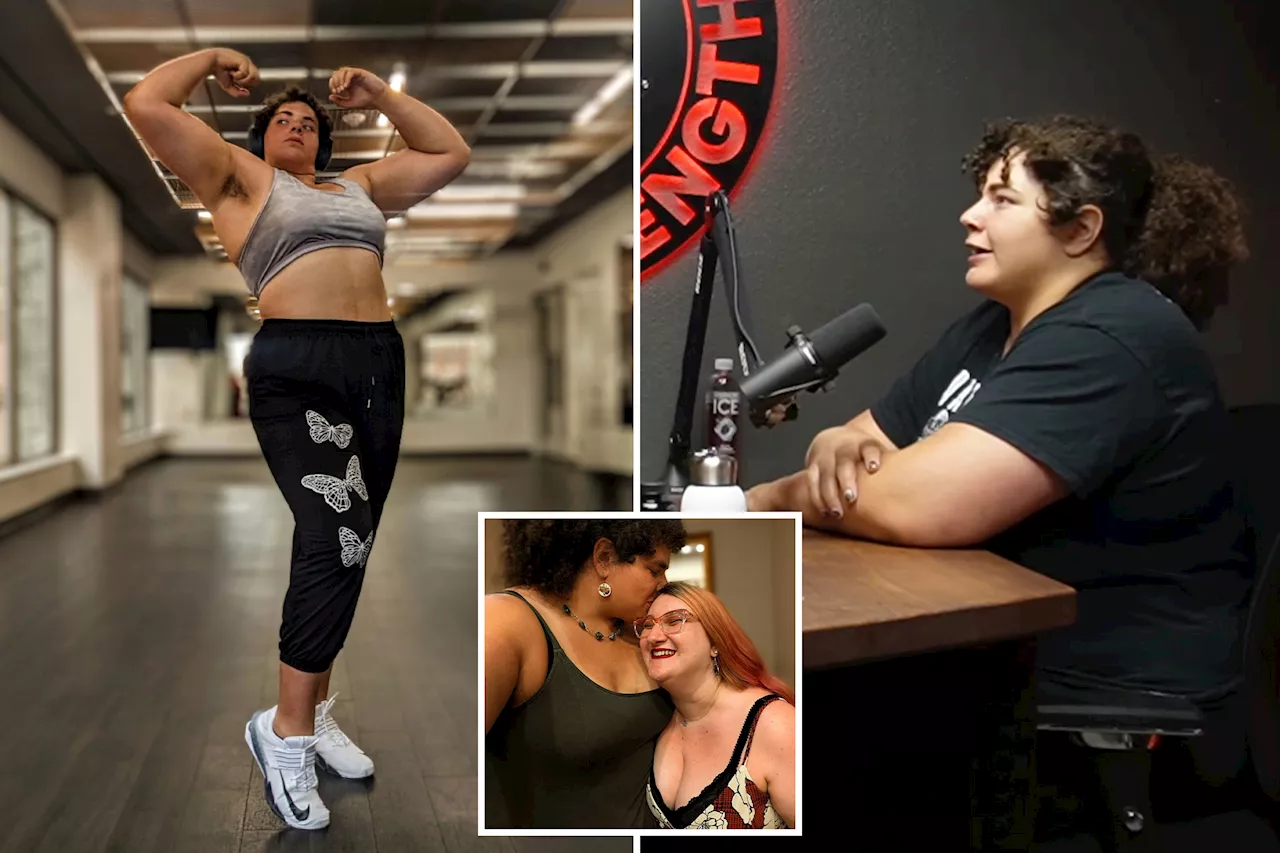
A major controversy has emerged in the world of competitive strength sports following the disqualification of Jammie Booker, crowned the “World’s Strongest Woman” at the event held in Arlington, Texas, earlier this month. The title was rescinded on July 7, 2025, after it was revealed that Booker was assigned male at birth. This shocking discovery prompted the organizers to take immediate action, leading to the elevation of Andrea Thompson, the original runner-up, to first place.
The decision to strip Booker of her title followed the circulation of explicit images and videos that reportedly confirmed her transgender status. Fellow competitors expressed their disbelief, stating that they only learned of the situation early on July 8, when they received disturbing messages containing the material in question. Thompson recounted the moment, saying, “It was coming from an adult entertainment website, and the content obviously raised questions about her gender.”
In the wake of the incident, the Official Strongwoman Games released a statement clarifying their policy regarding athlete eligibility. The organization emphasized that only athletes who are biologically female can compete in the Women’s Open category. The statement indicated that an athlete who is biologically male and now identifies as female had participated in the event, violating the established rules.
Booker, who gained attention not just for her strength but also for her candid discussions about personal relationships, had previously appeared on a podcast where she discussed balancing her training with multiple romantic partners. During the interview, she mentioned using Google calendars to manage her time effectively. “I take each one of my partners on a date once a week,” she noted, emphasizing the importance of prioritizing her relationships alongside her rigorous training schedule.
The fallout from this incident has sparked a broader conversation about the inclusion of transgender athletes in women’s sports. Critics have voiced concerns regarding fairness and the physical advantages that may arise from biological differences. The situation has led to calls for clearer guidelines and regulations surrounding the participation of transgender individuals in competitive sports.
Thompson, now recognized as the official champion, expressed her shock at the revelations and the subsequent actions taken by the organizers. The community of competitors has been left reeling, uncertain about the implications for future events and the ongoing debate over gender identity in sports.
As the discussions continue, the implications of this incident are likely to resonate within the sports community and beyond, highlighting the complexities and challenges surrounding inclusivity and fairness in athletics. The situation serves as a reminder of the evolving landscape of competitive sports and the need for ongoing dialogue about these critical issues.