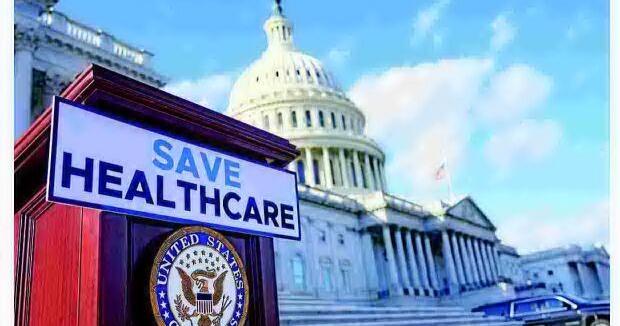
A recent health care proposal introduced by the White House is exposing longstanding divisions within the Republican Party. The plan aims to reform health care, but it has rekindled the internal conflicts that have plagued the GOP for over a decade, particularly surrounding the future of the Affordable Care Act (ACA).
The discussions among Republican lawmakers reflect a recurring theme as the party grapples with how to approach health care reform. With the ACA still a polarizing issue, some members are advocating for its repeal, while others seek to build on its framework. The challenge lies in finding a unified approach that satisfies the differing factions within the party.
Historical Context of Republican Health Care Efforts
For the past 15 years, Republicans have attempted to dismantle or significantly reform the ACA, often facing resistance not only from Democrats but also from within their own ranks. The ACA introduced key provisions such as coverage for pre-existing conditions and expanded Medicaid eligibility, which have garnered public support, complicating the GOP’s reform efforts.
In recent discussions, certain Republicans have voiced their concerns about the potential backlash from constituents if the proposal appears to threaten access to health care. Representative Liz Cheney of Wyoming emphasized the need for solutions that prioritize patient care, stating, “We cannot afford to ignore the needs of our constituents who rely on affordable health care.”
As Congress reconvenes, the debate over this new health care plan is expected to intensify, with party leaders aiming to present a cohesive strategy. However, the differing priorities among members, especially in an election year, could impede progress.
The Path Forward for the GOP
The Republican leadership is tasked with navigating these divisions while maintaining a clear stance on health care. Key figures, including House Speaker Kevin McCarthy, have committed to addressing the rising costs of health care and enhancing options for consumers. Yet, the approach remains contentious.
As discussions continue, the White House is keen on pushing its proposal through Congress, emphasizing the importance of bipartisan support. The administration argues that effective health care reform is essential not only for economic stability but also for the well-being of millions of Americans.
In conclusion, the ongoing debate reflects a critical moment for the Republican Party as it seeks to redefine its health care strategy. The outcome of this proposal could significantly influence party dynamics and voter sentiments leading into the next election cycle.