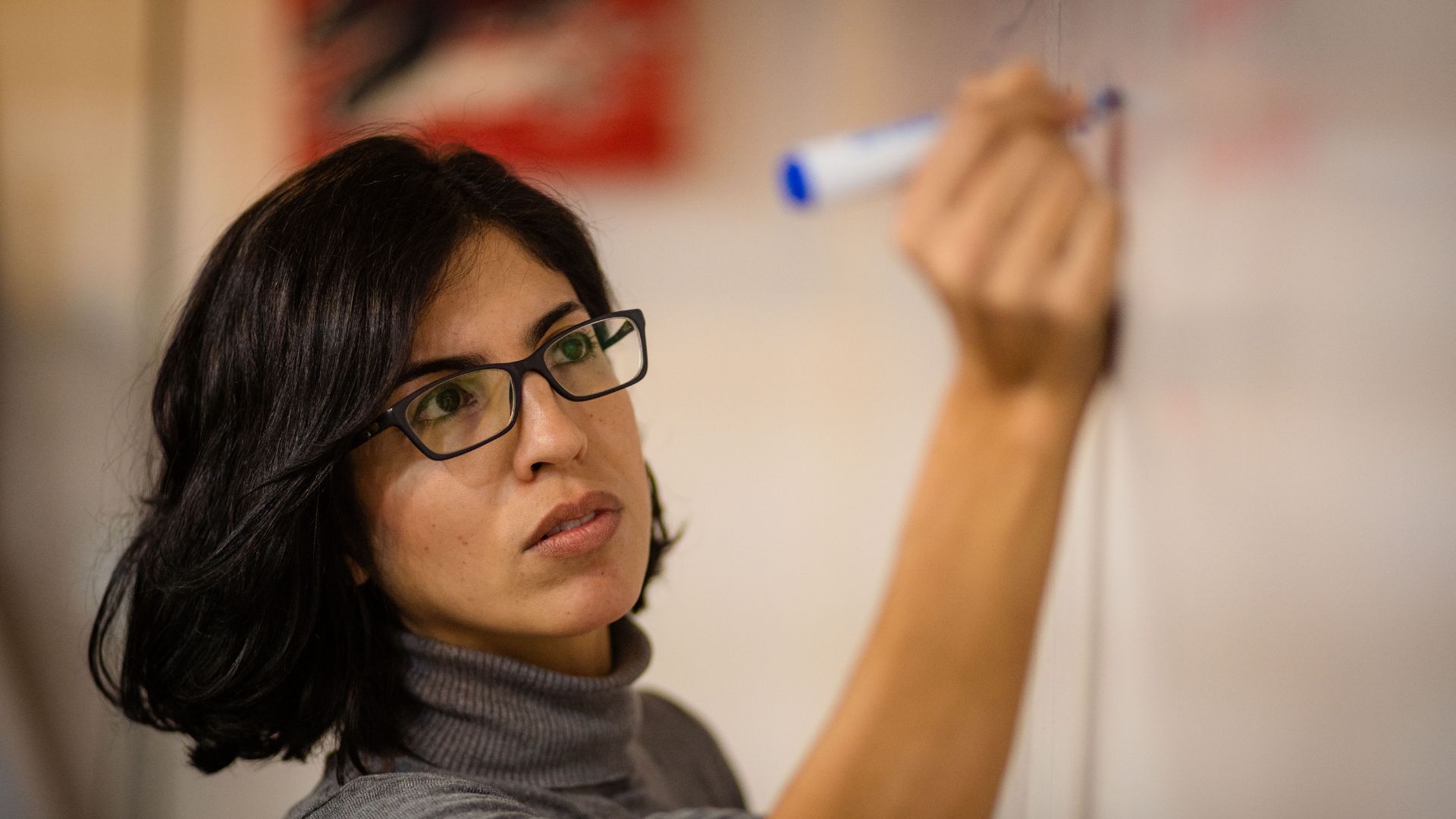
Award-winning Paraguayan journalist Jazmín Acuña has introduced the Change framework, a new paradigm aimed at addressing the challenges faced by the journalism industry. Acuña’s insights were developed during her time as a fellow at the Reuters Institute in Oxford, where she sought to redefine the role of journalism in contemporary society.
Acuña is recognized for her extensive work as a pioneering researcher and digital human rights advocate. She co-initiated Tedic, an organization focused on policy changes, and co-founded the digital media outlet El Surtidor, which has become a hallmark of innovation in journalism over the past decade.
Transforming Journalism through Intentionality
The Change framework emphasizes a shift from traditional content-centric journalism to a model that prioritizes intentionality and social impact. Acuña describes Change Journalism as an aspiration that seeks to enhance the lives of individuals through care-based reporting and community engagement.
“Publication is just the beginning, not the end goal,” Acuña highlighted. “Journalists don’t ‘hope for the best’ after findings are released; more efforts are required to ensure our journalism facilitates the changes people need.” This approach aims to create positive outcomes, such as shifts in public perception, community mobilization, and policy change.
Acuña’s framework distinguishes itself from Solutions Journalism, which primarily focuses on the content of stories. Instead, Change Journalism looks beyond storytelling to envision the potential impact of reporting, targeting specific audiences that can act on the information provided.
Insights from Global Practices
The development of the Change framework stems from Acuña’s decade-long experience at El Surtidor and her extensive discussions with global journalism colleagues. Her primary concern during her fellowship was to explore how to rebuild trust in journalism, leading her to question the very purpose of the profession today.
Acuña noted a surprising persistence of outdated mindsets from the pre-internet era, where journalism held a gatekeeping role over information. She expressed concern that many outlets still operate under the assumption that their existence is justified solely by their content’s intrinsic value.
While exploring contemporary practices, Acuña found that many organizations are attempting change-centric journalism but lack a coherent strategy or the language to articulate their efforts. “Craft is confused with mission,” she stated, urging journalists and newsrooms to clarify their contributions and recognize the potential value they offer.
Since its recent launch, the Change framework has not yet evolved significantly, but Acuña is collaborating with organizations such as the Pulitzer Center to test and customize the model in various contexts. This collaboration aims to foster more impactful journalism efforts worldwide.
Acuña also references successful initiatives from both the Global South and Western counterparts, highlighting projects like Documented in New York, which serves immigrant communities, and ProPublica, noted for its innovative impact tracking.
Through her ongoing work, Acuña aspires to equip journalists with the tools and language necessary to articulate their roles in fostering societal change. She invites others to subscribe to her newsletter for updates on the Change Journalism framework and to engage with her insights on platforms such as LinkedIn.