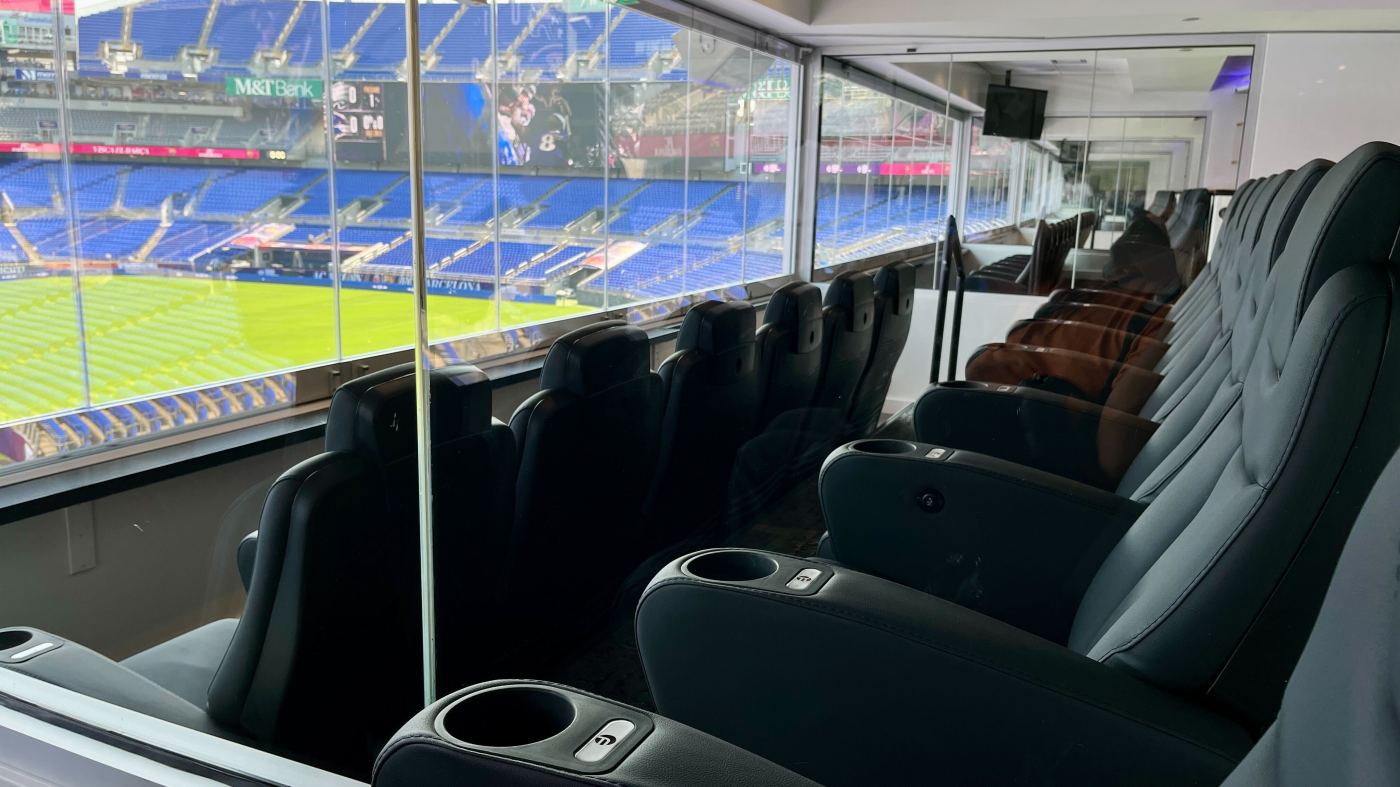
The state of Maryland is facing scrutiny over its substantial financial support for the Baltimore Ravens and the Baltimore Orioles, with recent discussions highlighting a staggering investment of over $1.2 billion aimed at enhancing stadium facilities. Questions are being raised about the overall return on investment for taxpayers, particularly in light of the significant funds allocated to improve amenities for premium customers.
Critics have pointed out that while the state is pouring resources into these sports franchises, vital community services are suffering. The Baltimore Sun recently reported the permanent closure of the Mimi DiPietro Skating Center in Patterson Park due to structural issues. The estimated cost to replace this beloved facility ranges from $5 million to $10 million, raising concerns about prioritization of funding in the state.
In a letter to the editor, Baltimore resident Bill Marker expressed his discontent with the state’s financial decisions, advocating for a more balanced approach to public spending. He argued that the money directed towards sports teams could instead enhance education, senior services, and infrastructure across the state.
Marker also referenced the potential rationale behind investing in the Ravens and Orioles, which is to prevent the loss of these teams to other markets. The fear of relocation echoes the historical departure of the Baltimore Colts to Indianapolis in 1984, a situation that still resonates with local sports fans.
To mitigate this risk, Marker suggested exercising the authority granted by the Baltimore City Charter, which allows the city to acquire the teams through purchase or condemnation. This power was originally established to protect Baltimore’s interests in professional sports.
The ongoing debate raises important questions about the balance of public funding, community needs, and the economic impact of professional sports in Maryland. As the state continues to navigate these complex issues, the voices of residents like Marker are increasingly crucial in shaping future policies.
With the prospect of further investments in sports continuing to dominate discussions, the challenge remains to ensure that the broader needs of Maryland’s communities are not overshadowed by the allure of high-profile franchises.