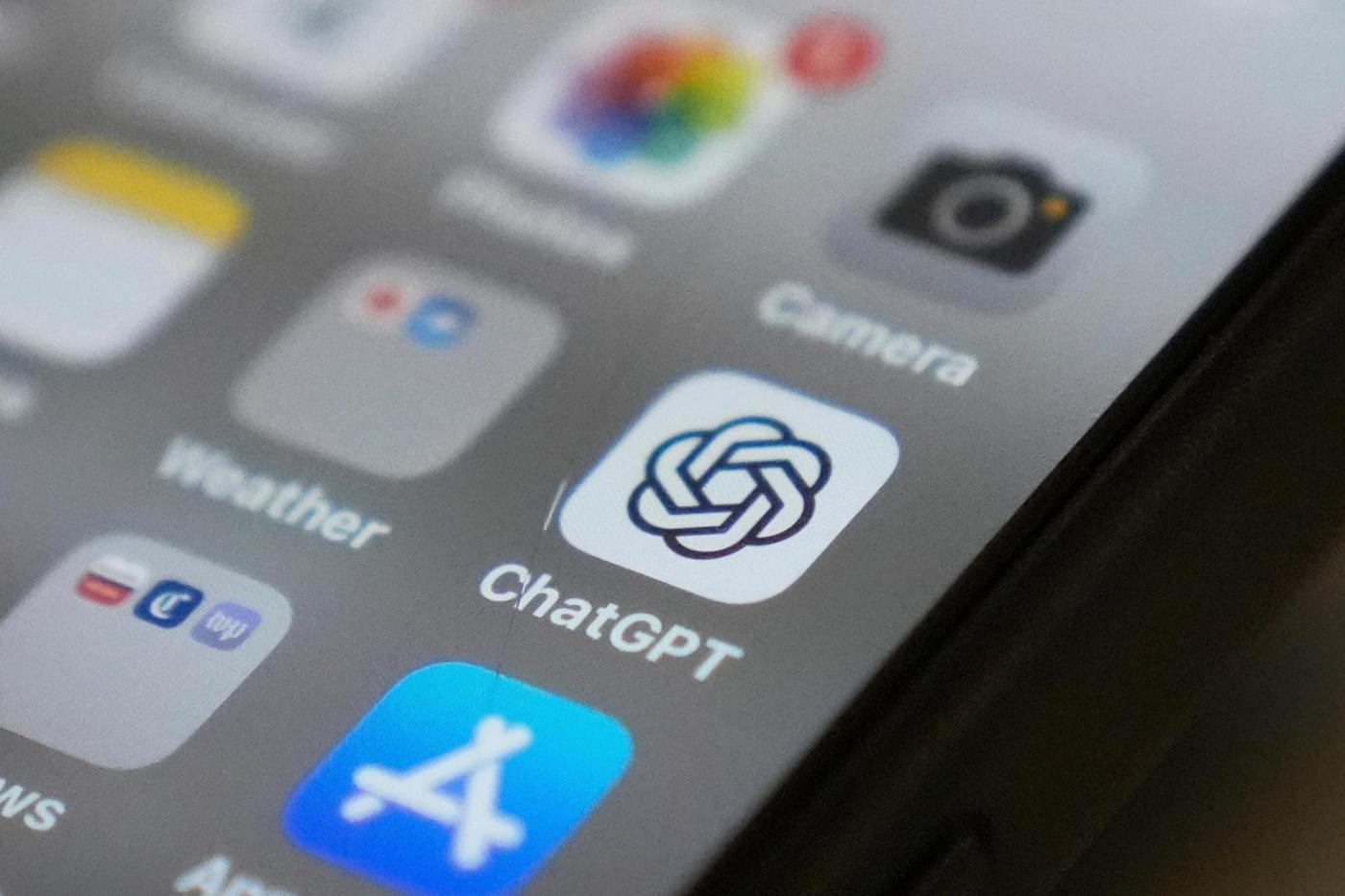
ChatGPT is celebrating its third anniversary this weekend, marking a significant milestone in the evolution of artificial intelligence. While AI technology has existed for decades, experts assert that the introduction of ChatGPT has initiated a transformative period for the field. According to Anton Dahbura, an AI expert and co-director of the Johns Hopkins Institute for Assured Autonomy, the chatbot has expanded its capabilities since its launch on November 30, 2022, becoming more sophisticated while still presenting challenges.
Dahbura noted that ChatGPT’s ability to generate responses has improved, but users must remain vigilant. The technology can produce inaccuracies, sometimes presenting false information with a convincing tone. He shared a personal experience where ChatGPT fabricated a middle initial for his signature, illustrating the potential reliability issues. “For some reason, it signed the letter Anton J. Dahbura. That’s not my middle initial,” he remarked, highlighting a seemingly minor but indicative flaw.
Such reliability challenges can have serious implications. Dahbura pointed out instances where legal professionals have encountered problems due to inaccurate legal briefings generated by ChatGPT. Deborah Lee, a professor and director of research impact and AI strategy at Mississippi State University Libraries, advised against relying solely on ChatGPT for critical decisions. She explained, “If I’m trying to decide whether to stay on a medication or not, that’s not the place to get that information. It’s not a substitute for having a meaningful conversation with my doctor.”
ChatGPT’s Rapid Growth and Integration
Since its launch, ChatGPT has revolutionized how individuals search for information online. Lee emphasized that within months of its introduction, the platform attracted 100 million weekly users. Today, that figure has skyrocketed to 800 million active weekly users, with nearly a third of American adults having utilized the service. The Pew Research Center reported that approximately 60% of adults under 30 have engaged with ChatGPT, underscoring its widespread appeal.
As ChatGPT becomes increasingly integrated into various applications, experts predict a shift in user engagement. Lee stated, “As that continues, it won’t be a matter of whether or not you use generative AI, but it’s going to be a matter of how much are you using it.” The latest iteration, GPT-5, exemplifies this trend, with ChatGPT expanding into browser functionalities.
Dahbura attributed the rapid advancement of generative AI to complementary technologies, particularly those developed by Nvidia, which have enhanced AI’s capabilities. He acknowledged that while ChatGPT offers numerous opportunities for positive impact, it also raises concerns regarding its potential misuse. “It’s opened up a box of opportunities and a Pandora’s box simultaneously,” he stated, affirming that the overall impact has been more beneficial than detrimental.
The Call for Oversight in AI Development
As AI technology continues to evolve, Dahbura emphasized the necessity for oversight within the industry. He argued that monitoring and regulation will be crucial to maximizing the benefits of generative AI while minimizing its risks. This sentiment resonates with the broader discourse on the ethical implications of AI, as stakeholders seek to navigate the complexities of this rapidly changing landscape.
The third anniversary of ChatGPT serves as a reminder of both the potential and challenges of AI technology. As it continues to shape information access and decision-making processes, the importance of critical engagement with these tools cannot be overstated. For many, ChatGPT has transformed into an invaluable resource, yet reliance on its outputs must be tempered with caution and informed judgment.