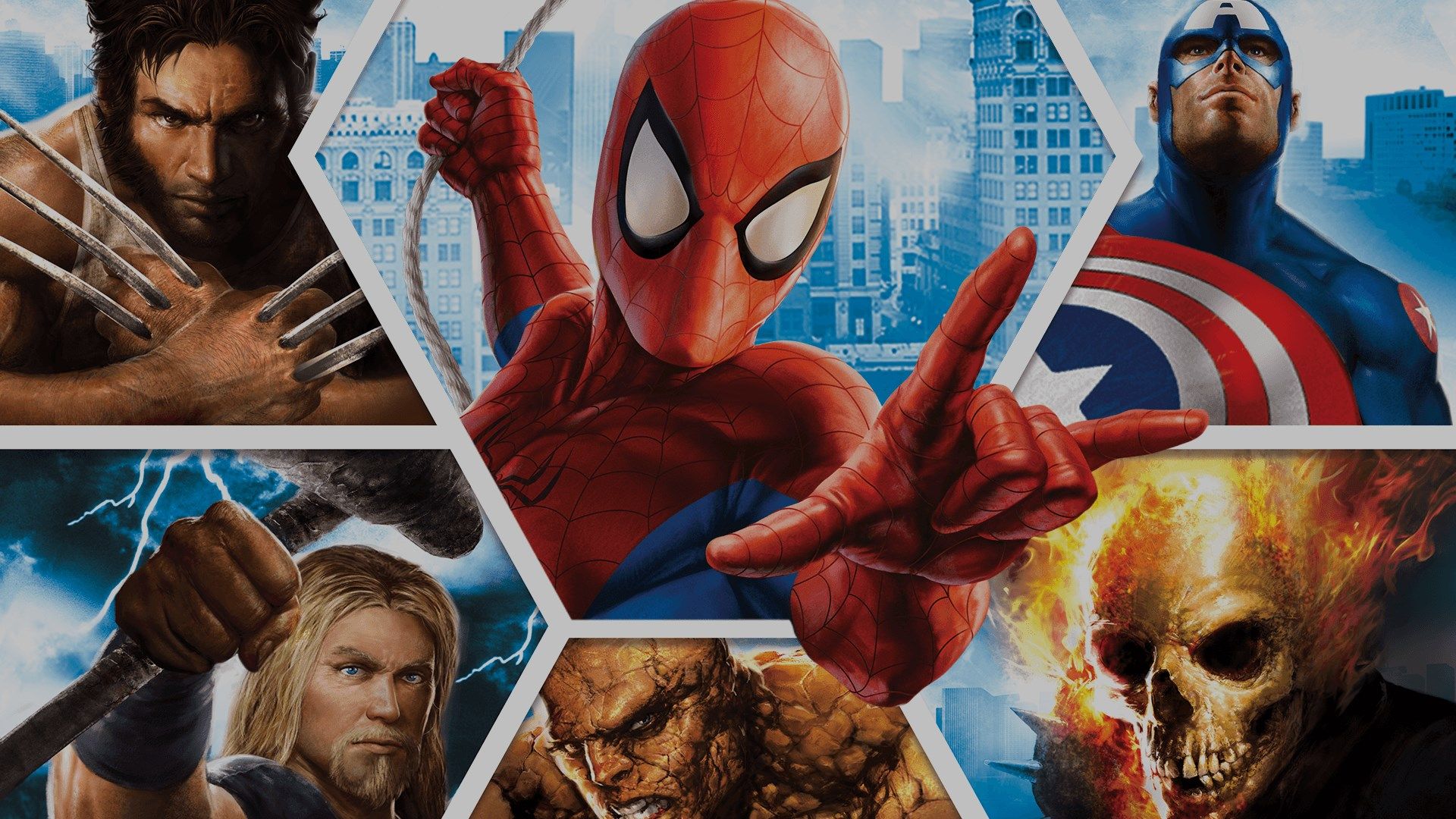
Marvel Ultimate Alliance, released in 2006, has remained a significant title within the realm of superhero video games, particularly those based on the Marvel Comics universe. Celebrating its 19th anniversary, this action role-playing game has often been viewed as a foundational release that shaped subsequent superhero games. As new titles based on the Marvel brand emerge, such as Marvel Cosmic Invasion, it’s essential to reflect on the impact and legacy of this classic.
The game brings together an impressive array of characters from across the Marvel spectrum, featuring heroes from iconic teams like The X-Men, The Fantastic Four, and The Avengers. Players can engage with both well-known and obscure characters, offering a comprehensive experience that appeals to a wide audience. The depth of character inclusion in Marvel Ultimate Alliance distinguishes it from other games, such as Capcom’s Marvel vs. Capcom series, which also showcases numerous characters but may not provide the same level of detail and interaction.
The Gameplay Experience and Mechanics
As an action-RPG, Marvel Ultimate Alliance is designed to be accessible while offering layers of complexity. Players can easily dive into the game but will find depth in character development and team dynamics. As heroes level up, they gain unique powers, stat bonuses, and perks. Strategic team composition can significantly influence gameplay; for instance, pairing members of The Avengers can provide bonuses during missions, enhancing the overall experience.
The game also features a variety of costumes for each character, allowing players to customize their heroes while providing additional stat boosts. This customization fosters a personal connection to the characters, enabling players to tailor their gaming experience to their preferences. Although some may find the repetitive nature of combat and exploration a drawback, the engaging mechanics and iconic Marvel visuals create an enjoyable experience reminiscent of classic games like Diablo.
Fan Service and Comic Lore
The depth of fan service in Marvel Ultimate Alliance is particularly noteworthy. With a history dating back to 1939, Marvel Comics provides a rich tapestry of lore that the game leverages effectively. The locations, enemies, and character interactions are designed to resonate with long-time fans, featuring references and details that reflect the broader Marvel narrative.
For those who are well-versed in Marvel’s extensive history, the game offers a treasure trove of Easter eggs and nods to lesser-known stories. This level of detail sets it apart from other superhero games, which may only touch on surface-level references. The inclusion of a trivia console allows players to explore the comic lore in depth, enhancing their overall experience and appreciation for the Marvel universe.
The influence of Marvel Ultimate Alliance is evident in later superhero games, including the Batman Arkham series and Marvel’s Spider-Man from Insomniac Games. These titles have adopted similar approaches to character development and fan engagement, yet few have matched the scale and reverence demonstrated in this 2006 classic.
As the gaming landscape continues to evolve, it’s crucial to recognize the significance of Marvel Ultimate Alliance in shaping the superhero genre. While modern games often strive to capture the essence of beloved characters, this title laid the groundwork for what a comprehensive superhero experience could be. Reflecting on its legacy, it becomes clear that many players may have taken its contributions for granted at the time of its release.
In conclusion, Marvel Ultimate Alliance stands as one of the best superhero games of all time. Its combination of character variety, engaging gameplay, and deep respect for Marvel lore has left an indelible mark on the genre. As new games emerge, the influence of this classic title remains evident, ensuring its place in the hearts of fans for years to come.