A recent study reveals significant insights into the relationship between muscle mass, visceral fat, and brain health. Conducted with the participation of 1,164 adults, researchers utilized full-body MRI scans and artificial intelligence to explore whether physical fitness indicators correlate with the biological age of the brain. The findings suggest that a higher muscle mass and lower levels of deep abdominal fat are associated with a younger-looking brain, indicating that physical strength may contribute to cognitive vitality.
Presented at the upcoming annual meeting of the Radiological Society of North America in early December 2023, the study highlights the importance of body composition in brain aging. Researchers found that individuals with increased muscle mass exhibited brains that appeared biologically younger. Conversely, those with a higher ratio of visceral fat—fat stored in the abdominal cavity—tended to show signs of aging in their brain structure. Interestingly, subcutaneous fat, which is stored beneath the skin, did not demonstrate a significant link to brain aging.
Senior study author Cyrus Raji, M.D., Ph.D., emphasized the implications of these findings, stating, “Healthier bodies with more muscle mass and less hidden belly fat are more likely to have healthier, youthful brains.” This underscores the potential benefits of maintaining an optimal balance between muscle and visceral fat, which may contribute to lowering the risk of neurodegenerative conditions such as Alzheimer’s disease.
Practical Steps to Improve Health
To translate these findings into actionable advice, fitness expert Josh Schlottman offers three key strategies for individuals looking to enhance their muscle strength and reduce visceral fat. These approaches are designed to be accessible and effective for various fitness levels.
1. **Incorporate Interval Sprinting**
Schlottman advocates for interval sprinting as a high-intensity interval training (HIIT) method that efficiently targets visceral fat. He notes, “Interval sprinting is the most effective form of exercise for getting rid of deep visceral fat. With HIIT, you also build more muscle mass in less time than traditional exercise.” For those new to running, the “Jeffing technique”—alternating between running and walking—provides a gentler introduction to increasing speed and endurance.
2. **Combine Strength Training with HIIT Circuits**
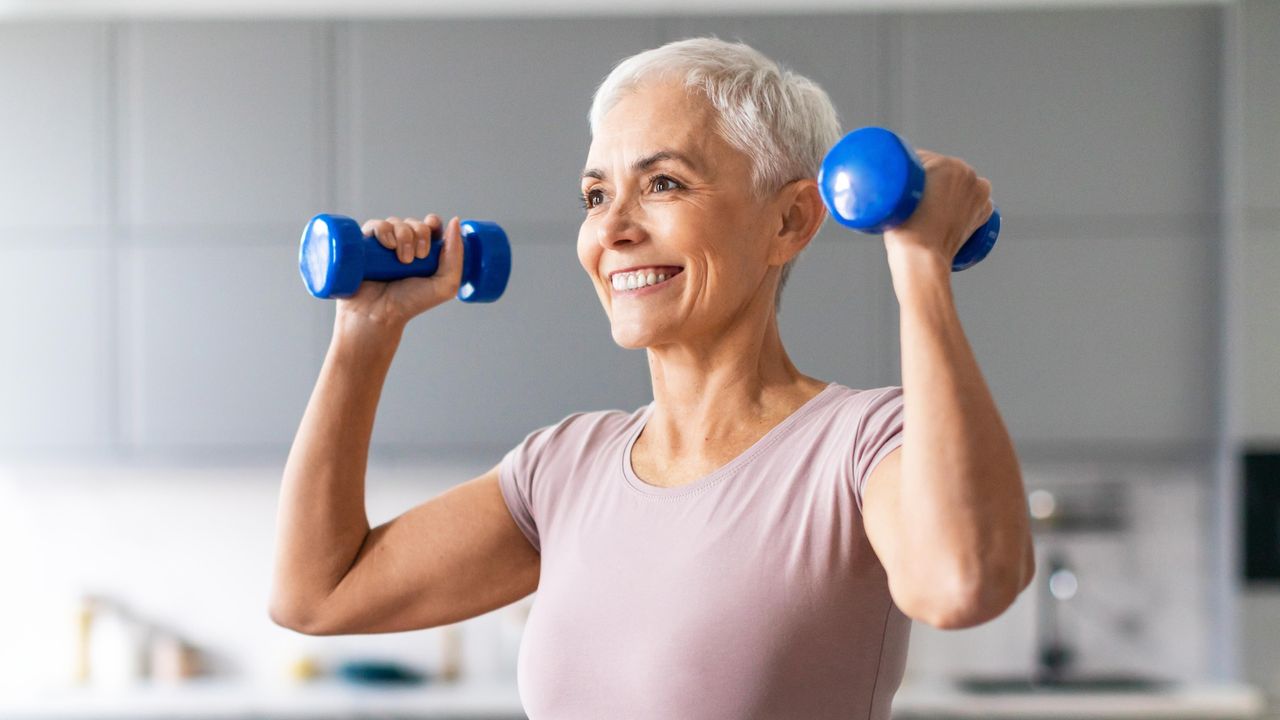
Schlottman recommends integrating compound exercises such as squats, lunges, push-ups, and pull-ups into a circuit format. “High-intensity resistance training like this builds muscle while at the same time burning calories and fat faster than weight lifting alone,” he explains. This combination promotes both strength and cardiovascular fitness, enhancing overall health.
3. **Focus on Nutrition**
Nutrition plays a pivotal role in supporting muscle growth and overall health. Schlottman stresses the importance of adequate protein intake, stating, “Protein is needed to build muscle, keeps you feeling full, and raises your metabolism.” He also advises incorporating fiber-rich foods such as spinach, broccoli, cauliflower, and beets, which aid in satiety and prevent overeating.
As more research sheds light on the connection between physical health and cognitive function, adopting these strategies may not only enhance physical appearance but also contribute to a healthier brain. By embracing a lifestyle that prioritizes muscle development and healthy fat levels, individuals can work towards maintaining cognitive vitality as they age.