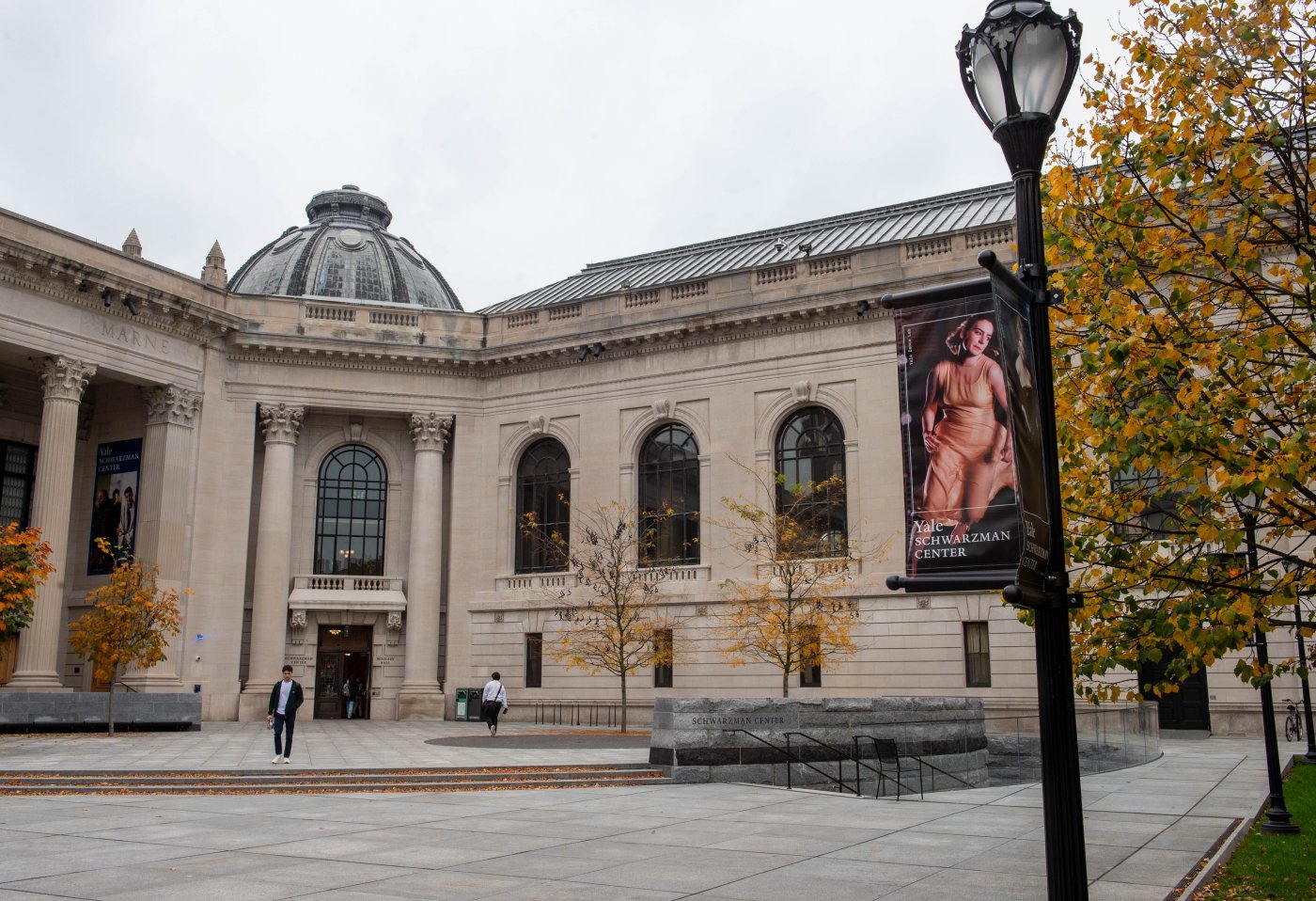
UPDATE: Major funding cuts are hitting research initiatives at Connecticut universities, with Yale University and the University of Connecticut (UConn) losing tens of millions in federal grants, severely impacting critical studies on diseases like malaria. Yale’s Amy Bei faced a devastating blow when her $300,000 grant from the National Institutes of Health (NIH) was cancelled, forcing her to halt vital research on tracking malaria spread just as she was completing the initial phase.
The urgent cancellations are part of a larger trend, with UConn reporting a staggering $41 million in lost funding as of mid-October. Lindsay DiStefano, UConn’s interim vice president for research, confirmed the severe impact these cuts have on scientific progress. “The loss of federal funding has delayed, halted, and put at risk research essential to advancing life-saving medical breakthroughs,” stated Michael Crair, Yale’s vice provost for research.
The ramifications are dire. While Bei has received temporary funding from Tito’s Handmade Vodka to continue some research, the broader consequences of halted projects can be felt worldwide. Senatorial reports indicate that Senegal alone saw approximately 1.2 million cases of malaria in 2023, underlining the desperate need for ongoing research.
Research efforts in Chad, where Bei has been working to enhance local laboratories, have also been stymied. A stop-work order from the U.S. government has delayed critical training for local researchers. “We were planning to travel this past February, but funding challenges postponed our trip,” explained Ph.D. student Natasha Turyasingura. Now, with new funding secured, the team aims to travel to Chad in December.
The urgency of malaria research is underscored by the parasitic nature of the disease, which displays genetic variations that complicate efforts to develop effective vaccines. Bei emphasizes that while progress has been made, malaria continues to evolve and evade existing medical interventions. “We have areas where transmission is still happening under the radar,” she noted, illustrating the pressing need for innovative solutions.
Despite the setbacks, Bei is determined to continue her work. Efforts to develop next-generation malaria vaccines are underway, and the collaboration with the Institut Pasteur de Dakar in Senegal aims to create a broader understanding of malaria transmission patterns. “We are looking at the antibodies produced by people who are immune to the disease,” said postdoctoral fellow Laty Gaye Thiam, who is collaborating with Bei on this mission.
This funding crisis not only jeopardizes scientific discovery but also threatens the well-being of communities affected by malaria. The emotional toll is palpable, with researchers like Cyrianne Keutcha recalling personal experiences with the disease. “Malaria is a devastating illness that impacts families and children severely,” she explained.
As the situation develops, the scientific community and public health advocates are urging immediate action to restore funding for vital research. The loss of these grants is more than a financial setback—it represents a significant barrier to advancing health solutions for one of the world’s most pressing health crises.
Stay tuned as we continue to cover the fallout from these funding cuts and the ongoing efforts to combat malaria.