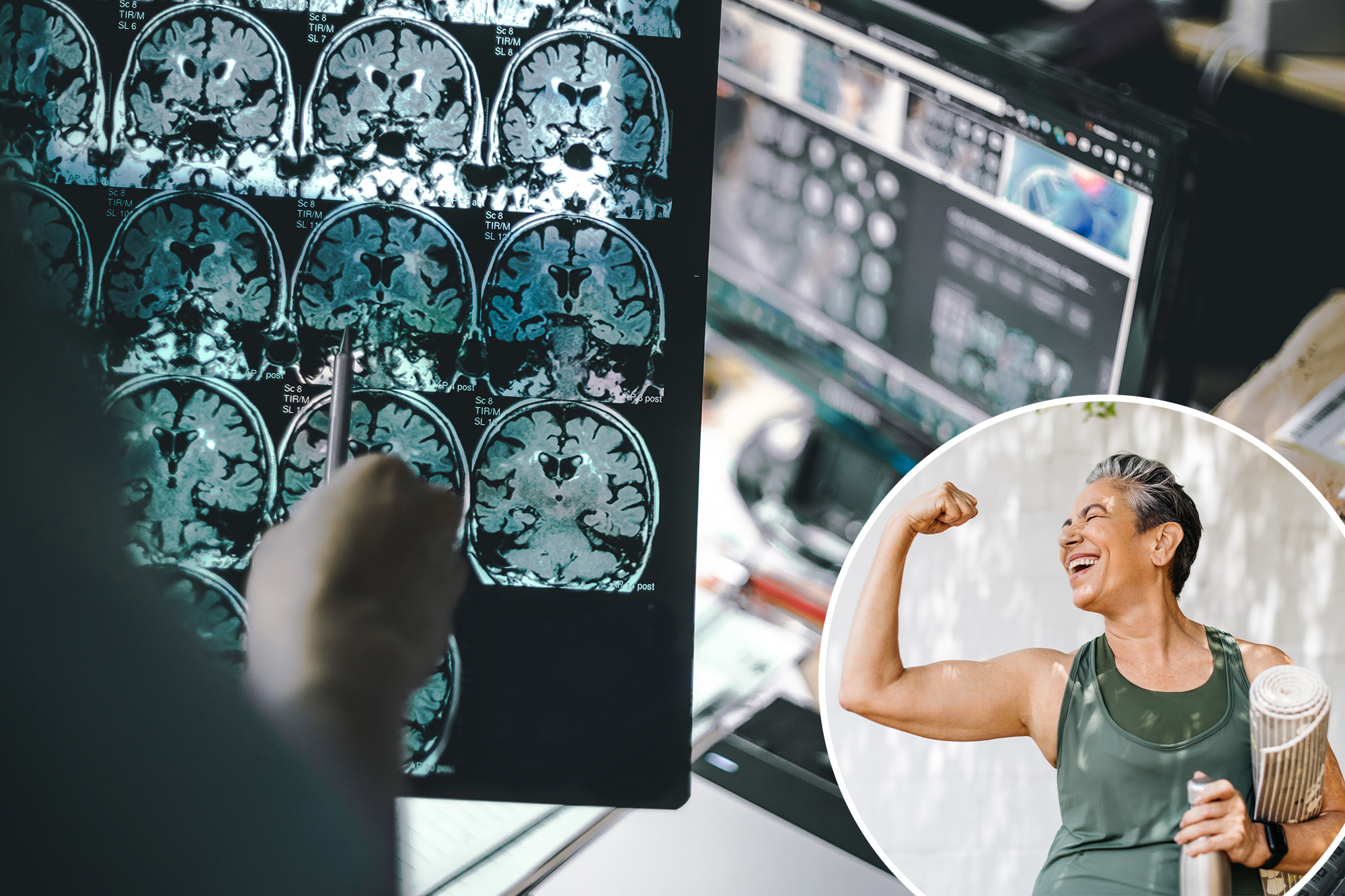
Recent research highlights the significant relationship between body composition and brain health, suggesting that maintaining a healthy muscle-to-fat ratio could play a crucial role in reducing the risk of cognitive decline and diseases like Alzheimer’s. A study led by Dr. Cyrus Raji, a neuroimaging scientist, involved the evaluation of 1,164 healthy adults with an average age of 55, utilizing advanced whole-body MRI scans to assess their body composition and estimate their “brain age.”
The study’s findings indicate that a younger biological brain age correlates with a higher muscle mass and lower levels of visceral fat, which is the fat located deep within the abdomen. “Better brain health, in turn, lowers the risk for future brain diseases, such as Alzheimer’s,” Dr. Raji stated. This research provides insight into how physical health can directly affect cognitive function, potentially aiding in early detection of cognitive decline.
Understanding the Impact of Body Composition
In the study, researchers utilized artificial intelligence to analyze the MRI data and measure each participant’s muscle and fat volume. A brain that appears biologically older than a person’s actual age may indicate accelerated aging, whereas a younger-looking brain suggests healthier cognitive function. Dr. Raji explained that the balance between muscle and hidden belly fat significantly influenced perceived brain age. He noted, “The participants with more muscle tended to have younger-looking brains, while those with more hidden belly fat relative to their muscle had older-looking brains.”
Interestingly, the study found that subcutaneous fat, which lies just beneath the skin, did not show a significant relationship with brain aging. This distinction highlights the importance of targeting visceral fat for improved brain health.
Implications for Future Treatments
The implications of these findings extend beyond mere observation. Dr. Raji emphasized that improving muscle mass and reducing visceral fat can be a realistic goal for individuals aiming to support their brain health. He remarked, “This research has validated widely held hypotheses about the association between body composition biomarkers and brain health.” The study lays a foundation for including these biomarkers in future trials of metabolic interventions and treatments.
One area of interest is the use of GLP-1 medications, such as Ozempic and Wegovy, which are commonly prescribed for managing type 2 diabetes and obesity. These drugs work by mimicking hormones in the body that regulate blood sugar and appetite. Patients using GLP-1s can experience weight loss of between 15% to 25%, but concerns have emerged regarding the potential loss of lean muscle mass, which could negatively affect the muscle-to-visceral-fat ratio.
Dr. Raji suggested that future developments in GLP-1 medications should focus on targeting visceral fat while preserving muscle mass. “Losing fat — especially visceral fat — while preserving muscle volume would have the best benefit on brain aging and brain health,” he stated.
By promoting research that quantifies MRI data on body fat, muscle, and brain age, the study could influence the optimal dosing regimens for GLP-1s, ultimately improving outcomes for both physical and cognitive health. This research serves as a reminder of the interconnectedness of body composition and brain health, highlighting that proactive measures can lead to healthier aging.