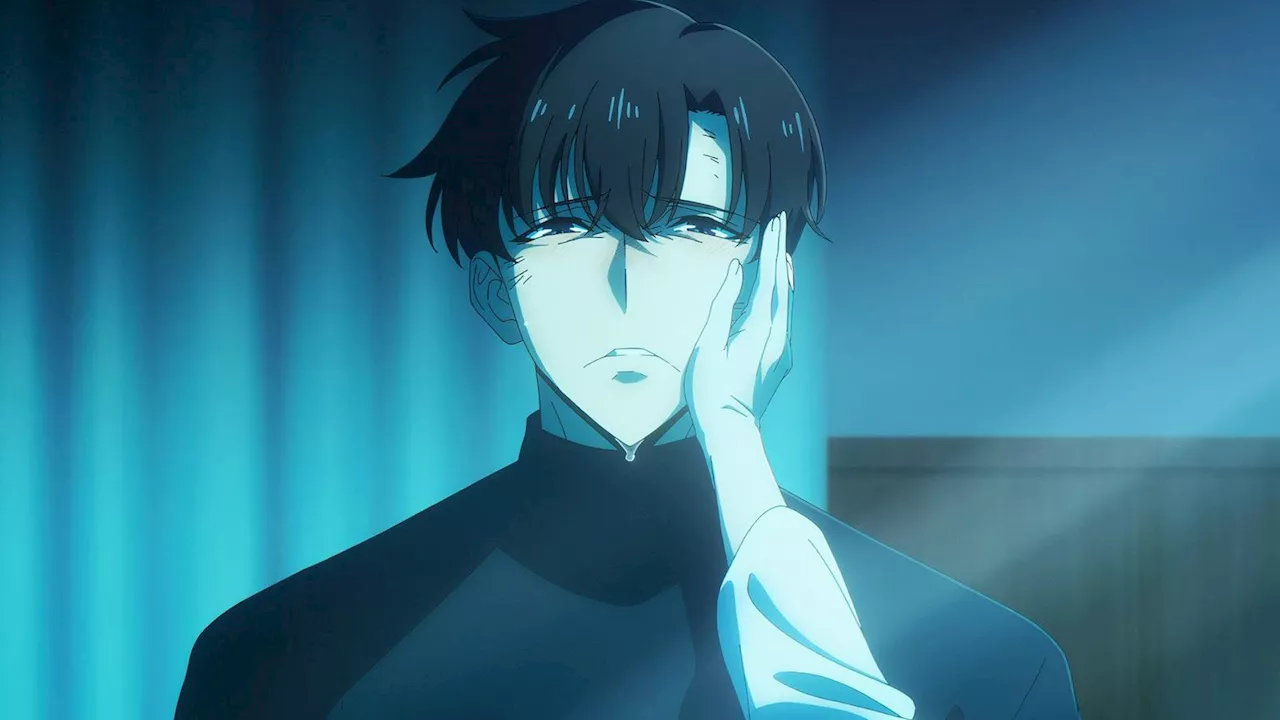
In just two seasons, the anime series Solo Leveling has become a phenomenon, captivating audiences worldwide and establishing itself as essential viewing for anime enthusiasts, especially fans of the shōnen genre. Its straightforward narrative, featuring the only Hunter capable of growing stronger, Sung Jinwoo, has resonated with viewers. However, as the series continues, the very simplicity that has propelled its success may also pose challenges.
### The Rise of Solo Leveling
Within a short period, Solo Leveling has dominated anime charts, breaking records on platforms like Crunchyroll and cultivating a massive fanbase eagerly awaiting a third season. The character of Sung Jinwoo stands out as the quintessential protagonist—dark, brooding, and powerful—demonstrating that edgy anime can be compelling. The series effectively delivers a power fantasy that resonates with viewers, setting it apart in a crowded landscape.
The inaugural season deftly established the groundwork for what was to follow. The first episode, marked by intense action, immediately communicated the series’ tone and direction. This momentum carried through to one of the most acclaimed arcs: the journey to Jeju Island, where Jinwoo and the elite Korean S-Rank Hunters faced formidable challenges.
### Jeju Island: The Pinnacle of the Series
The Jeju Island arc represents a high point for Solo Leveling, showcasing the series’ strengths. It feels as if all previous events were leading to this climactic moment, where the introduction of the Ant King, a notably vicious antagonist, raised the stakes considerably. The animation studio, A-1 Pictures, excelled in depicting this formidable villain, who initially appeared to overshadow even Japan’s strongest Hunters.
Jinwoo’s entrance on Jeju Island is often hailed as one of the most memorable moments in the series. The dramatic shift in the battle’s dynamics, coupled with the reactions of key characters, created a scene that many fans regard as iconic. This pivotal moment solidified Jinwoo’s status as a hero, yet it also raises concerns about the series’ trajectory moving forward.
### Navigating Future Challenges
As Solo Leveling moves beyond the Jeju Island arc, it faces a unique challenge. The formula that has worked so well—Jinwoo’s continual growth as he confronts seemingly insurmountable foes—may begin to feel repetitive. While this straightforward structure has captivated audiences thus far, the question remains: can it sustain momentum without becoming predictable?
The series has animated roughly half of the original manhwa, indicating that there may be two more seasons ahead if A-1 Pictures maintains its current pace. Within those upcoming seasons lie some of the franchise’s most anticipated arcs, but none are likely to surpass the impact of Jeju Island. As the narrative progresses, Solo Leveling will grapple with the expectation of recreating its earlier magic.
### Expectations and Hype
The immense success of the first two seasons creates high expectations for the forthcoming third season. Viewers are not only looking for quality but also for the same exhilarating feeling that characterized the initial episodes. This pressure could lead to a disconnection between audience expectations and the series’ ability to deliver.
Rumors suggest that the team may consider a film adaptation instead of a direct continuation into a third season. Regardless of the medium, Solo Leveling has undeniably cemented its place in anime history. With its first two seasons already regarded as top-tier entertainment, the challenge remains for the creators to meet or exceed the lofty standards they have set.
In conclusion, while Solo Leveling has already established itself as a classic, the journey ahead is fraught with challenges. Whether it can maintain its momentum and continue to captivate its audience remains to be seen, but the impact of its initial seasons is undeniable.