Passengers aboard a Delta Air Lines flight from Shanghai to Detroit experienced an unexpected stop in Tokyo on November 28, 2019, due to a hydraulic issue with the Airbus A350-900. The captain declared an emergency landing shortly after the aircraft was approximately 140 nautical miles (259 km) from Tokyo, prompting the closure of the runway at Tokyo Haneda Airport (HND) for about 30 minutes.
The flight, designated as Delta Flight 388, had departed from Shanghai Pudong International Airport (PVG) at 17:46 local time. As the plane approached Japan, crew members identified a hydraulic system problem. In a precautionary measure, they decided to divert to the nearest major airport, landing safely on Runway 34R at Haneda approximately 30 minutes later. Emergency services were on standby as the aircraft touched down, ensuring passenger safety during the landing.
Delta Air Lines addressed the situation in a statement from a spokesperson: “On November 28, the crew of Delta Flight 388 followed procedures to divert to Tokyo-Haneda after reporting a mechanical issue while en route from Shanghai to Detroit. The aircraft landed safely, and we apologize to our customers for the delay in their travel plans. Nothing is more important than the safety of our customers and crew.”
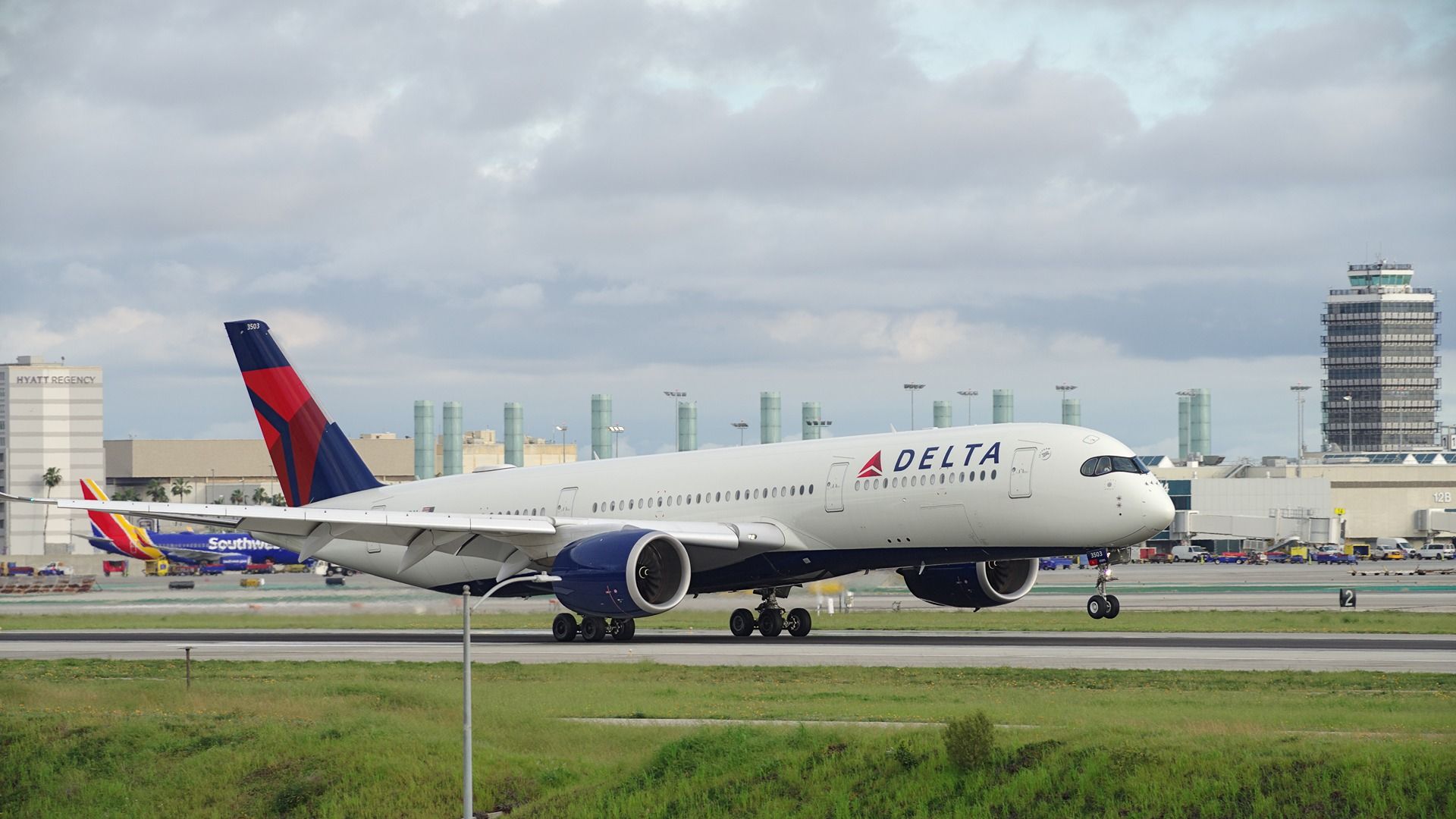
The A350-900, registered as N512DN, remained on the apron overnight before being repositioned to Seattle-Tacoma International Airport (SEA) on November 29. It departed Haneda at 23:14, arriving in Seattle at 14:26 the following day. Delta subsequently added a corresponding service to Detroit, which landed at 23:02 on the same day. The aircraft has since returned to regular operations, flying from Detroit to Seoul and scheduled to operate a flight from Seoul to Atlanta on December 1.
Technical Details of the Airbus A350-900
The aircraft involved in the incident, N512DN, is an Airbus A350-941, delivered to Delta on January 26, 2019. It features a three-class layout, accommodating 32 Business, 48 Premium Economy, and 226 Economy class seats. The aircraft is powered by two Rolls-Royce Trent XWB-84 engines, making it one of 38 A350-900s in Delta’s fleet, with an additional six on order.
Hydraulic issues such as the one experienced on this flight are rare. They can lead to uncommanded movements of flight surfaces, prompting airlines to adopt a cautious approach to ensure safety. This incident underscores the importance of prompt action and adherence to safety protocols in aviation.
In summary, Delta Flight 388’s diversion to Tokyo highlights the airline’s commitment to passenger safety. Although passengers faced an unexpected delay, the crew’s swift response ensured a safe outcome for all involved.