BREAKING: Delaware’s foster care crisis intensifies as 470 children currently await placement, with teenagers facing the longest waits for stable homes. In a critical announcement, officials revealed that many young people age out of the system without ever finding a permanent family.
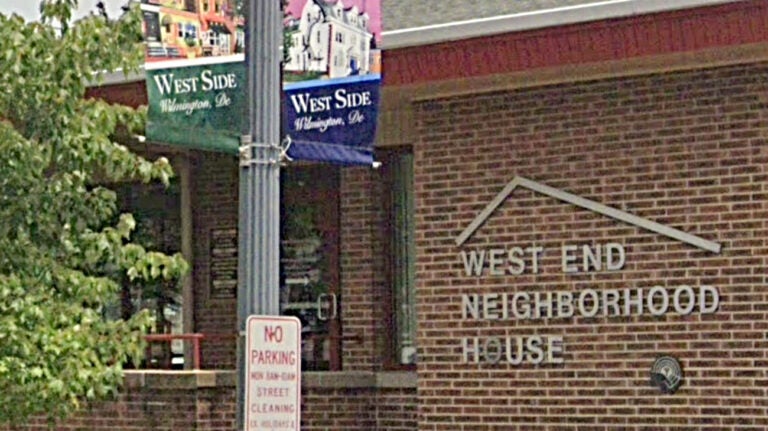
On December 2, WHYY will host a Foster Care Resource Fair at West End Neighborhood House in Wilmington, aiming to address these urgent needs. The state’s foster care system is under severe strain, particularly in Sussex County, where the search for available homes has become increasingly challenging.
In Delaware, the demographics of the children in foster care reflect the state’s diversity, including four Asian children, 39 Hispanic children, 168 white children, and 298 Black children. Each child faces unique challenges, and their experiences often depend on the nature of their placement.
Trenee Parker, director of the Division of Family Services, emphasized that the current situation requires not just more homes but very specific types of placements. “The greatest need is for families willing to take in teenagers and sibling groups,” she stated. This is particularly crucial as many teens have endured significant trauma prior to entering the foster care system.
As the pressure mounts, the state’s agencies are working tirelessly to recruit more foster families. Parker noted that the shortage of homes is especially acute for teenagers, who often face additional hurdles in finding suitable placements. “We need families who can provide stability and support for older youth,” she said.
Sussex County has been identified as a critical area due to its geographical and cultural challenges. The distance between available homes and children can hinder their ability to remain connected to their schools, communities, and routines.
West End Neighborhood House is taking proactive measures by launching Sussex County’s first supportive housing program for youth aging out of the system. This initiative aims to provide vital support and resources to help these young adults transition smoothly into independence.
Partner agencies like Nemours Children’s Hospital and Children & Families First are also stepping up to bridge the gaps. They report a severe disparity between the number of children needing care and available foster families, particularly for teens, where the demand is highest. “Families often prefer younger children, leaving older youth without the support they need,” said Theresa Broome, program manager at Children & Families First.
Aging out of the foster care system poses significant risks for teens, many of whom are left without essential support as they turn 18. West End’s Lifeline program specifically addresses these challenges by providing housing, case management, and guidance to youth aged 16 to 23. Currently, they support 56 youth actively in foster care and another 234 unaccompanied youth facing homelessness.
Stacy Shamburger, program director, highlighted the urgent need for comprehensive support: “Housing insecurity is a major hurdle for young adults transitioning out of foster care,” she said. “Our new home in Sussex County is a direct response to that growing need.”
Delaware’s Tuition Waiver Program is also making strides, allowing former foster youth to attend state universities without tuition worries. Since its inception in 2022, around 40 students have benefited from this initiative, with five graduates already.
As the situation evolves, community engagement is crucial. Parker urges the public to consider how they can support local youth, whether through sponsorship for activities or direct involvement in foster care. “It takes a village to ensure our youth succeed,” she stated.
To learn more about getting involved, attend the Foster Care Resource Fair at West End Neighborhood House on December 2, or reach out to local agencies that are working tirelessly to support these children and families in need.
Stay tuned for more updates on this developing story as Delaware confronts its foster care challenges head-on.