UPDATE: In a critical move, the Republican-controlled Florida House State Affairs Committee has just approved four proposed constitutional amendments aimed at slashing property taxes for homeowners, despite significant concerns over potential impacts on local services. The committee voted along party lines on October 31, 2023, signaling a strong push for reforms that could reshape Florida’s tax landscape.
The most striking proposal, HJR 201, seeks to eliminate non-school homestead property taxes entirely. If enacted, this radical measure is projected to reduce local government revenues by a staggering $14.1 billion in the first year alone. “If we took $14 billion away from local governments, we would still be $3 billion above spending levels from 2020,” stated Rep. Monique Miller, a key sponsor of the proposal, emphasizing the need for fiscal reform.
The urgency surrounding this issue is palpable as local governments raise alarms about the dire consequences of reduced funding for essential services such as schools, infrastructure, and emergency services. South Pasadena Vice Mayor Thomas Reid warned, “With less revenue, we face daunting choices,” highlighting potential cuts to vital services that residents rely on.
These proposals are part of a broader legislative package introduced by House Speaker Daniel Perez, aiming to place property tax cuts on the November 2026 ballot. Governor Ron DeSantis has criticized the House’s approach, advocating for a single clear proposal instead. Rep. Toby Overdorf countered the governor, stating, “It’s been 300 days since the governor actually said that he wanted to deal with property taxes,” suggesting a disconnect in the urgency of addressing this critical issue.
Critics, including House Minority Leader Fentrice Driskell, argue that the multitude of proposals is more about political maneuvering than genuine reform. “Throwing eight proposals out there…was a kind of razzle dazzle,” Driskell remarked, calling for clarity amid confusion.
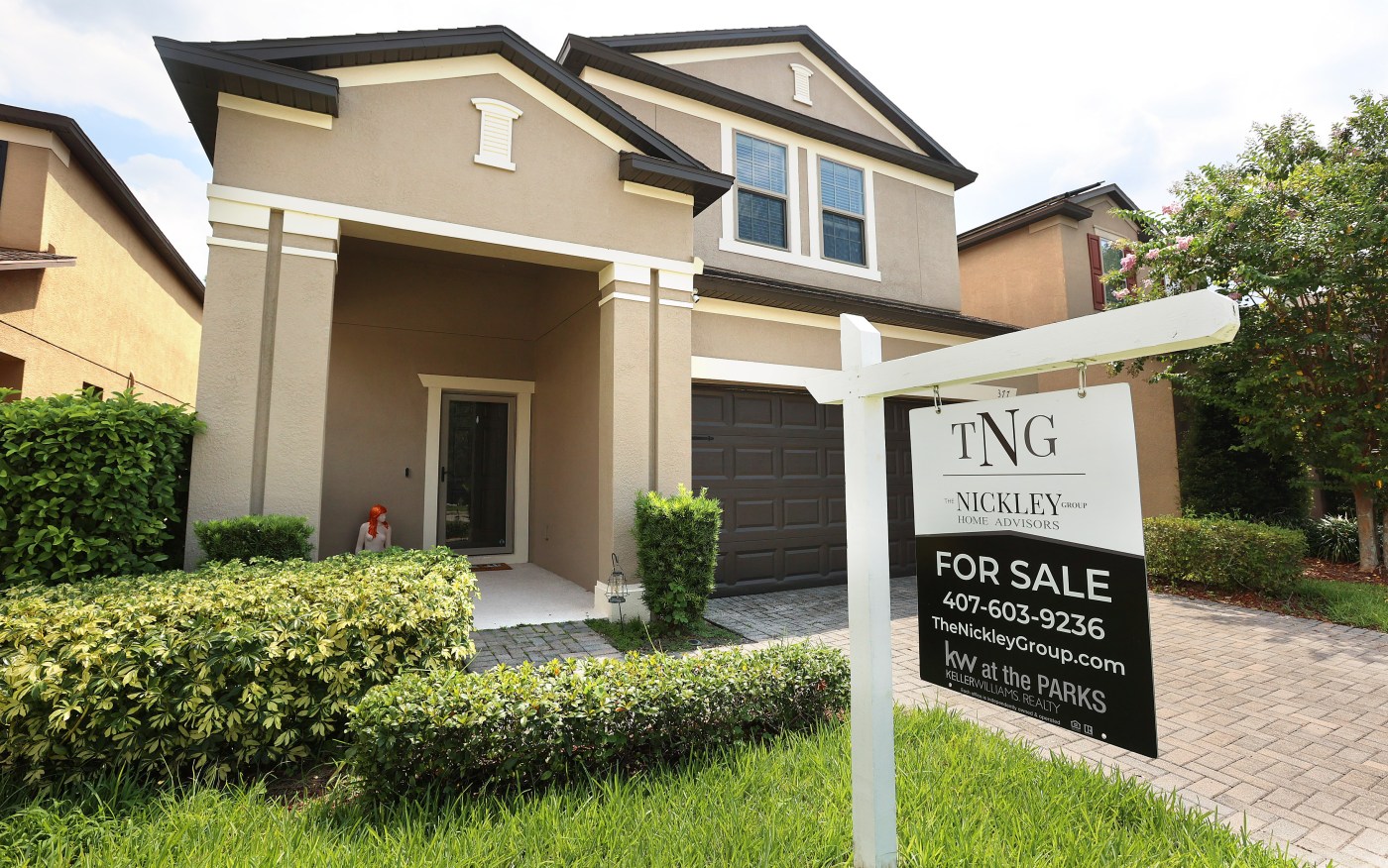
The advanced measures also include provisions such as eliminating non-school homestead taxes for homeowners aged 65 and older, an additional $100,000 homestead exemption for insured properties, and the ability for homeowners to transfer the full value of accumulated “Save Our Homes” benefits to new homes. However, concerns remain about shifting the financial burden to rental property owners and businesses, potentially exacerbating housing affordability issues.
An economic analysis from Realtor.com suggests that eliminating homesteaded property taxes could increase property values in Florida by as much as 9 percent, potentially benefiting existing homeowners while making it harder for first-time buyers to enter the market.
As these proposals proceed, they must clear the House Ways & Means Committee before heading to the full House when the legislative session opens on January 13, 2024. The stakes are high, with local governments warning that reduced revenues could lead to fewer public amenities and diminished quality of life for residents.
As the situation develops, Floridians are encouraged to stay informed and engaged with these pivotal discussions that could reshape the state’s economic future. The potential implications of these tax reforms extend far beyond the legislature, affecting every resident and community across Florida.
Stay tuned for updates on this evolving story.