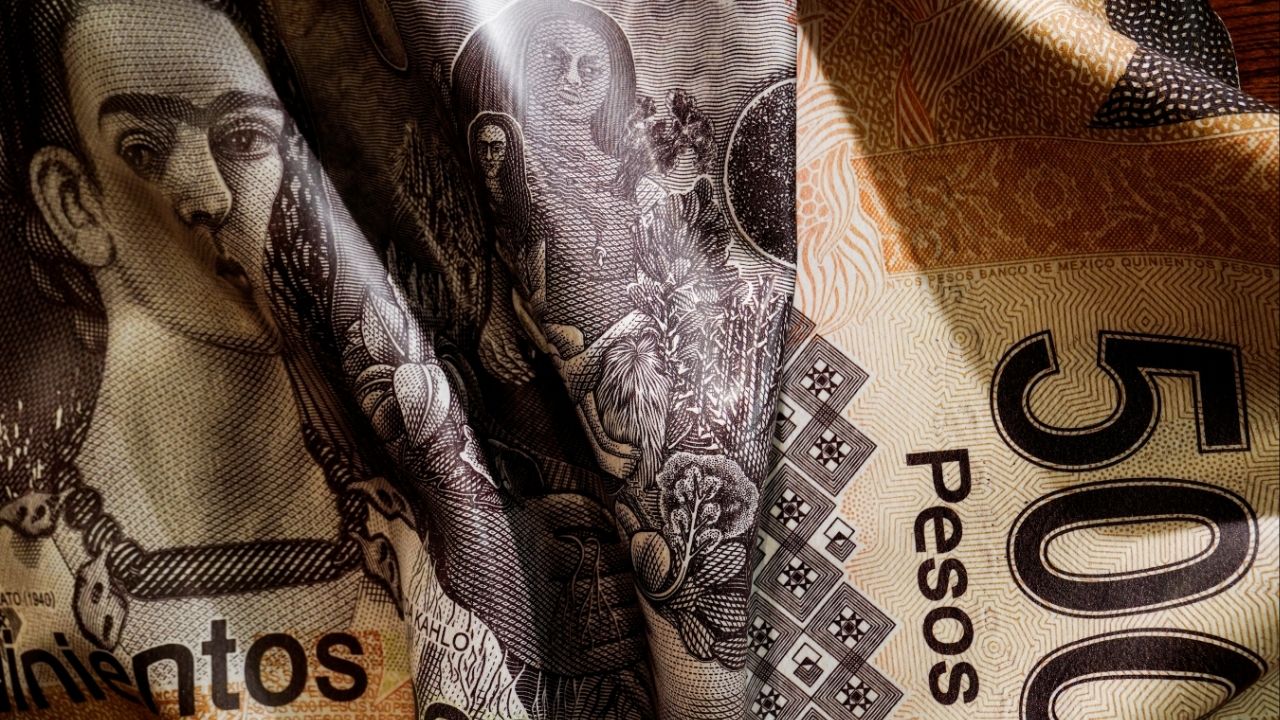
The Mexican peso is expected to continue trading within a longstanding range against the U.S. dollar, according to a recent Reuters poll conducted from November 28 to December 3. Analysts predict that the currency will remain close to the center of the range, which spans from 16.00 to 22.00 per U.S. dollar, a range that has been in place since July 2015.
The peso has averaged a mid-value of 19.20 during this period, only surpassing the upper limit of 22.00 at the peak of the COVID-19 pandemic in 2020. Currently, the peso is forecast to weaken by 3.4% over the next year, with an estimated value of 18.92 per dollar, down from 18.27 as of Tuesday.
Economic Factors Influencing the Peso
Christian Admin de la Huerta Avila, an economist at Finamex, highlighted that the risks surrounding the peso’s forecast are balanced but lean slightly towards depreciation. He attributes this outlook to signs of weakening economic activity, less robust remittance flows, and a potential divergence in monetary policy between the Bank of Mexico (Banxico) and the U.S. Federal Reserve.
Banxico is anticipated to maintain its gradual policy easing, while the Federal Reserve may pause its rate cuts after an expected adjustment this month. As a result, this could lead to a shift in interest rate differentials, which have so far favored the Mexican peso.
Among the foreign exchange strategists surveyed, opinions varied on future risks to the peso. Of the eleven respondents, five indicated a weaker bias for the currency, while three believed in a stronger outlook, and three held a neutral stance. This divergence reflects the uncertainties influencing both domestic and international economic conditions.
Comparative Outlook with Other Currencies
In comparison, Brazil’s real is also projected to weaken, with an expected decline of 3.1% to 5.50 per dollar within the next year, down from 5.33 on Tuesday. Despite this forecast, the Brazilian currency has shown resilience, appreciating by 15.9% year-to-date. Analysts estimate that the real will settle at around 5.38 by the end of 2025, marking a 14.9% gain for the year—the most significant increase since a 21.8% appreciation in 2016.
The Mexican peso has also demonstrated strength, with a year-to-date increase of 13.9%, aiming for an annual appreciation of 12.5%. This would represent the strongest growth since a 14.9% increase in 2023.
The findings from this Reuters poll shed light on the complex dynamics affecting the Mexican peso and its future trajectory. As economic conditions evolve, both domestic policies and international influences will play crucial roles in shaping the currency’s performance in the coming years.
This analysis reflects the ongoing engagement of financial analysts and economists in monitoring currency movements, highlighting the importance of understanding the broader economic landscape.