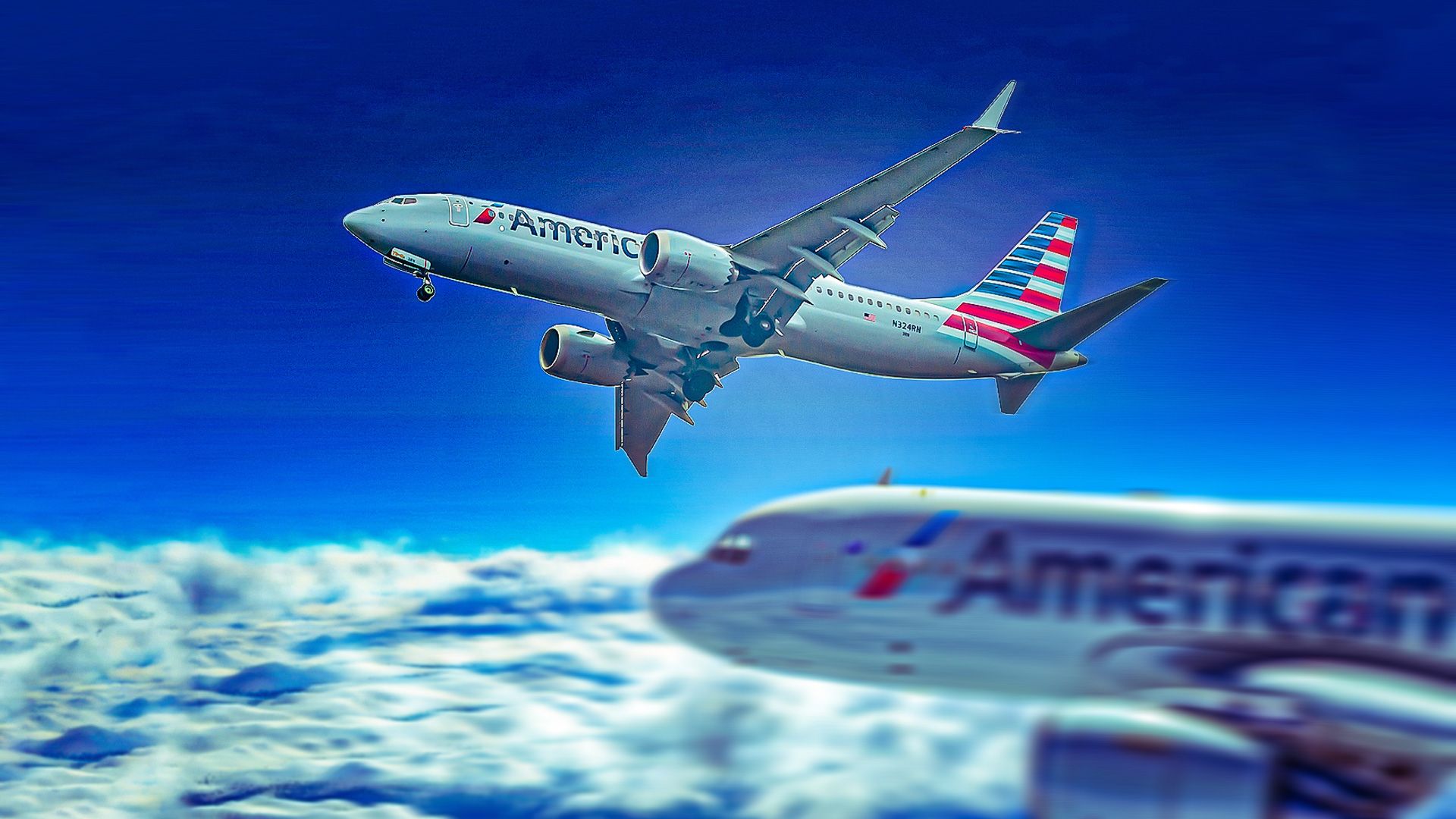
American Airlines is set to expand its Boeing 737 MAX 8 fleet to a total of 88 aircraft by the end of this year. The airline has progressively built its inventory since acquiring its first 737 MAX 8 in 2017. As of now, the fleet comprises 85 aircraft, following the recent addition of a new model, registered as N316UV.
According to data from Planespotters.net, American Airlines is expected to receive three more 737 MAX 8 deliveries in December 2025, reaching its target of 88 aircraft. The airline has a total of 15 additional units on order, which, when delivered, will bring the overall fleet to 100. Currently, the average age of the 737 MAX 8s in American Airlines’ fleet stands at just 4.1 years.
Fleet Configuration and Utilization
American Airlines has configured its 737 MAX 8s to accommodate a total of 172 passengers, divided into two classes: 16 in First Class and 156 in the Main Cabin. These aircraft are deployed on various domestic and international routes, illustrating the airline’s commitment to maintaining a modern and versatile fleet. In addition to the MAX 8s, American Airlines also operates a substantial fleet of 303 Boeing 737-800s, which have an average age of 16.1 years.
The airline’s strategy reflects a broader trend in the aviation industry, where operators are increasingly focusing on updating their narrowbody fleets to improve fuel efficiency and passenger comfort. Beyond the MAX 8, American Airlines has also placed an order for the yet-to-be-certified 737 MAX 10.
Future Prospects with the 737 MAX 10
In 2024, American Airlines announced an order for 115 Boeing 737 MAX 10s, with options for an additional 75. The introduction of the MAX 10 is expected to complement the existing MAX 8 fleet and enhance the airline’s operational flexibility. The 737 MAX 10 can accommodate up to 230 passengers and has a range of approximately 3,100 nautical miles (5,740 kilometers). Boeing anticipates that both the MAX 7 and MAX 10 models will receive certification from the Federal Aviation Administration (FAA) in 2026, as reported by Reuters.
Boeing has encountered various challenges, including design changes that have led to delays in the certification process. These issues include ongoing regulatory reviews and the need to address anti-ice solutions and bird strike requirements. Recently, the company has made progress in resolving a problem with the engine anti-ice system, which, if not addressed, could pose serious operational risks.
Other airlines, including Southwest Airlines and Delta Air Lines, are also preparing for the arrival of the 737 MAX 10. Delta has indicated plans to introduce the aircraft in 2026, targeting mid-range flights that require higher seating capacity than the MAX 8 or MAX 9 can provide. Notably, United Airlines has 167 MAX 10s on order, while Delta is awaiting 100 units.
As American Airlines continues to expand its fleet and modernize its operations, the focus remains on enhancing passenger experience and meeting rising travel demand. This strategic approach not only positions the airline competitively within the market but also aligns with broader industry trends toward newer, more efficient aircraft.