UPDATE: A shocking report reveals that Somali immigrants in Minnesota have allegedly stolen over $1 billion in taxpayer funds over the last five years, according to The New York Times. This fraud scheme has prompted urgent responses from officials, with White House Press Secretary Karoline Leavitt labeling it a “bombshell report.”
The investigation highlights how individuals within Minnesota’s Somali community exploited social services, setting up fraudulent companies that billed state agencies for services that were never rendered. Law enforcement officials have identified this scheme as possibly the largest COVID-19 fraud case in U.S. history, with 78 individuals charged and 59 convictions secured.
As the fraud unfolded, criminals took advantage of federal relief efforts, falsifying claims related to housing and autism services. They diverted taxpayer dollars into luxury assets, including cars and real estate. James Clark, inspector general at the Minnesota Department of Human Services, stated, “Greedy people and businesses have learned how to exploit our programs. Fraud is the business model.”
Former President Donald Trump remarked on this issue, alleging that Minnesota is a hub for fraudulent activity and announcing the termination of the Temporary Protected Status (TPS) for Somalis in the state. In a social media post, he stated, “BILLIONS of dollars are missing. Send them back to where they came from.” While his remarks may contain exaggerations, they underscore significant concerns regarding the integrity of social services.
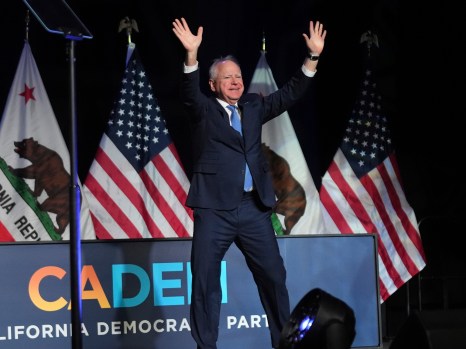
The Minnesota Governor Tim Walz has dismissed Trump’s accusations, suggesting they unfairly target the Somali community. However, a group of employees from the Minnesota Department of Human Services accused Walz of retaliating against whistleblowers who tried to report fraud, stating, “We let Tim Walz know of fraud early on, hoping for a partnership in stopping fraud but received the opposite response.”
This scandal raises pressing questions about the effectiveness of oversight in social service programs and the impact on the Somali community, which is largely law-abiding. As the investigation continues, officials at the federal and state levels are under pressure to address these vulnerabilities and restore trust in the system.
Looking ahead, the Department of Justice’s ongoing investigations may yield further legal actions, and the implications for Minnesota’s immigrant communities could be profound. Community leaders and advocates are calling for a balanced approach that does not stigmatize innocent individuals amidst the fallout of this scandal.
As this story develops, the focus remains on ensuring that those responsible for the fraud are held accountable while protecting the rights and dignity of the wider Somali community in Minnesota.