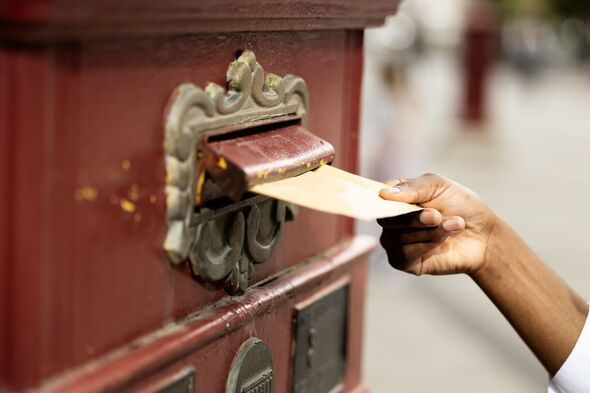
The United States Postal Service (USPS) has implemented a significant policy change regarding postmarks that may impact how property tax payments are processed. As of August 2023, postmarks are now affixed at regional sorting centers instead of being stamped upon initial handling. This alteration means that a postmark may reflect a date several days later than when a payment was mailed, which has critical implications for taxpayers.
Brown County Treasurer Ray Suennen emphasized the importance of this change, stating, “If you plan to pay your property taxes by mail, don’t wait until right before the deadline to put it in the mail.” Many states consider a payment on time if it bears a USPS postmark dated by the tax deadline. Consequently, payments sent close to the deadline may now be deemed delinquent, potentially leading to late fees for taxpayers.
To mitigate the risk of incurring late fees due to this new policy, property taxpayers are advised to mail their payments well in advance. Alternatively, they can choose to pay online, which offers a more immediate solution. Ryan Schley, Treasurer of Door County, highlighted the benefits of the E-check option for online payments. “This could be a great option for people who are concerned that they are mailing their payment too close to the deadline and want to make sure that they are not going delinquent,” Schley noted.
This recommendation is echoed by Teri Jacobson, Treasurer of Kenosha County, who mentioned that credit and debit card payments often incur a significant convenience fee of approximately 3 percent. In contrast, E-check convenience fees for tax payments made through the county website are a flat $1.50 per transaction, making it a cost-effective alternative comparable to standard postage.
As taxpayers navigate this new USPS policy, awareness and proactive measures will be crucial in ensuring timely payment of property taxes. The adjustment in postmarking procedures underscores the importance of planning ahead to avoid unnecessary financial penalties.