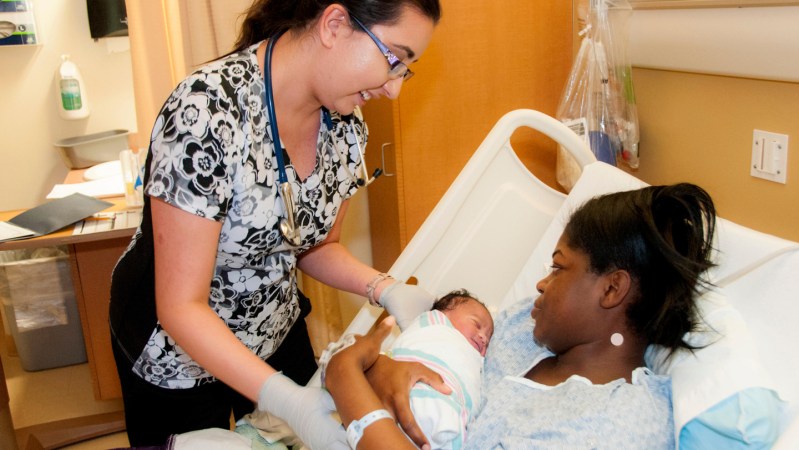
URGENT UPDATE: A pivotal vote by the CDC’s Advisory Committee on Immunization Practices (ACIP) has just reshaped newborn health policy. In a surprising move, the panel voted 8-3 to no longer recommend universal hepatitis B vaccination at birth, limiting the vaccine to infants born to mothers who test positive for the virus.
This controversial decision, made without new evidence, means that for mothers who test negative during pregnancy, the first dose will now be delayed until infants are at least two months old. Experts warn that this change could jeopardize the health of countless newborns during a critical period.
“We’ve heard ‘do no harm’ is a moral imperative,” stated Cody Meissner, a pediatric infectious disease specialist and one of the few ACIP members with relevant medical experience, who voted against the change. He emphasized that, with this new recommendation, “we are doing harm.”
The meeting, which took place on December 2, 2023, was marked by chaos, as some ACIP members, influenced by Robert F. Kennedy Jr., questioned the vaccine’s safety and downplayed the risks of hepatitis B infection. Despite this dissent, a thorough review by the University of Minnesota’s Vaccine Integrity Project affirmed that the birth dose is safe and essential, reiterating the serious risks hepatitis B poses to newborns.
José Romero, a former ACIP chair, pointed out at a news briefing that “the science is unequivocal: hepatitis B remains a real and serious risk to infants.” He highlighted the urgency of the vaccine, noting that around 90 percent of infected infants develop chronic hepatitis B, a lifelong condition that can lead to liver cancer and other severe health issues.
The decision is particularly alarming given that about 2 million Americans are estimated to have hepatitis B, and many are unaware of their infection. While the U.S. has universal screening for hepatitis B during pregnancy, up to 18 percent of pregnant individuals do not get tested. This means newborns could be exposed to the virus from various sources, including caregivers.
Critics argue that delaying vaccination puts infants at unnecessary risk. “Delaying the birth dose would leave newborns unprotected during a critical window in their lives,” Romero warned. “Children will die preventable deaths without timely access to the hepatitis B vaccine.”
Historically, the U.S. implemented universal hepatitis B vaccination for infants following recommendations from ACIP in 1991, leading to a dramatic reduction in cases. Since then, infections have plummeted by 99 percent, from approximately 16,000 cases in the early 1990s to fewer than 20 perinatal infections annually in recent years.
The change raises significant concerns for public health advocates, who fear that this reversal could undo decades of progress in fighting hepatitis B. “Vaccinating all newborns ensures they are protected in all scenarios,” emphasized Su Wang, a physician and chronic hepatitis B patient who shared her personal journey at the ACIP meeting.
As the implications of this decision unfold, public health officials and parents alike are left questioning the safety net that has historically protected U.S. infants. The ACIP’s new guidance will undoubtedly spark further debate in the coming days.
WHAT’S NEXT: Stakeholders and health professionals will be closely monitoring the impact of this decision. Advocacy groups are likely to respond, and there may be calls for re-evaluation of the evidence supporting the new recommendations. The health community is urged to remain vigilant as this situation develops, given the potential consequences for newborn health across the nation.