UPDATE: President Donald Trump has just announced a bold security strategy that demands Europe prepare to defend itself within two years, by the end of 2027. This significant shift in U.S. foreign policy aims to reduce American military support, fundamentally altering the trans-Atlantic alliance.
In a document released yesterday, Trump declared, “The days of the United States propping up the entire world order like Atlas are over.” This strategy comes amid rising impatience from the Trump administration regarding Europe’s military readiness, which previously set a target for self-defense by 2030. Analysts have warned that the earlier timeline may be overly ambitious given Europe’s current shortfalls in key military areas including air defense, cyber warfare, and intelligence.
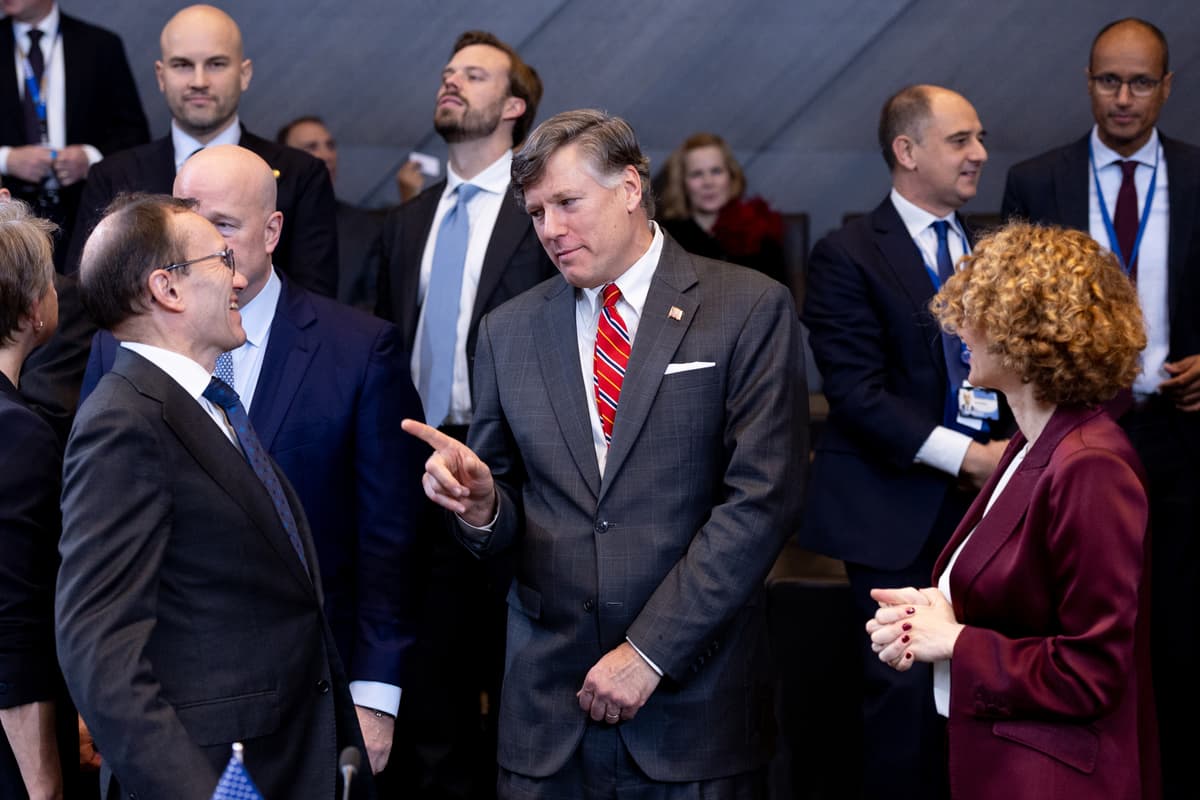
The urgency of this directive marks a pivotal moment as NATO approaches its 80th anniversary on April 4, 2029. The Deputy Secretary of State, Christopher Landau, emphasized the seriousness of the situation, stating, “Europe must take primary responsibility for its own security.” This sentiment echoes throughout the strategy, which criticizes European leaders for their handling of immigration that, according to the document, threatens the continent’s cultural identity.
The 33-page report also highlights concerns over “cratering birthrates” and migration policies that could lead to what it describes as “civilizational erasure.” It warns that should current trends continue, Europe could become unrecognizable within 20 years, potentially impacting NATO member nations’ views on their alliance with the U.S.
Amid rising anti-immigration sentiment across Europe, centrist politicians have expressed alarm at the implications of the report. Former Swedish Prime Minister Carl Bildt criticized it as extreme, suggesting such rhetoric is typically found in less reputable political circles. In contrast, the far-right Alternative for Germany party praised the strategy as a necessary wake-up call for Europe.
Germany’s Foreign Minister, Johann Wadephul, reaffirmed the importance of the U.S. as an ally, insisting that Germany does not require external advice on its policies. Meanwhile, Democratic Representative Jason Crow condemned the strategy, labeling it “catastrophic to America’s standing in the world.”
On the contentious issue of Russia, the strategy calls for a halt to NATO expansion, arguing that unrealistic expectations from European leaders regarding the Ukraine conflict stem from a lack of genuine public consensus. The report criticizes European governments for undermining democratic processes, insisting on a quick resolution to restore stability with Russia.
In a related development, Trump’s special envoy Steve Witkoff is currently engaged in diplomatic talks between the Kremlin and Ukrainian officials. Analysts warn that Trump’s push for a peace deal in Ukraine could have dire consequences for European security. Financial analyst Timothy Ash cautioned that such a peace could leave Ukraine vulnerable to further Russian aggression.
As this situation unfolds, the implications for European defense and the future of NATO are profound. The urgency of these developments calls for immediate attention as the world watches how Europe will respond to Trump’s challenge. The focus now shifts to how European leaders will navigate this new directive and what measures they will take to enhance their military capabilities before the looming deadline.
Stay tuned for more updates as this urgent situation continues to develop.