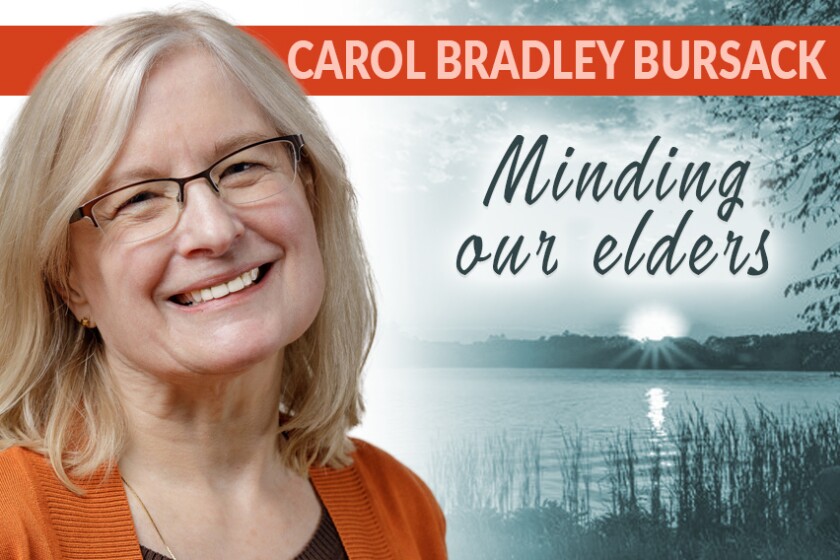
In a poignant reminder of the ongoing struggles faced by stroke survivors, a recent letter to advice columnist Carol Bursack highlights the emotional toll that recovery can take. A correspondent, known as RU, wrote about her father, who has been grappling with grief following the death of his wife and the challenges of post-stroke rehabilitation. The family’s concern reflects a broader issue affecting many elderly individuals who experience significant life changes and emotional distress.
Understanding the Emotional Impact of Stroke Recovery
Following the death of his wife two years ago and a recent stroke, RU’s father has faced considerable loss. Even though he has returned home after the stroke, his emotional state has deteriorated. With limited use of his left arm and leg weakness, his ability to engage in activities he once enjoyed, such as woodworking, has diminished. This has intensified feelings of isolation and hopelessness.
Bursack emphasizes the importance of recognizing the emotional burden that comes with such losses. She notes that it is common for individuals, particularly the elderly, to feel overwhelmed by grief and the limitations posed by health issues. She encourages RU to acknowledge not only her father’s pain but also her own as she navigates this challenging time.
Strategies for Support and Engagement
Bursack suggests several avenues for RU to explore that could help her father regain a sense of purpose. Engaging with veteran organizations may provide him with companionship and support, particularly if he is a veteran. These organizations often offer volunteer services, including home visits and transportation to events, which can combat feelings of loneliness.
Another option is senior centers, which serve as community hubs for older adults. These centers offer a variety of activities and opportunities for social interaction, along with valuable information about local resources, including transport services. Options like Uber and Lyft, while not inexpensive, have become more accessible for older adults, and services such as Go Go Grandparent can assist in arranging rides.
Importantly, Bursack advocates for the potential benefits of counseling. She points out that Medicare covers mental health visits via telehealth, making it easier for older adults to access support without the stress of in-person visits. While older individuals may be hesitant about counseling, Bursack believes it can be an effective tool for coping with grief and moving forward.
As RU considers these options, Bursack advises her to approach the conversation gently. Rather than overwhelming her father with suggestions, she should focus on what resonates most with him. Persistence is key, but if signs of severe depression or self-harm arise, immediate intervention is crucial.
Through her compassionate response, Bursack underscores the importance of love and support during difficult times. She reassures RU that she is doing a commendable job by being present for her father. This kind of support can make a significant difference as he navigates his recovery and emotional healing.
In summary, the journey of recovery from a stroke involves not only physical rehabilitation but also emotional support. Engaging with community resources, exploring counseling options, and maintaining connections with family can help stroke survivors like RU’s father find hope and purpose in their lives once again.