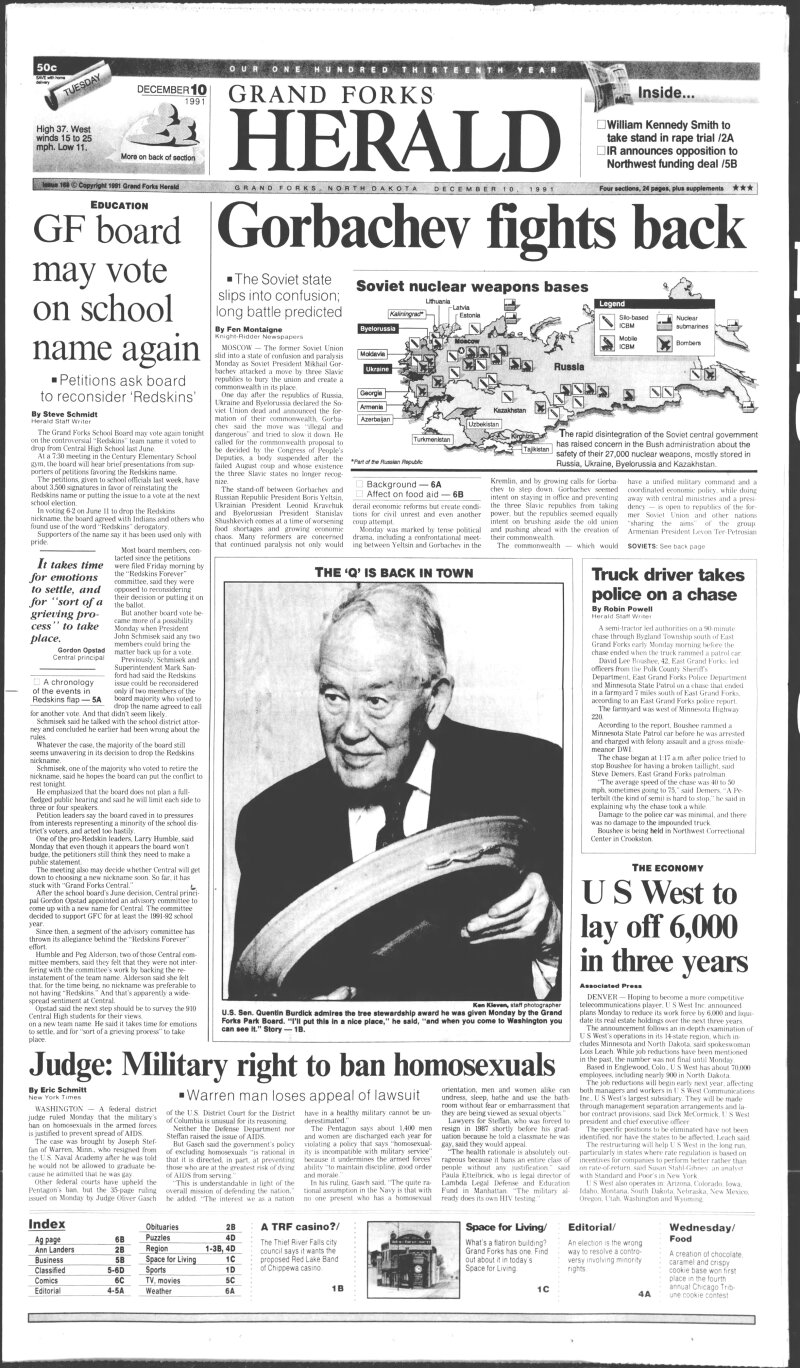
On December 10, 1991, John White, the leader of the Illinois Farm Bureau, emphasized the need for increased American assistance to the Soviet Union during a meeting with President George H.W. Bush. White’s appeal came in the context of the Soviet Union’s declining economy, which he described as critical for U.S. agricultural exports, particularly corn.
White highlighted the historical significance of the Soviet market, stating, “The Soviets were a cash-and-carry customer for $17 billion worth of corn in the 1970s and ’80s.” He noted that in some years, nearly 30 percent of U.S. corn exports were directed to this market. His comments were made just after he returned from a trip to Moscow, where he observed the dire conditions facing Soviet farmers.
Economic Assistance and Risks
The International Wheat Council has also weighed in on the situation, warning that rejecting $19.4 billion in proposed credits could jeopardize a crucial export outlet for U.S. farmers. The council stated, “A refusal to extend further help could mean the loss of the exporting nations’ most important outlet.” The proposed credits and barter deals are aimed at securing essential grains and food imports to stave off potential economic collapse in the region.
White argued that the long-term objective of such aid should be to facilitate a transition to market systems, ensuring access to unsubsidized credit and fostering commercial sales. He believes that supporting Soviet farmers is vital not only for humanitarian reasons but also for the sustainability of U.S. agriculture.
Domestic Criticism of Foreign Aid Priorities
Despite the calls for assistance, not all voices are in favor of prioritizing foreign aid over domestic issues. David Senter, the director of the American Agriculture Movement, criticized President Bush for focusing on international aid while neglecting pressing domestic agricultural challenges. Senter expressed concern, stating, “He has not put one plan forward to deal with domestic problems in America. He is disengaged. He doesn’t care about domestic programs, particularly in rural America.”
As President Bush prepares to address approximately 3,000 attendees at the 77th annual meeting of the Illinois Farm Bureau, the contrasting perspectives on foreign aid and domestic agricultural policy continue to raise questions about the administration’s priorities. The ongoing debate reflects broader concerns about balancing international responsibilities with the needs of American farmers.
In this pivotal moment, the discussions surrounding U.S. agricultural policy and international aid may significantly impact both domestic farmers and the future of agricultural trade with the Soviet Union.