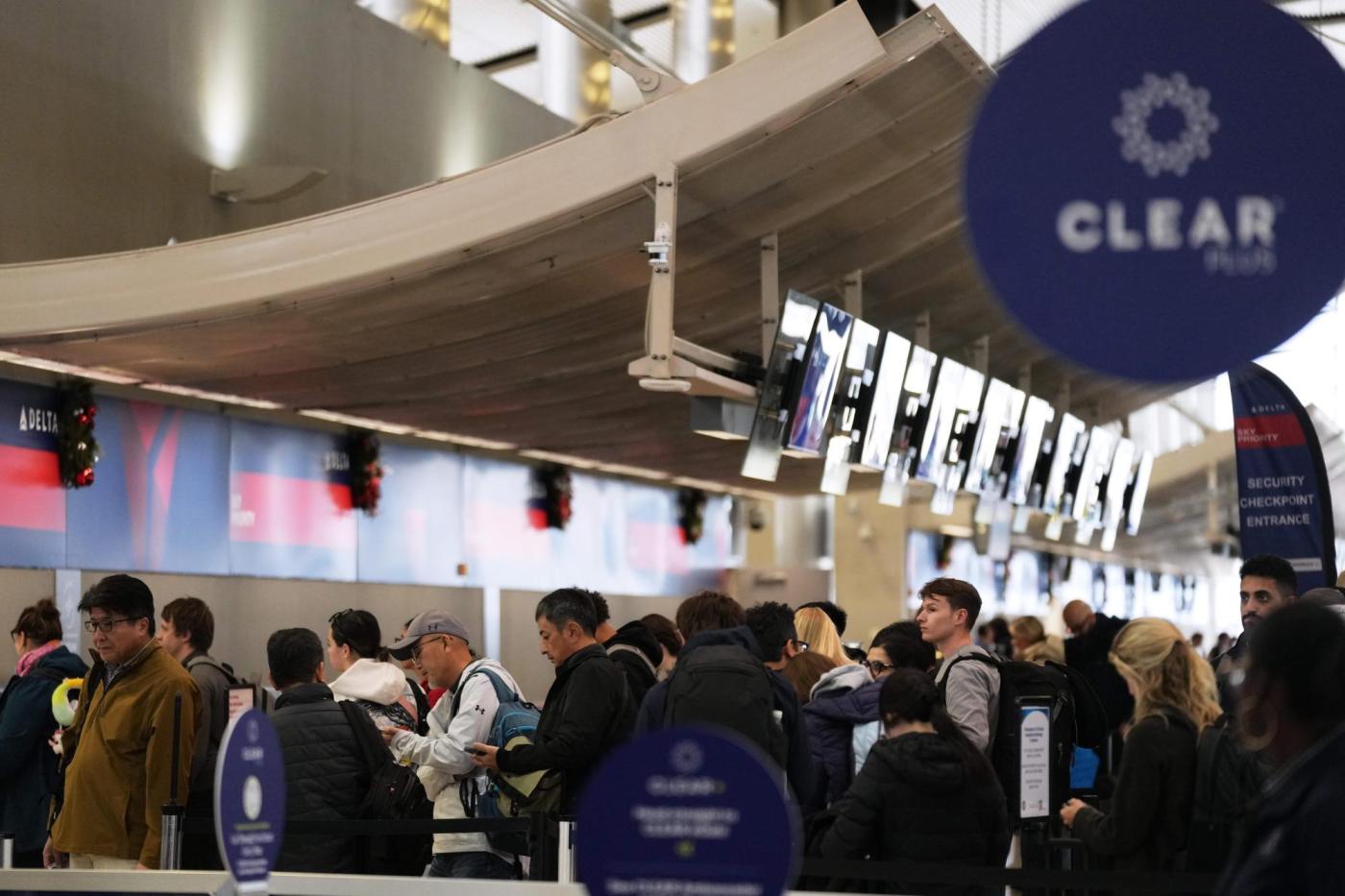
Foreign nationals eligible to travel to the United States without a visa may soon be required to disclose their social media accounts, email addresses, and detailed family information. This proposal, published on March 15, 2024, in the Federal Register, outlines new requirements from the Department of Homeland Security (DHS) for travelers hailing from over three dozen countries participating in the Visa Waiver Program.
The new regulations, put forth by Customs and Border Protection (CBP), aim to collect up to five years of social media activity from individuals who utilize the Electronic System for Travel Authorization (ESTA). This system is designed to automatically screen eligible travelers, allowing them to enter the U.S. for tourism or business for a period of up to three months without a visa. Unlike traditional visa applicants, these travelers typically do not attend interviews at embassies or consulates.
Details of the Proposed Changes
In addition to social media information, the proposed requirements include the collection of phone numbers used within the past five years, email addresses from the last ten years, and metadata from electronically submitted photos. Applicants will also need to provide extensive information about their family members, such as their places of birth and contact details. Currently, the ESTA application only requests basic information, including parents’ names and a current email address.
The public has a 60-day window to comment on these proposed changes before they take effect. CBP officials have not yet provided specific reasons for the expanded information requests or what they intend to examine within the social media accounts. The initiative is part of a broader effort to enhance security protocols following an executive order signed by former President Donald Trump in January 2023, which called for stricter screening measures for individuals entering the U.S.
Implications for Travelers
Travelers coming from countries not included in the Visa Waiver Program are already required to submit their social media information, a policy that has persisted through both the Trump and Biden administrations. Conversely, citizens from visa waiver countries have not been subject to these requirements until now.
Since the beginning of the year, the Trump administration has intensified scrutiny of travelers and immigrants alike. New visa application rules mandate that applicants set their social media accounts to public, enabling authorities to review potentially derogatory information. Failure to comply with this requirement can result in visa denial, as outlined by the State Department.
The increased focus on social media screening has raised concerns among immigration advocates and free speech organizations. Critics worry that such measures may disproportionately target individuals who express dissenting views, potentially infringing upon their rights.
As these developments unfold, the impact on international travel and relations remains to be seen. The proposed changes to the ESTA program signify a notable shift in the U.S. approach to monitoring who enters the country, reflecting ongoing national security concerns.