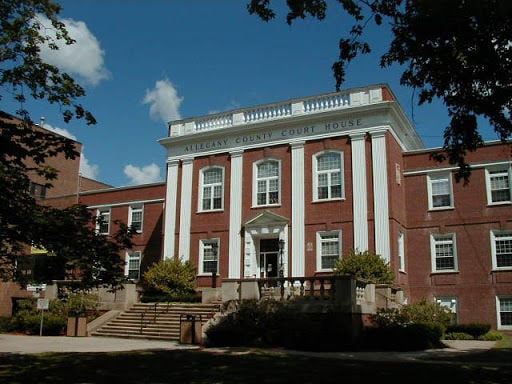
Residents of Allegany County are calling for greater accountability from their elected officials, citing ongoing concerns about government corruption and a lack of transparency. Recent observations have sparked a renewed focus on how local governance mirrors broader issues seen at the federal level.
The situation has become increasingly alarming as federal investigations into corruption have reportedly been abandoned in favor of political cooperation. This pattern extends to substantial donations from corporations to inaugural funds, which seem to coincide with the resolution of regulatory challenges. Allegany County’s local government is not exempt from this troubling trend.
When the county legislature votes during work hours to expand its ability to exceed tax caps, many residents are unable to attend these critical meetings. The decision-making process appears detached from the community, raising concerns about transparency. Additionally, recent decisions to approve salary increases for legislators while residents grapple with rising living costs further emphasize the disconnect.
In a striking comparison, Allegany County, with a population of approximately 47,000, is served by 15 legislators. In contrast, Erie County, which is home to nearly 950,000 residents, operates effectively with just 11 legislators. This discrepancy raises questions about government efficiency and prioritization of public service over personal interests.
The implications of these governance issues extend beyond mere numbers. Local residents rely on essential programs such as SNAP benefits and affordable healthcare. When leadership enacts policies that undermine these supports without viable alternatives, the community suffers tangible consequences. Empty storefronts and families forced to choose between basic necessities exemplify the fallout of inadequate governance.
The narrative that government is inherently broken and corrupt is echoed by actions of officials who evade accountability. The lack of in-person town halls and the tendency to screen communications suggest a pattern of disengagement that undermines trust.
Allegany County meetings are open to the public, and residents have the right to voice their concerns. Engaging with representatives through available channels is essential for fostering accountability. This is not merely a partisan issue; it is a matter of civic responsibility and the expectation that elected officials should serve their constituents.
The call to action is clear: residents are encouraged to demand better from their leaders, regardless of political affiliation. The fundamental question is whether elected officials will engage with the community in a transparent manner, fostering a relationship grounded in accountability and trust.
Joshua Johnston, a resident of Wellsville, articulates the frustration felt by many in the community. He emphasizes that the issue transcends political lines, urging a return to a time when public service was synonymous with accountability and community engagement. As residents push for change, the hope remains that common ground can be reclaimed in the pursuit of effective governance in Allegany County.