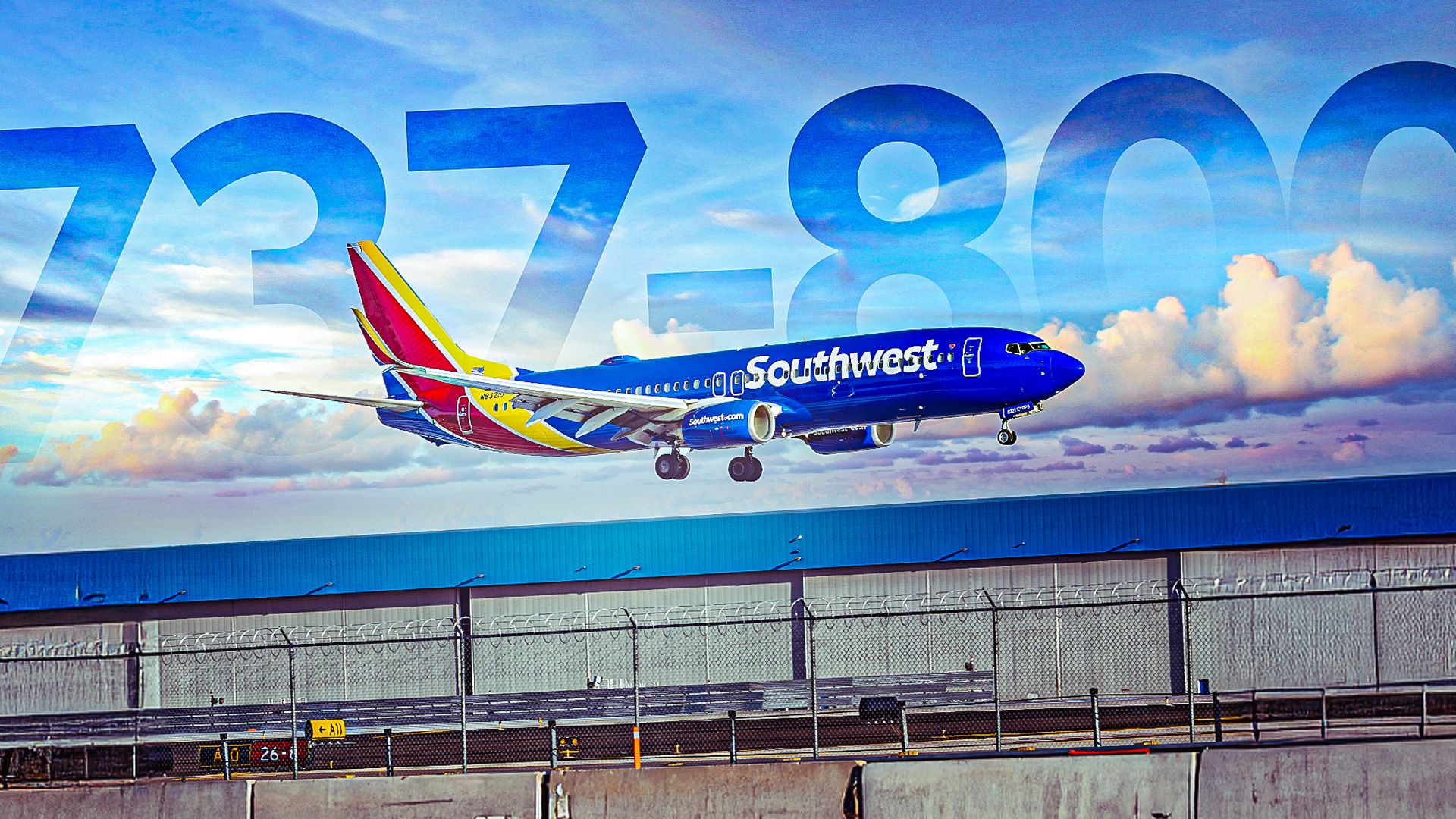
On March 20, 2025, a near-miss incident involving a Southwest Airlines Boeing 737-800 occurred at Orlando International Airport (MCO) when the aircraft began its takeoff roll on a taxiway instead of the assigned runway. The flight, designated as Southwest Flight 3278, was bound for Albany, New York, carrying 152 passengers and six crew members. Fortunately, air traffic control swiftly intervened, canceling the takeoff clearance just in time, allowing the crew to abort the takeoff and safely return to the apron.
The National Transportation Safety Board (NTSB) has identified pilot error as the primary cause of this incident. Reports indicate that the flight crew mistakenly believed they were on the runway when, in fact, they were on taxiway H2, which runs parallel to runway 17R. This confusion underscores significant lapses in adherence to standard operating procedures.
Investigation Findings Detail Pilot Actions
In the aftermath, the NTSB conducted a thorough investigation, which included interviewing the captain. During this inquiry, it became apparent that the crew had misidentified the taxiway as the runway after receiving takeoff clearance. The captain recalled turning right onto taxiway H2, misinterpreting the situation despite having the sign for runway 17R in clear view. He noted that his focus on completing pre-takeoff checklist items diverted his attention from recognizing the critical difference between the taxiway and the runway surface.
According to the NTSB’s report, the captain failed to acknowledge several visual cues that would have indicated the actual location of the aircraft. The report stated, “The captain’s failure to recognize that the airplane’s location did not agree with the assigned departure runway… [and] continuation error when he missed several cues that would have informed him that he was not on the assigned departure runway.”
The captain’s reliance on lighting, magnetic course indicators, and a moving map display contributed to the oversight, as he did not verify the painted numbers on the runway—a critical step in ensuring correct positioning for takeoff.
Standard Operating Procedures Not Followed
Investigators found that the captain did not adhere to Southwest Airlines’ standard operating procedures (SOP), which are designed to confirm an aircraft’s correct position before takeoff. These procedures include using various references such as aircraft heading indicators, runway signage, and painted runway designations. The NTSB concluded that the failure to utilize these references played a significant role in the incident.
Additionally, the first officer was reportedly distracted during the critical moments leading up to the takeoff attempt. The captain’s request for confirmation of checklist items diverted attention from monitoring the aircraft’s positioning, further complicating the situation.
While no injuries or damage resulted from the incident, the NTSB’s findings highlight the potential dangers associated with such miscommunications, especially at a busy airport like Orlando during the spring break travel rush. The collaborative investigation with the Federal Aviation Administration (FAA) culminated in a final report released on December 11, emphasizing the need for vigilance and adherence to established protocols in aviation operations.
As the investigation concludes, it serves as a reminder of the importance of precise communication and situational awareness in ensuring passenger safety in the aviation industry.