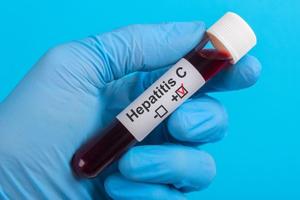
A groundbreaking 15-minute test for hepatitis C has been developed, significantly improving the potential for same-day treatment for patients. This advancement, announced by researchers at the University of California, San Francisco, could change the landscape of hepatitis C management and treatment, particularly in areas with limited access to healthcare.
The new testing method allows for rapid diagnosis, enabling healthcare providers to initiate treatment immediately. Traditionally, diagnosing hepatitis C required multiple visits and a waiting period for laboratory results, which often delayed necessary medical interventions. The swift nature of this new test addresses these challenges directly, providing a practical solution for timely care.
Impact on Global Health Initiatives
According to the World Health Organization (WHO), hepatitis C affects an estimated 58 million people globally, with many unaware of their infection status. The introduction of this rapid test aligns with the WHO’s goal to eliminate hepatitis C as a public health threat by 2030. The ability to treat patients on the same day as their diagnosis may enhance treatment uptake and adherence, ultimately reducing the burden of the disease.
Clinical trials have shown that the new test is not only efficient but also highly accurate. In a study involving over 2,000 participants, the test demonstrated a sensitivity of 99% and a specificity of 98%. These results underscore the test’s reliability, making it a valuable tool for healthcare providers.
Potential Benefits for Patients
For patients, the implications of this rapid testing technology are profound. Immediate access to treatment can significantly improve health outcomes and reduce the risk of transmission. This is particularly crucial in communities where hepatitis C is prevalent, as quick intervention can prevent complications associated with chronic infection, including liver disease and cancer.
Healthcare systems in the United States, Canada, and Australia are already exploring ways to integrate this rapid test into their existing frameworks. By streamlining the diagnostic process, these countries aim to enhance patient engagement and foster a proactive approach to hepatitis C treatment.
In conclusion, the development of a 15-minute hepatitis C test represents a significant stride towards improving patient care and public health. As healthcare providers adopt this innovative approach, the potential to eliminate hepatitis C as a global health threat becomes increasingly attainable. The collaboration between researchers and health organizations will be critical in ensuring widespread implementation and accessibility of this life-saving test.