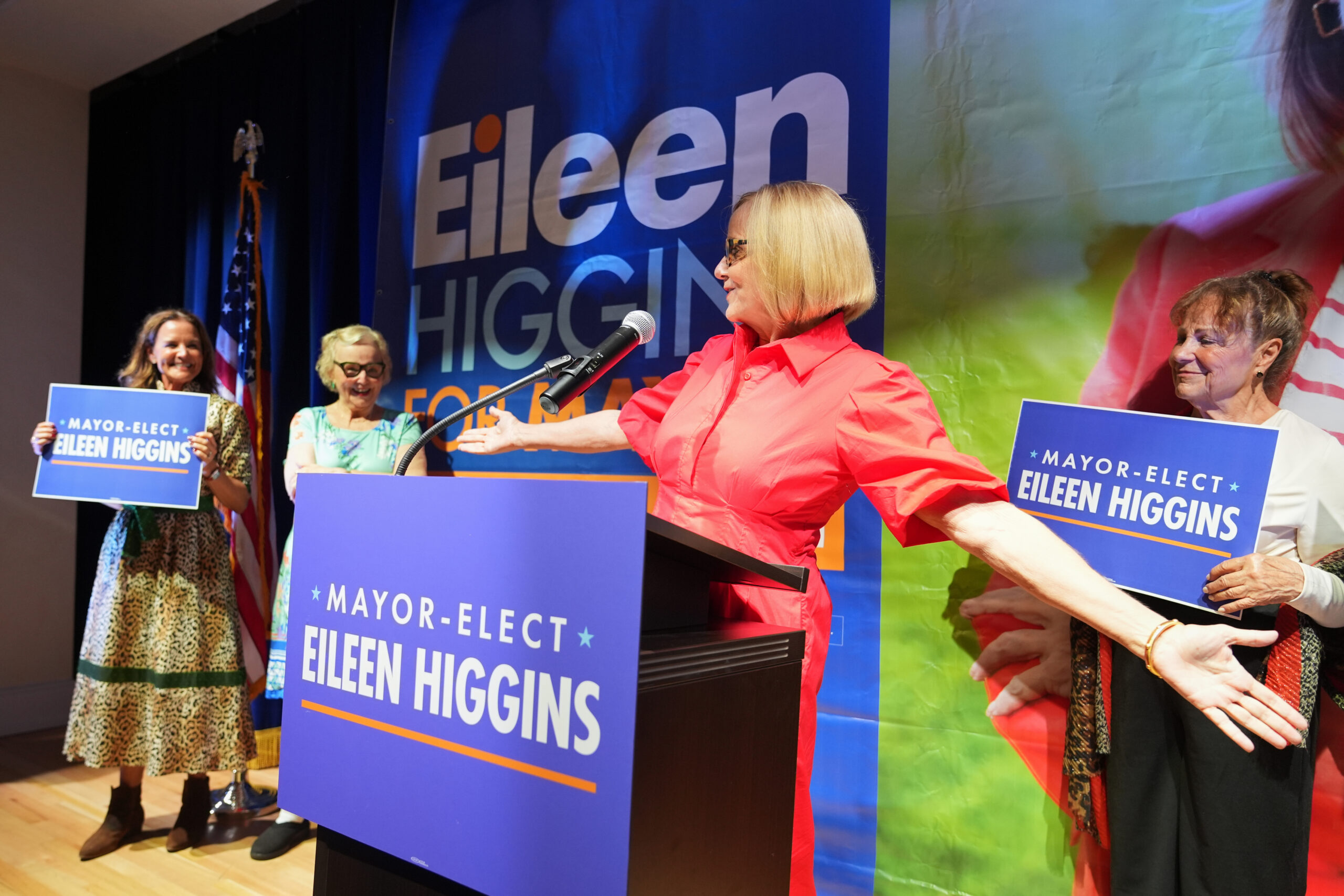
Democrats have identified a key message for the upcoming 2026 elections: a commitment to making life more affordable for citizens. This strategic focus gained momentum following the recent municipal elections in Miami, where candidates emphasizing affordability secured significant victories.
The results in Miami, a city known for its diverse population and vibrant economy, suggest that voters are prioritizing cost-of-living issues. With inflation impacting many households, Democrats are leveraging this sentiment to position themselves as champions of economic relief.
Focus on Affordability Across the Nation
As elections approach, Democrats across the United States are tailoring their messages to resonate with constituents grappling with rising expenses. Key themes include affordable housing, healthcare access, and overall economic stability. This approach stands in contrast to Republican strategies, which often emphasize tax cuts and deregulation as solutions to financial pressures.
In Florida, Governor Ron DeSantis has been a prominent figure in shaping Republican narratives. His administration has focused on reducing regulations and taxes, appealing to a business-friendly electorate. Yet, the recent elections in Miami indicate a potential shift in voter priorities, challenging the effectiveness of Republican messaging on these issues.
Democratic leaders, including President Joe Biden, are seizing on this opportunity to amplify their affordability agenda. They believe that by addressing everyday concerns, such as housing costs and healthcare expenses, they can build a coalition of support that transcends traditional party lines.
Miami’s Message Reflects Broader Trends
Miami serves as a microcosm of national trends, showcasing how local elections can foreshadow broader political shifts. The recent municipal races saw candidates advocating for policies that promise to ease financial burdens on families, such as rent control and expanded public transportation options.
Data from the U.S. Bureau of Labor Statistics reveals that inflation has significantly impacted urban areas, with consumers facing higher prices on essential goods and services. This economic backdrop has created fertile ground for Democratic candidates to position themselves as advocates for the middle class.
The success of affordability-focused candidates in Miami suggests that Democratic strategies may resonate well in other regions facing similar economic challenges. As the 2026 elections draw closer, party leaders are likely to refine their messaging based on these insights, aiming to harness voter sentiment to drive electoral success.
With a concerted effort to address pressing financial issues, the Democratic Party is poised to mobilize support in key districts, potentially altering the political landscape in the years ahead. The Miami elections illustrate a clear signal from voters: affordability is not just a talking point; it is a critical priority.