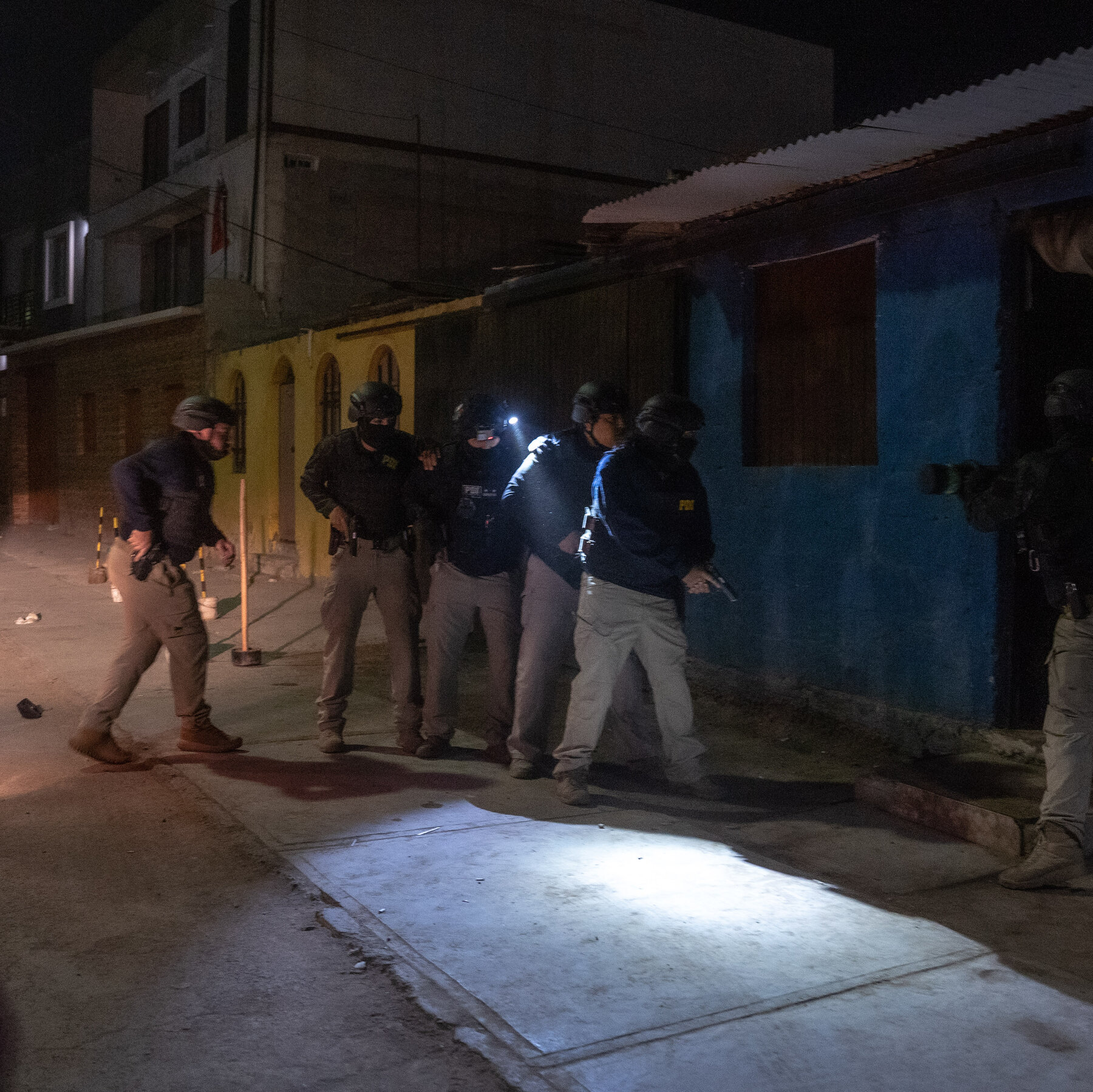
Recent developments in Chile indicate a potential shift towards a right-wing government as concerns over rising crime rates influence voter sentiment. With security emerging as a paramount issue across Latin America, Chilean citizens are increasingly calling for stringent measures to combat crime, which is reshaping the political landscape ahead of upcoming elections.
As crime fears escalate, voters in Chile are expressing a strong desire for tougher governmental responses. The current security challenges have prompted many to favor political parties perceived as capable of addressing these issues effectively. According to recent polls, a significant portion of the electorate is leaning towards right-wing candidates who advocate for harsher law enforcement policies.
The growing apprehension regarding public safety is not unique to Chile. Across the region, citizens are voicing similar concerns, amplifying demands for government action. This shift towards right-leaning policies reflects a broader trend in Latin America, where crime and violence have become critical topics in political discourse.
Shifting Political Dynamics
Political analysts suggest that the current climate may lead to substantial changes in Chile’s governance. The Chilean government has faced scrutiny over its handling of security matters, with various parties competing to present their solutions. The push for a right-wing victory is evident as voters express dissatisfaction with the status quo and seek alternatives that promise a more robust approach to law enforcement.
In recent months, several high-profile incidents of crime have captured media attention, further fueling public anxiety. The perceptions of insecurity have translated into political momentum for candidates who prioritize security in their platforms. According to a survey conducted by the Chilean polling firm *Cadem*, approximately 65% of respondents identified crime as their primary concern, indicating that this issue is likely to dominate the electoral agenda.
The urgency of the situation has led to calls for immediate reform. Voters are increasingly advocating for policies that include increased police funding, stricter penalties for offenders, and enhanced community safety programs. As the elections approach, candidates are expected to intensify their focus on security measures in order to resonate with the electorate.
The Road Ahead for Chile
Looking ahead, the implications of this rightward shift could significantly impact Chilean society. If right-wing parties gain power, their approach to crime and security will likely influence not only domestic policy but also regional dynamics. A successful campaign centered on security could inspire similar movements in neighboring countries struggling with similar issues.
Moreover, the response from the current administration will play a crucial role in shaping the political landscape. Attempts to address public concerns and improve security could either bolster the ruling party’s standing or exacerbate calls for change. As the political atmosphere becomes increasingly polarized, it remains to be seen how candidates will navigate these complex issues in their campaigns.
In conclusion, as Chile grapples with rising crime rates and public demand for tougher measures, the political landscape is evolving rapidly. The potential for a right-wing victory underscores the urgency of addressing security concerns, making it a pivotal moment for Chilean voters. With elections on the horizon, the direction of the country hangs in the balance, shaped by the pressing need for effective action against crime.