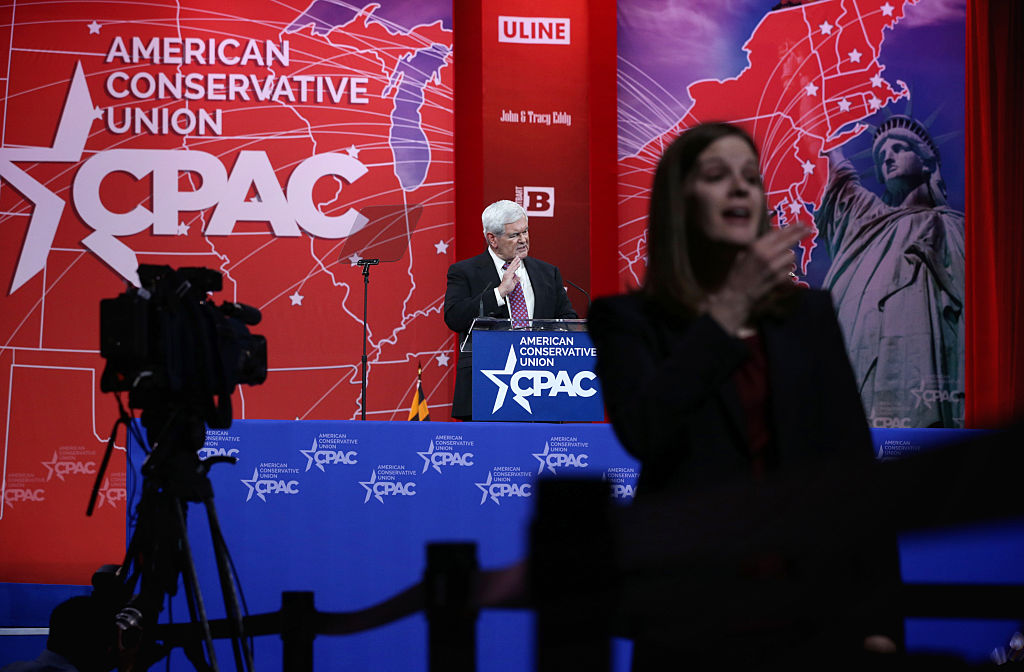
The Trump administration is under legal scrutiny for its recent decision to discontinue real-time American Sign Language (ASL) interpretation at numerous official events. This move has sparked significant backlash from disability advocates who argue that the lack of ASL access undermines the ability of deaf and hard-of-hearing Americans to engage fully in civic activities.
Advocates emphasize that federal disability law mandates reasonable accommodations to ensure public access to government information, particularly during live announcements that pertain to public safety, health, and governance. The discontinuation of ASL interpretation has raised alarms about the administration’s commitment to accessibility and equal rights for individuals with disabilities.
Legal Challenges and Broader Implications
The controversy has emerged against a backdrop of increasing political tension surrounding issues of accessibility. Earlier this week, Senator Marco Rubio criticized the use of the “Calibri” font in federal documents, declaring it “woke” despite its intended purpose of enhancing readability for people with visual impairments. This incident exemplifies a growing politicization of accessibility, prompting advocates to voice concerns that such actions reflect a fundamental misunderstanding of the necessity of accommodations.
Disability advocates contend that ramps, captions, readable fonts, and ASL interpreters are not mere preferences but essential requirements under the Americans with Disabilities Act (ADA). They argue that these provisions are necessary in a world that has not been designed with disabled individuals in mind.
A federal judge has already ruled that ASL interpretation must be provided at events with advance notice, which adds further pressure on the administration to reconsider its stance. As the legal battle unfolds, advocates warn that accessibility risks being framed as an inconvenience rather than a civil right, a shift with implications that reach far beyond a single White House briefing.
Rising Advocacy and Public Awareness
The pushback from disability advocates highlights a broader movement advocating for the rights of individuals with disabilities. Groups are increasingly vocal about the need for systemic changes that prioritize inclusivity and accessibility in all aspects of public life.
As the conversation surrounding accessibility continues to evolve, it remains clear that the implications of these decisions extend well beyond the immediate context. The ongoing legal challenges and public discourse will likely shape the future of accessibility in governance and public services, influencing how accommodations are viewed and implemented across various sectors.
The outcome of this situation will impact not only the deaf and hard-of-hearing communities but also set a precedent for future discussions on accessibility rights, reaffirming the critical nature of these accommodations in promoting equality and participation in democratic processes.