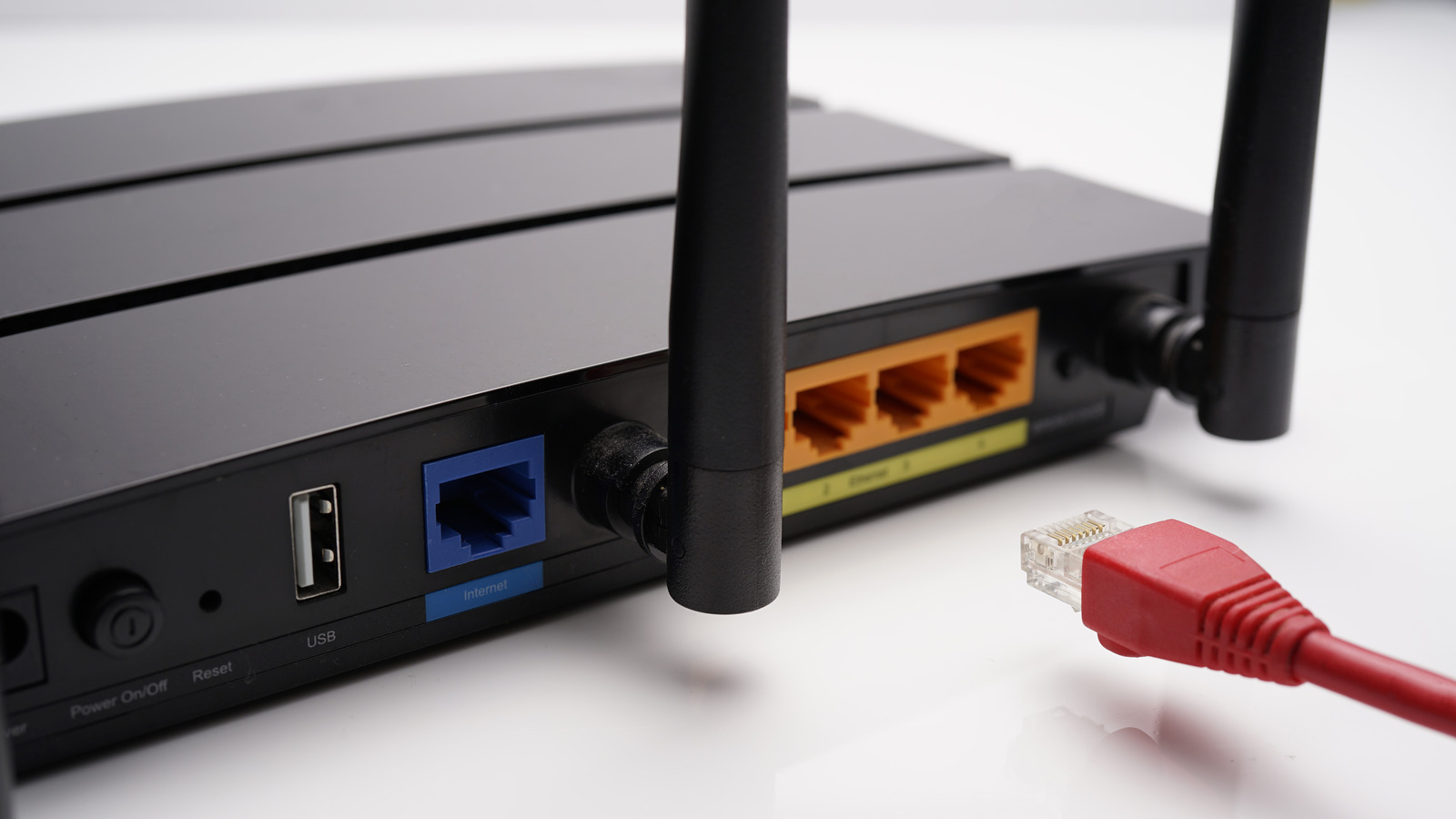
URGENT UPDATE: Households across the U.S. are grappling with the limitations of their 2.4 GHz routers, devices that are increasingly deemed outdated in the era of high-speed internet. With four out of five households owning a home network router, many are unaware that this ancient technology could be holding them back from optimal connectivity.
Just announced findings reveal that the 2.4 GHz Wi-Fi band, which first became mainstream with the 802.11b standard in 1999, is severely lagging behind modern standards. While it was once capable of delivering speeds up to 54 Mbps, the reality is that these routers typically max out at about 100 Mbps. In stark contrast, users connecting through 5 GHz routers can expect speeds up to 1 Gbps, and the latest Wi-Fi 7 technology, approved in the U.S. in 2020, offers speeds of up to 2 Gbps.
The urgency of this situation is underscored by the rising number of devices connected in modern homes. Multiple high-demand devices, including smart TVs, gaming consoles, and laptops, place significant pressure on older routers, leading to frustratingly slow connections. Coupled with the crowded nature of the 2.4 GHz band, which is still the most used Wi-Fi spectrum, congestion from everyday appliances like baby monitors and microwave ovens can severely disrupt service.
However, the 2.4 GHz bandwidth does have a silver lining: it offers better coverage and penetration through walls compared to higher frequencies. This makes it particularly useful for connecting IoT devices such as smart plugs and thermostats. Experts recommend not completely discarding these routers, but rather considering alternatives like the TP-Link Archer GE230 Dual Band router. This dual-band option allows for both legacy device connectivity and better management of high-demand connections.
As we navigate through the digital landscape, using an older 2.4 GHz router as a supplementary device could alleviate some connectivity issues. It can serve as a dedicated lane for less demanding tasks, freeing up bandwidth for streaming, remote work, and online gaming on modern routers.
Despite their limitations, these routers are not entirely obsolete. Some businesses, including Costco and Home Depot, still utilize older computing technologies, proving that repurposing can be a viable strategy. However, relying on a 2.4 GHz router as the primary hub for a modern household could lead to significant disruptions and dissatisfaction.
WHAT’S NEXT: Tech experts urge consumers to reassess their home networking needs immediately. As the demand for reliable internet connectivity escalates, upgrading to a dual- or tri-band router is highly recommended. This will not only enhance speed but also improve overall network efficiency, ensuring that households stay connected in today’s fast-paced digital world.
Stay tuned for more updates on this evolving technology landscape.