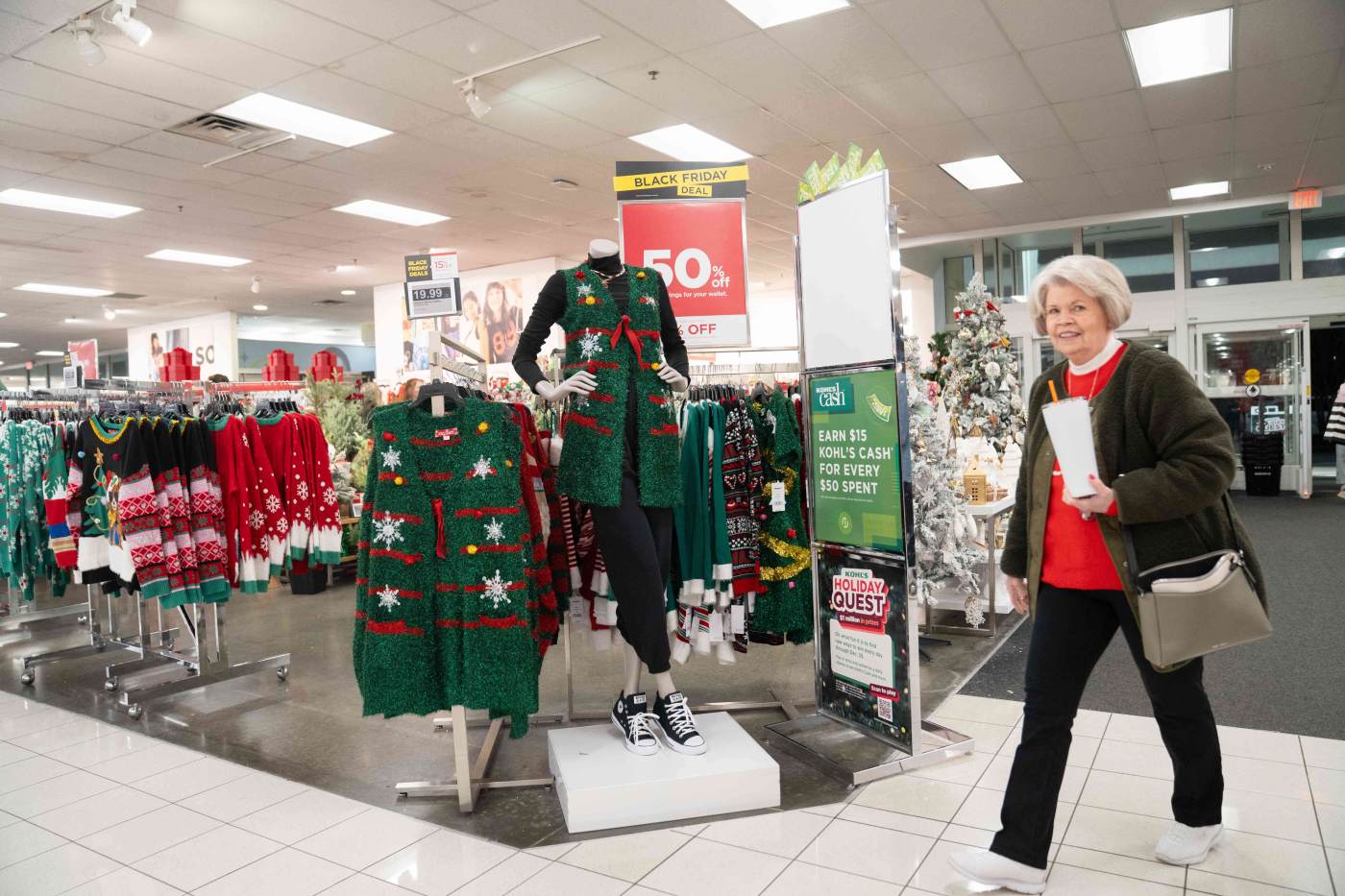
This holiday season presents challenges for U.S. consumers, as many are tapping into savings and seeking discounts due to economic pressures. A recent poll conducted by the AP-NORC Center for Public Affairs Research reveals that a significant number of American adults are experiencing heightened prices for essential items, including groceries and holiday gifts.
The survey indicates that approximately half of U.S. adults find it increasingly difficult to afford holiday gifts, with many delaying major purchases. This situation reflects ongoing concerns about the economy, which, despite promises from President Donald Trump to lower prices, continues to exert pressure on consumer sentiment.
Economic Sentiment and Consumer Behavior
Around 68% of adults in the U.S. categorize the economy as “poor,” a sentiment unchanged from December 2024, prior to Trump’s return to the presidency. As inflation remains a significant concern, many Americans are adjusting their spending habits. The poll shows that 87% of respondents have noticed higher grocery prices, while two-thirds report increased costs for electricity and holiday gifts.
Consumers are increasingly budget-conscious, with about 40% reporting they are looking for lower prices more than usual. Among those surveyed, 4 in 10 are utilizing savings to make purchases, indicating a shift in how families are managing their finances. Sergio Ruiz, a 44-year-old resident of Tucson, Arizona, exemplifies this trend. He has begun to use “buy now, pay later” programs to manage the costs of gifts for his children. Ruiz, who voted for Trump, emphasizes the need for higher incomes to alleviate affordability concerns.
Trump has maintained that the economy is thriving, stating, “When will people understand what is happening?” His administration’s policies, including tariffs, have contributed to ongoing inflation, frustrating many consumers. The economic landscape has led to mixed feelings even among his supporters, with many expressing dissatisfaction over rising costs.
Holiday Spending Patterns
Despite these economic challenges, consumer spending remains resilient, albeit with notable shifts. Andrew Russell, a 33-year-old adjunct professor from Arlington Heights, Illinois, has changed his shopping habits due to tariffs. He now prioritizes local purchases over unique international gifts, reflecting a broader trend of adapting to current economic conditions.
The poll results echo sentiments from December 2022, when inflation reached a four-decade high. Although overall inflation has eased to around 3%, the persistent high prices are causing ongoing discomfort for many families. Roughly half of respondents have noted increased prices for gas, further contributing to financial strain.
Looking ahead, the outlook for the economy remains grim for many. Approximately 40% of adults anticipate that next year will be economically worse, while only 20% hold an optimistic view of improvement. Millicent Simpson, a 56-year-old from Cleveland, Ohio, reflects the concerns of those reliant on government assistance. She attributes her economic challenges to Trump’s policies, stating, “He’s making it rough for us.”
As the holiday shopping season unfolds, the results of this poll underscore the complex interplay between consumer sentiment and economic realities. With rising prices and uncertainty about the future, many Americans are navigating a holiday season marked by cautious spending and a search for bargains.