On a recent broadcast of MS NOW’s “Velshi,” host Ali Velshi and Democratic Representative Summer Lee addressed the implications of expiring subsidies under the Affordable Care Act (ACA). They emphasized that the issue would not be a concern if the United States had universal healthcare systems in place.
During the discussion, Lee highlighted the dire consequences many Americans face due to healthcare access issues. She stated, “We have people who will not be able to go to a doctor. They’re struggling with the cost of food and all of that, which can be life or death for people.” Lee’s comments reflect a growing concern among lawmakers about the potential fallout from subsidy expiration, which could leave many without essential medical care.
According to Lee, the situation is a “catastrophe” and a “dereliction of duty” for policymakers to allow so many Americans to fall into the coverage gap. She underscored that even one person unable to access healthcare is one too many. This sentiment resonates as the expiration of subsidies threatens to increase the number of uninsured individuals across the nation.
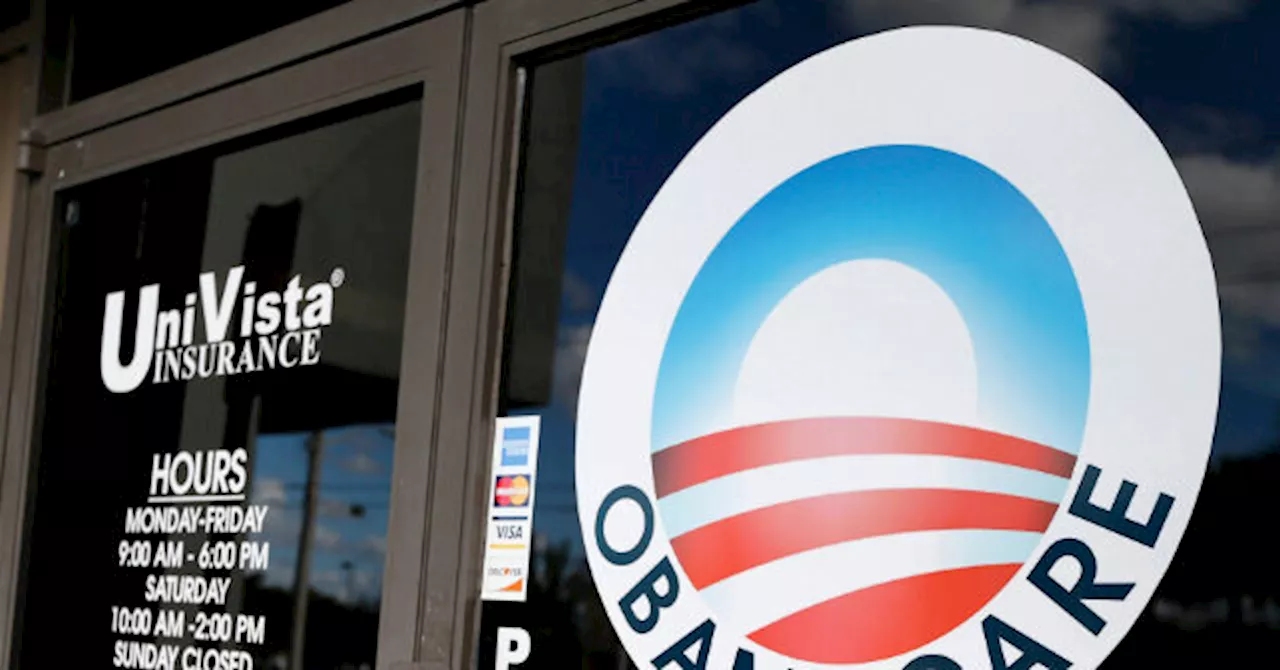
The ACA, commonly referred to as Obamacare, provides crucial financial assistance to millions of Americans. As subsidies expire, there are fears that individuals may be forced to forgo necessary medical care, exacerbating existing health disparities.
Lee’s remarks come amid ongoing debates in Congress about the future of healthcare in the United States. Many lawmakers are advocating for reforms that would establish universal healthcare, which proponents argue would eliminate issues related to insurance coverage and affordability.
In a broader context, the conversation reflects a rising demand for comprehensive healthcare solutions. Representatives like Delia Ramirez are pushing for systemic changes, including initiatives like Medicare for All, to address gaps in coverage and ensure that healthcare is accessible to all citizens.
As the deadline for ACA subsidy expiration approaches, the urgency of these discussions is palpable. With many Americans already facing financial hardships due to rising costs of living, the potential loss of healthcare subsidies could lead to significant health crises for vulnerable populations.
The implications of these policy debates extend beyond political rhetoric; they touch the lives of millions who rely on healthcare support. The outcome of these discussions may ultimately shape the future of healthcare access in the United States, influencing not just legislation but the well-being of countless individuals.
As the situation develops, lawmakers will need to grapple with the pressing need for effective healthcare solutions that prioritize the health and financial security of all Americans.