The holiday shopping season in the United States is facing challenges as tariffs imposed on imported goods lead to uneven price increases and changes in consumer spending habits. Retailers, particularly those relying on overseas products, are adapting to the new economic landscape marked by rising costs and cautious customer behavior.
Impact of Tariffs on Retailers
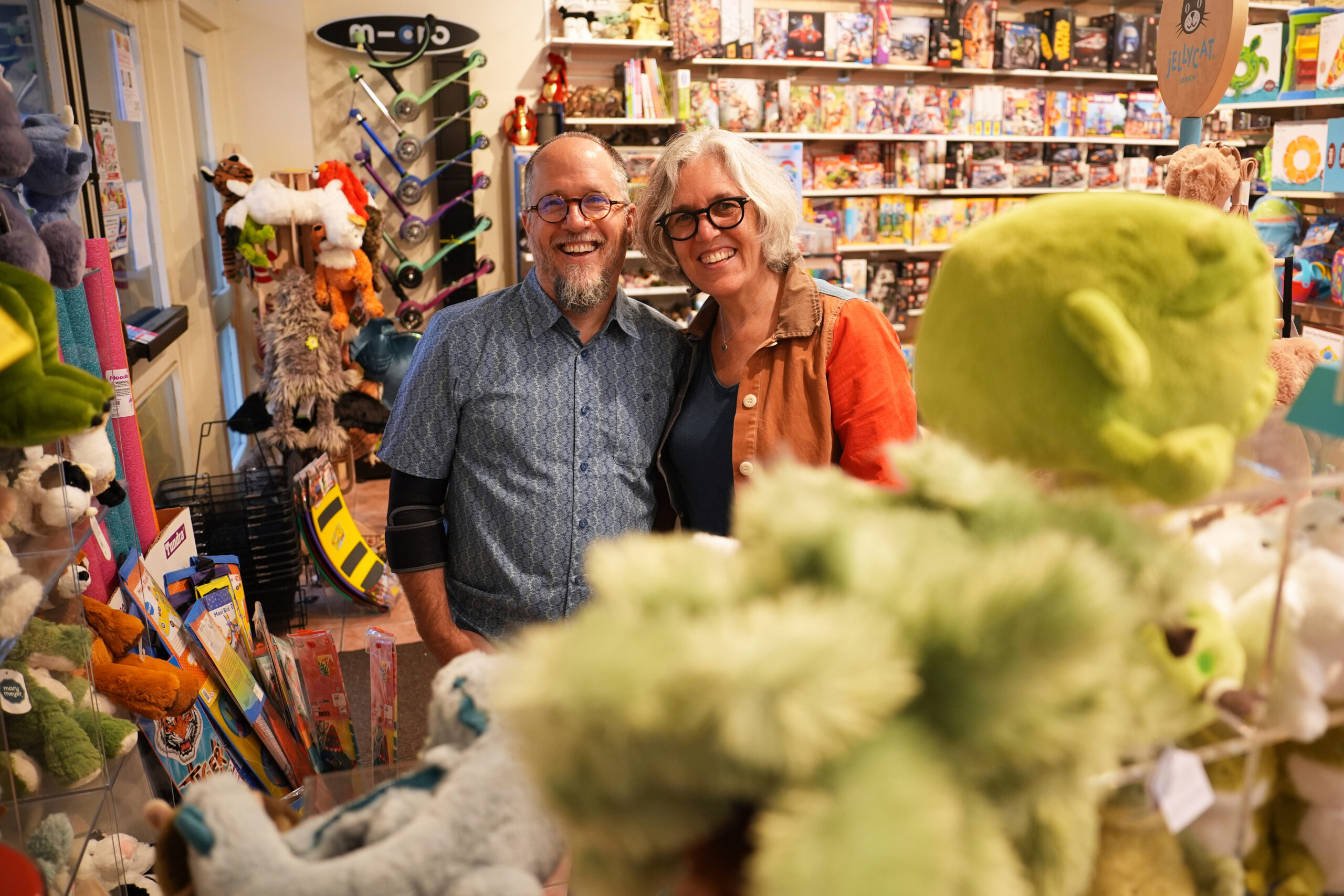
The Ah Louis Store in San Luis Obispo, California, transforms into a festive destination each year, featuring elaborate decorations and a wide selection of holiday gifts. Co-owner Emily Butler noted that this year, her store has had to work harder to convert visitors into buyers, largely due to the tariffs introduced during the Trump administration. Many of the ornaments and gift items sold in the store are imported, and the tariffs have driven up their prices or delayed their arrival.
Butler explained that customers are spending more cautiously this holiday season, often opting for lower-priced items. For instance, shoppers may choose a $100 gift basket instead of a $150 one. “We’re definitely seeing more cautious spending this year,” she said, reflecting a broader trend of reduced consumer confidence amid persistent inflation and slow job growth.
According to a December poll by The Associated Press-NORC Center for Public Affairs Research, a significant number of U.S. adults have noticed rising prices for essential items and holiday gifts. The survey revealed that the average estimated budget for gift purchases dropped by $229 from October to November, marking the largest decline recorded by Gallup at this point in the holiday season.
Variation in Price Increases Across Categories
While tariffs have affected various sectors, the impact has not been uniform. For the toy industry, which relies heavily on imports from China, prices have risen significantly. The Toy Association stated that tariffs on Chinese goods fluctuated dramatically, reaching as high as 145% before stabilizing. Dean Smith, co-owner of JaZams toy stores in New Jersey, reported wholesale price increases of 5% to 20% across his inventory, with certain dolls now costing $30 to $35, compared to $20 to $25 last year.
Consumer electronics, also primarily manufactured in China, have seen price adjustments as a result of tariffs. Best Buy CEO Corie Barry acknowledged in May that the company had to raise prices due to tariffs. However, she emphasized the importance of providing a diverse range of products at varying price points to cater to different customer segments.
In the jewelry market, rising gold prices have played a more significant role than tariffs in pushing up costs. David Bonaparte, president and CEO of Jewelers of America, indicated that while some tariffs on jewelry imports have been reduced, the overall market continues to be influenced by fluctuating gold prices. For example, tariffs on Swiss watches were temporarily set at 39% but were reduced to 15% following negotiations with the U.S. government.
Retailers specializing in holiday decorations are also feeling the pinch. Jeremy Rice, co-owner of House, a home-decor shop in Lexington, Kentucky, reported that his costs have risen due to increased import fees, forcing him to raise prices on popular items like red berry stems from $8.95 to $10.95.
Strategies for Shoppers and Retailers
As consumers look for ways to navigate the higher prices, experts suggest exploring alternative shopping options. John Harmon, managing director at Coresight Research, recommends secondhand stores and discount retailers such as T.J. Maxx, Marshalls, and HomeGoods, which often stock inventory acquired before the new tariffs took effect.
Joe Adamski, senior director at procurement services firm ProcureAbility, highlights that domestically produced items such as books, food, and beverages remain viable gift options that can help mitigate the impact of tariffs on holiday spending.
As the holiday season progresses, retailers are adjusting their strategies to meet shifting consumer preferences while grappling with the effects of tariffs and economic uncertainty. With many shoppers opting for lower-cost items, the landscape of holiday shopping is evolving, reflecting broader trends in consumer behavior and economic conditions.