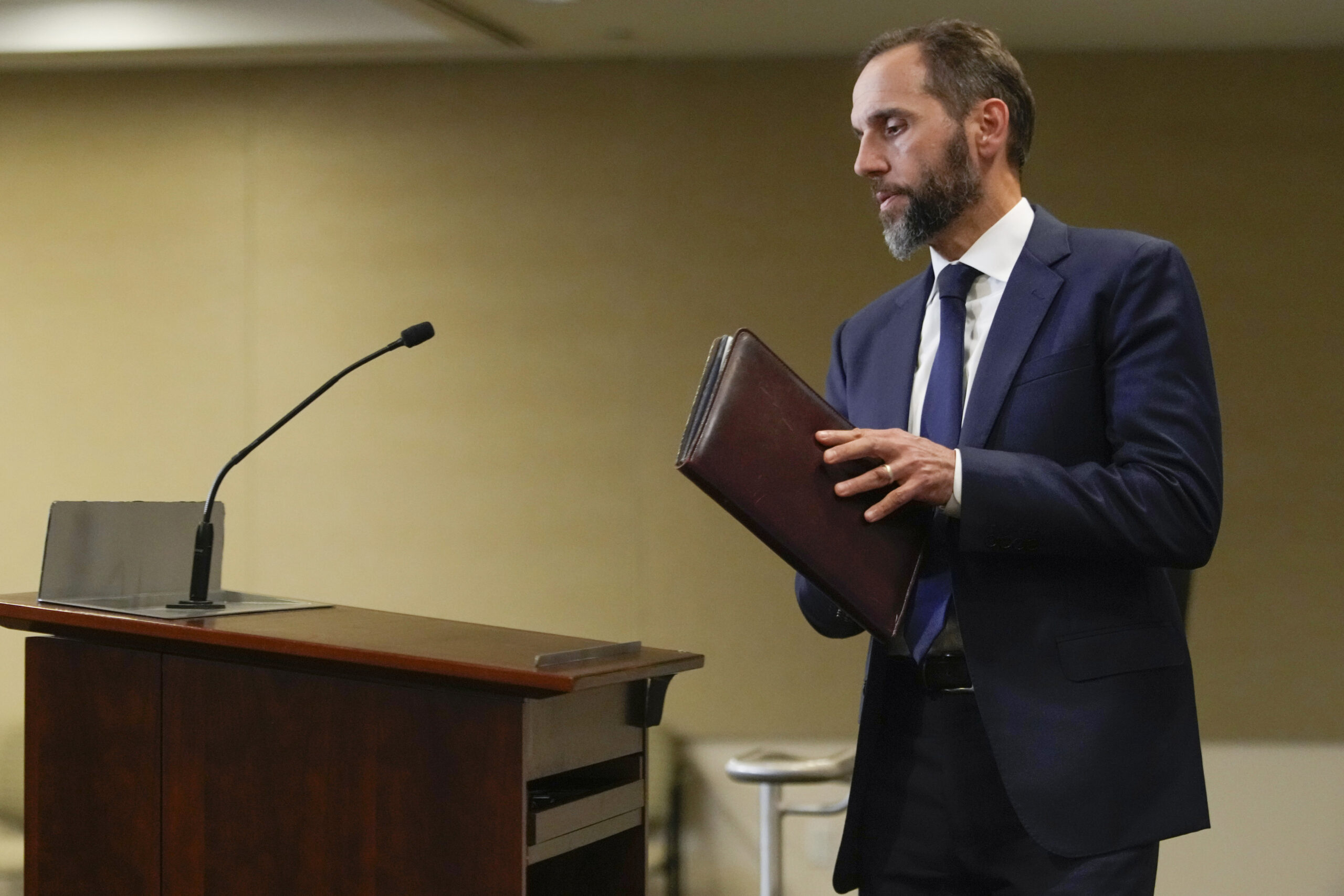
Former special counsel Jack Smith is set to provide testimony to the House Judiciary Committee regarding his investigations into former President Donald Trump. This closed-door session raises questions about the potential implications for both Smith and Trump as the political landscape remains fraught with tension.
The committee’s inquiry is a significant step in understanding the breadth of Smith’s investigations, which include Trump’s actions surrounding the events of January 6, 2021. Smith’s role has been pivotal as he navigates the complexities of legal and political accountability at the highest levels of government.
Potential Risks for Smith and Trump
Smith’s decision to engage with Congress comes with inherent risks. The former special counsel’s testimony may illuminate critical aspects of his investigations, but it also places him in a politically charged environment. Lawmakers are expected to scrutinize not only the findings of Smith’s investigations but also the methods employed during the inquiry.
As he prepares to testify, concerns arise regarding the potential backlash from Trump and his supporters. The former president has consistently dismissed Smith’s efforts as politically motivated, framing them as part of a broader narrative against him. This context amplifies the stakes for Smith, who must balance transparency with the need to protect the integrity of his ongoing investigations.
The House Judiciary Committee has expressed a keen interest in understanding the scope of Smith’s work. This includes insights into the evidence gathered and any potential legal repercussions that may arise as a result.
Congressional Oversight and Accountability
The session is expected to address key issues surrounding accountability and oversight in the political realm. Lawmakers aim to ensure that investigations into former presidents are conducted fairly and transparently, a principle that has been brought into question in recent years.
Smith’s testimony could set a precedent for how future investigations are handled, particularly those involving high-profile political figures. The House Judiciary Committee has emphasized the importance of reinforcing the rule of law, indicating that the outcome of this session could resonate beyond Smith’s current inquiries.
As the date for the testimony approaches, the political environment remains charged. Smith’s appearance before Congress is not only a pivotal moment for his investigations but also a significant event in the ongoing discourse about accountability in American politics.
The implications of Smith’s testimony may extend beyond the immediate findings of his investigations, influencing public perception and potentially impacting future electoral dynamics. The intersection of law and politics continues to evolve, and the forthcoming session is poised to be a crucial chapter in this ongoing narrative.