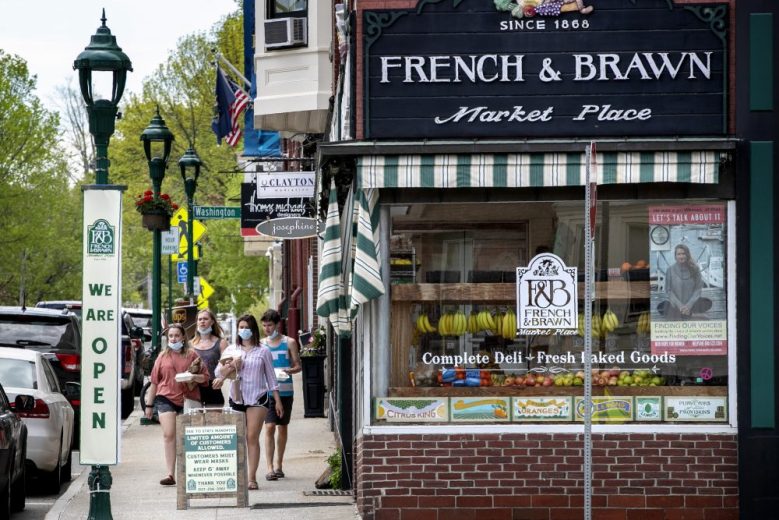
Residents of Maine are increasingly voicing concerns over the need for comprehensive tax reform as local budgets face significant pressures. Counties are proposing substantial budget increases, many exceeding double digits, while voters are rejecting school budgets in communities statewide. These trends indicate a deeper structural issue in the funding of public services across Maine.
Rising Costs and Budget Strains
Counties including Penobscot, Knox, York, and Washington are grappling with sharp increases in expenses. Key drivers include the costs associated with jails, public safety systems, staffing shortages, and inflation. For instance, Penobscot County has reported a significant shortfall due to rising jail costs, while Knox County towns are facing a budget increase nearing 14%. Similarly, Washington County is dealing with the repercussions of years of postponed fiscal decisions, and York County continues to see its operational and personnel expenses rise.
Voter rejection of school budgets has become common, impacting districts both large and small. These votes often occur even in cases where rising costs are tied to special education and transportation—factors that local communities cannot control.
From the perspective of households, these developments are not isolated policy debates. Municipal taxes, county assessments, and school budgets arrive as a single tax bill. When all three increase simultaneously, families feel the strain. The decision to vote down school and municipal budgets serves as a visible protest against rising costs that communities can no longer absorb.
The Need for Comprehensive Tax Reform
This situation highlights a critical issue: Maine’s heavy reliance on property taxes to fund essential services such as local roads, fire departments, and education. These taxes also cover services influenced by state policy, including county jails and courts. As costs rise across all areas—wages, health insurance, utilities, and medical care for inmates—the property tax system bears the entire burden.
Counties have limited options for diversifying their revenue streams and primarily rely on assessments from municipalities. When financial pressures mount, the result is often not gradual adjustment but sudden spikes in tax rates, as currently observed. Federal pandemic relief temporarily alleviated some financial strains, allowing governments to delay tax increases and invest in necessary services. However, as this one-time funding diminishes, inflation remains a persistent challenge, with many deferred costs now becoming permanent.
The Maine Legislature must recognize these warning signs as a call for immediate action. Comprehensive tax reform is essential, which includes shifting a greater share of state-driven costs—particularly related to county jails and court functions—onto stable state funding sources. These expenses should not be funded primarily through local property taxes.
Moreover, enhancing and stabilizing state education funding is crucial to ensure that school budgets are not continually squeezed by escalating municipal and county costs. This stability would support local budget votes and prevent further rejections.
Lastly, modernizing Maine’s revenue structure is vital so that the state’s economic growth can contribute more directly to funding statewide responsibilities. The current property tax framework does not accurately reflect the ability to pay and struggles to adapt to economic changes.
The unified message from counties and school districts across Maine—from Washington County to Knox County, and from Penobscot to York—is clear: the system has drifted out of alignment with economic realities. The time for action is now, as the Legislature must address these funding responsibilities before the system reaches a critical breaking point.