The geopolitical landscape of Libya is shifting dramatically as a rising youth movement seeks to reclaim the country’s constitutional monarchy, coinciding with China’s aggressive expansion in the region. The United States now faces a pivotal opportunity to re-establish its influence in a nation long overlooked by Washington.
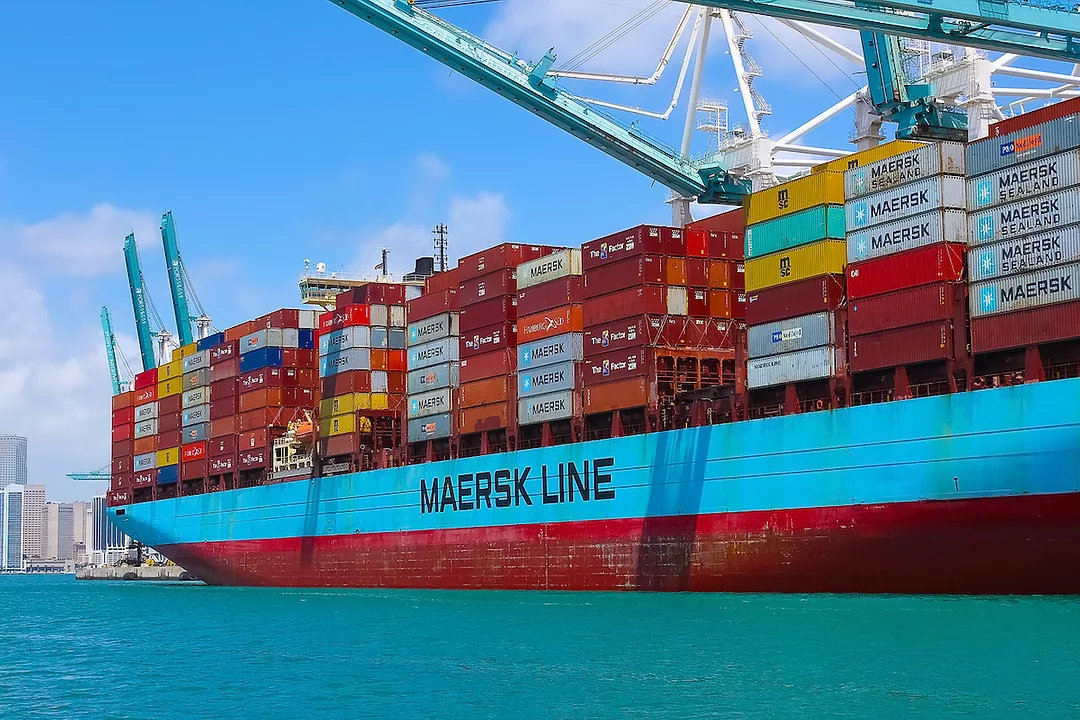
For years, Libya has been perceived by U.S. policymakers as a chaotic and distant concern. However, China has recognized its potential as a strategic hub in North Africa, vital for energy and resources. Over the past two years, Beijing has intensified its efforts in Libya, launching ambitious projects that include a $50 billion development initiative in Tobruk, a $10 billion refinery, and a $20 billion high-speed rail line to Egypt. These plans reflect a comprehensive strategy to establish a foothold that extends into Europe, Africa, and the Middle East.
Historically, Libya held significant importance for the United States. During the Cold War, it was a key partner, with facilities like Wheelus Air Base supporting American military operations. However, after the overthrow of the monarchy by Muammar Gaddafi, Libya has been associated with instability, migration crises, and diminishing U.S. influence.
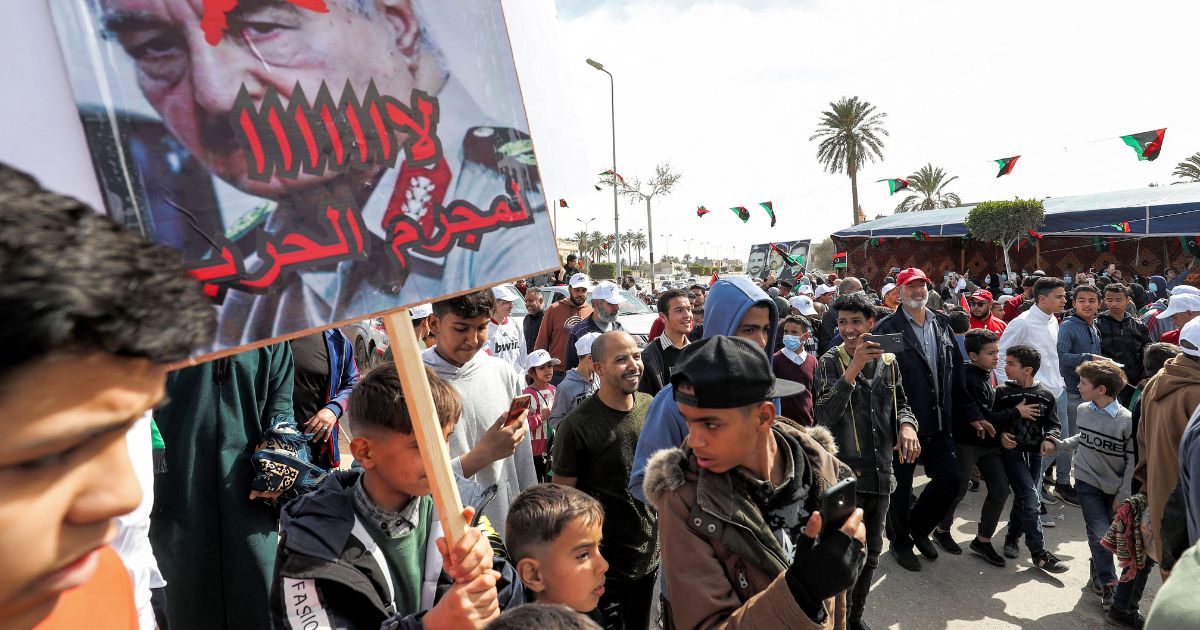
Now, a new dynamic is emerging as nearly 60 percent of Libya’s population—the youth—are mobilizing for political change. They are advocating for the restoration of the 1951 Independence Constitution and the return to the constitutional monarchy under Crown Prince Mohammed El Senussi. This movement is characterized by a desire for unity and effective governance, elements that have been lacking in recent years. Advocates maintain that the 1951 Constitution was never legally annulled, positioning it as Libya’s last valid national framework.
The momentum of this homegrown movement has been bolstered by national dialogues led by Crown Prince Senussi, including gatherings in cities across Europe. These discussions have transitioned back to Libya, igniting political engagement among women, youth, tribal communities, and civil society in cities like Tripoli, Benghazi, and Misrata.
For the United States, the implications of this emerging movement are substantial. Libya is rich in critical mineral reserves, which could significantly decrease U.S. reliance on China. Its position as an energy hub also has the potential to stabilize markets and alleviate inflation pressures. Furthermore, Libya controls vital Mediterranean maritime routes on NATO’s southern flank and holds billions in frozen assets that could aid national recovery.
The U.S. needs to recognize the strategic importance of influencing Libya’s stabilization efforts, especially as the region faces challenges from jihadist groups in the Sahel. By supporting Libya, Washington could disrupt illegal gold smuggling operations benefiting its adversaries, notably Russia.
U.S. Ambassador Tom J. Barrack has highlighted the historical efficacy of benevolent monarchies in providing stability, aligning with a renewed focus on regional partnerships. This perspective is gaining traction as the Biden administration contemplates its approach in Libya, a nation that once served as a cornerstone of American strategy.
China’s rapid advancements in Libya signal a clear understanding of the geopolitical stakes involved. The past 15 years of American disengagement have resulted in a void that Beijing has effectively filled. As the U.S. reassesses its foreign policy, the opportunity to engage with Libya’s youth-led movement may represent a rare second chance to reclaim influence in a critical area.
Failure to act could mean ceding control over a vital geoeconomic corridor that spans from the Mediterranean to the Sahel and the Red Sea. A stable Libya would not only bolster American interests in North Africa but also serve to counterbalance China and Russia on the global stage.
In conclusion, Libya’s youth have presented a unique opportunity for the United States to restore its influence and engage in a meaningful partnership. As the situation unfolds, Washington faces a crucial decision: to embrace this moment and help shape Libya’s future or allow another power to dictate its trajectory. The stakes extend far beyond Libya, impacting broader strategic interests across the Mediterranean, Africa, and the global energy market.