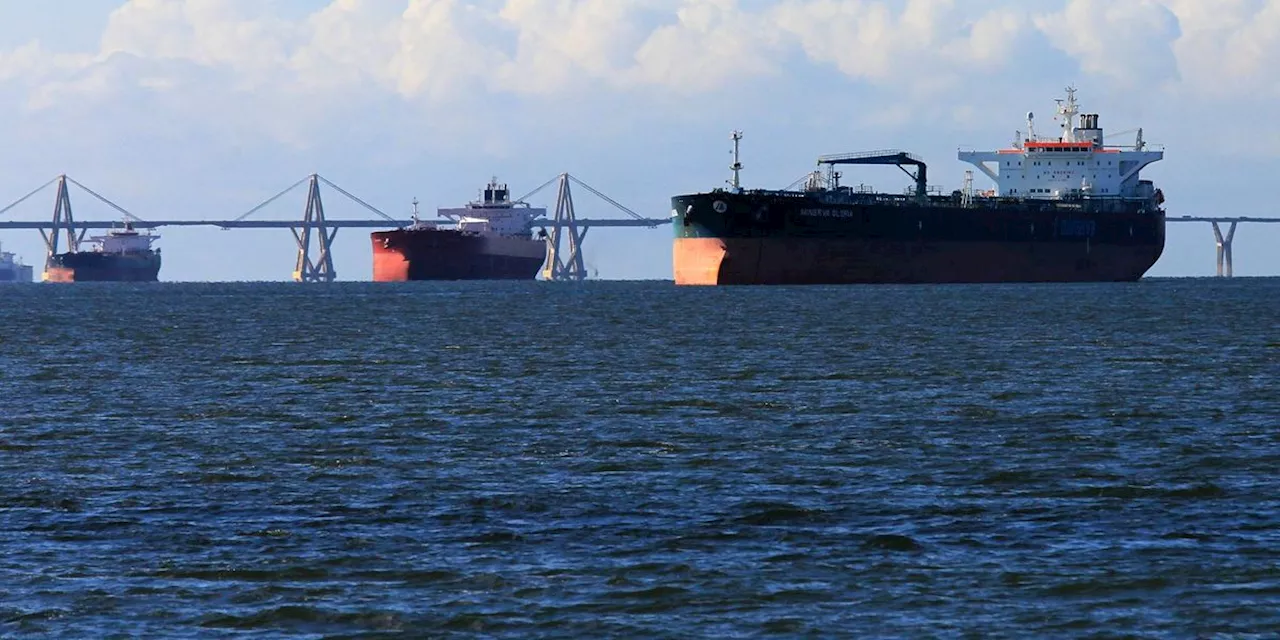
President Donald Trump announced on December 16, 2025, a “total and complete blockade” of oil tankers entering or leaving Venezuela. This declaration, delivered through his personal media platform, described Venezuela as “completely surrounded by the largest Armada ever assembled in the history of South America.” Trump emphasized that this blockade would continue until all Venezuelan “oil, land, and other assets” were returned to the United States. However, this sweeping action raises serious constitutional questions regarding the limits of executive power.
The blockade, which has not received congressional authorization, directly challenges the War Powers Resolution. This 1973 statute was established to prevent unilateral military actions by the President without legislative consent. Historically, prior administrations have opted for sanctions and diplomatic pressure to resolve disputes over foreign resources, while Trump’s approach replaces negotiation with military force.
Under Article I of the U.S. Constitution, the power to declare war and authorize military actions rests solely with Congress. Article II provides the President with the role of Commander-in-Chief but does not extend authority for sustained military operations without congressional approval. The blockade represents a significant breach of this constitutional framework.
Legal and Historical Context of the Blockade
Under both domestic and international law, a naval blockade qualifies as a use of force. It asserts control over international waters and restricts access to maritime commerce by a sovereign state. The blockade announced by Trump is not merely a tactic of foreign policy; it constitutes an ongoing constitutional violation.
Trump’s justification for the blockade—that Venezuela “stole” American oil—lacks historical and legal backing. Venezuela nationalized its oil sector in 1976 with the establishment of Petróleos de Venezuela, S.A. Over the years, foreign firms, including U.S. companies such as ExxonMobil and ConocoPhillips, operated under negotiated agreements. In the early 2000s, Venezuela reasserted control over its resources, transitioning foreign-controlled projects into joint ventures where the state held majority ownership. These actions were legitimate sovereign decisions, not acts of theft.
Disputes arising from these nationalization efforts have historically been resolved through negotiation and arbitration, not military intervention. The U.S. has relied on sanctions and diplomatic channels to address resource disputes in other Latin American countries without resorting to blockades or coercive military actions.
Implications of Military Action
The difference between sanctions and military actions is significant. Sanctions, as enforced by the Office of Foreign Assets Control, regulate economic conduct and do not authorize armed interventions against foreign-flagged vessels on the high seas. While some tanker seizures have occurred under civil forfeiture laws, establishing a systematic maritime blockade represents a troubling escalation to armed coercion.
This situation poses a constitutional crisis. Under the War Powers Resolution, even emergency military deployments must cease within 60 days without congressional approval. The indefinite nature of the blockade, along with its political motivations—linking it to the return of Venezuelan assets—exceeds the legal limits of executive power.
The potential for a President to unilaterally declare and enforce a naval blockade sets a dangerous precedent for the separation of powers in the United States. If such actions can be justified based on economic grievances or political claims, it risks undermining democratic governance. It opens the door for future administrations to employ military force in response to commercial disputes, fundamentally altering international norms and threatening global maritime order.
Path Forward: Lawful and Diplomatic Solutions
Reversing this course remains possible. Solutions grounded in law and historical precedent exist. Congress must reaffirm its constitutional authority, potentially through resolutions like House Concurrent Resolution 64, which would enforce the War Powers Resolution and prohibit unauthorized military actions.
The executive branch should return to lawful enforcement methods, relying on civil forfeiture, targeted sanctions, and international arbitration instead of coercive naval operations. Restoring diplomatic engagement as the primary means of resolving disputes over Venezuela’s resource management is essential. Negotiation, licensing frameworks, and adherence to international claims processes should replace unilateral blockades.
For decades, the United States has prided itself on championing a rule-based international order. This commitment cannot be upheld abroad while it is undermined domestically. The blockade of Venezuelan oil tankers may appear as a demonstration of strength, but it fundamentally erodes the rule of law, constitutional governance, and the balance of powers. If unchecked, it sends a concerning signal that executive overreach has become acceptable, transforming the Constitution from a safeguard into a mere suggestion. Congress, the courts, and the public must demand accountability to ensure that power is exercised within the bounds of the law.