Israel’s Cabinet has approved the establishment of 19 new Jewish settlements in the occupied West Bank, a move that raises significant concerns regarding the viability of a future Palestinian state. The announcement, made by far-right Finance Minister Betzalel Smotrich on Sunday, marks a continuation of a settlement expansion agenda that has seen a total of 69 new settlements approved in recent years, the highest number on record.
These new developments include two settlements, Kadim and Ganim, which were previously dismantled in 2005 as part of Israel’s disengagement plan from Gaza. The recent decision increases the total number of settlements in the West Bank by nearly 50% since the current government took office. According to the anti-settlement watchdog group Peace Now, the number of settlements has surged from 141 in 2022 to 210 following this latest approval.
The expansion comes at a time when the United States is advocating for a new phase in the Gaza ceasefire, which began on October 10, 2023. This U.S.-brokered plan aims to create a potential pathway to a Palestinian state, yet the ongoing settlement activities are perceived as a direct obstacle to this goal. The Cabinet’s decision also included the retroactive legalization of several previously established settlement outposts, which has further complicated the situation.
Settlements, which can vary from single-family homes to larger residential complexes, have drawn widespread criticism as they are largely viewed as illegal under international law. The Israeli government has resettled over 500,000 Jews in the West Bank and more than 200,000 in contested East Jerusalem.
The current government, heavily influenced by far-right elements, has intensified settlement expansion in conjunction with rising tensions. Reports indicate that during the recent olive harvest in October, settlers launched an average of eight attacks per day against Palestinians, the highest frequency recorded since the United Nations began monitoring such violence in 2006. As of late November, the UN documented at least 136 additional attacks.
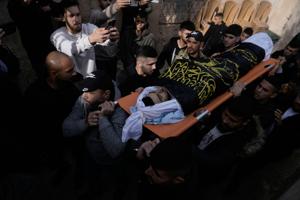
In a related development, the Palestinian Health Ministry reported that two Palestinians, including a 16-year-old, were killed during clashes with Israeli military forces in the northern West Bank on Saturday night. The military stated that one of the deceased was involved in throwing a block at troops, while the other allegedly hurled explosives. The incidents highlight the escalating violence and the ongoing unrest in the region.
In a separate but related event, Cardinal Pierbattista Pizzaballa, the top Catholic leader in the Holy Land, celebrated a pre-Christmas Mass in Gaza, emphasizing the resilience of the Christian community amid ongoing conflict. The Mass took place at Gaza’s only Catholic church, where displaced individuals have sought refuge. During his visit, Pizzaballa expressed hope for a renewed sense of life among the local population despite the hardships they face.
The approval of new settlements not only complicates the geopolitical landscape but also intensifies the humanitarian concerns surrounding the Palestinian population. As the situation continues to evolve, the international community watches closely, with calls for dialogue and a renewed commitment to peace growing ever more urgent.