The evolution of surgical practices during the Renaissance significantly transformed human perceptions of the body and medical interventions. This period marked a shift from traditional noninvasive healing methods to invasive procedures such as amputation, which laid the groundwork for modern medicine and the development of prosthetic limbs. Notably, the American Civil War is often cited as a turning point in amputation techniques and prosthetics, with surgeons performing approximately 60,000 amputations during the conflict.
Interestingly, the true transformation began earlier, in the 16th and 17th centuries, across Europe. Historians like Heidi Hausse from Auburn University highlight how attitudes towards surgical interventions evolved over these two centuries. By the early 1700s, Europeans transitioned from viewing amputation as a last resort to recognizing it as a viable option for reshaping the human body with artificial limbs.
The shift in medical practices was influenced by two major developments: the rise of gunpowder warfare and the invention of the printing press. Gunpowder weapons inflicted severe injuries that often necessitated amputation, creating a dire need for effective surgical responses. Traditional surgery had primarily focused on minor procedures, with major interventions being rare due to the high risk of death. The introduction of firearms changed this dynamic, forcing surgeons to adapt quickly to new types of injuries.
Surgeons began to document their methods and experiences, sharing techniques through published treatises, which facilitated the dissemination of knowledge. These writings often described gruesome surgeries conducted without the benefits of modern anesthetics or sterilization practices. Despite the harsh realities, the underlying rationale was to save lives and, in some cases, to alter the body in a way that allowed for the use of prosthetics.
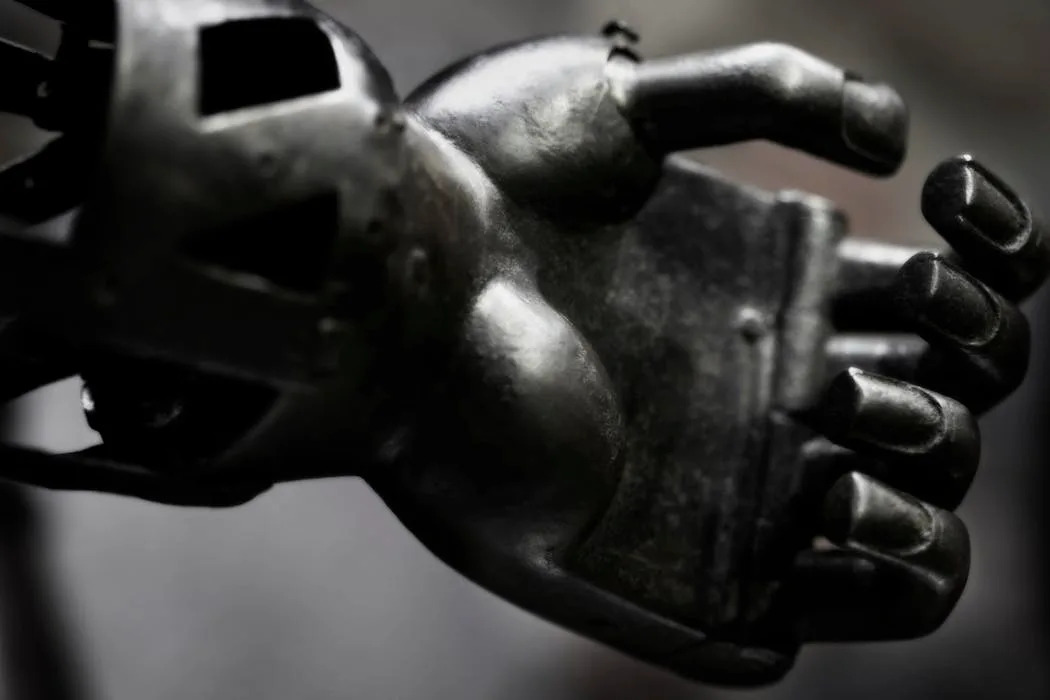
The Renaissance saw not only advancements in surgical techniques but also the emergence of innovative prosthetic designs. Early amputees began collaborating with artisans to create mechanical iron hands, marking a significant milestone in prosthetic technology. These early artificial limbs featured intricate designs, with movable fingers and lifelike details, showcasing the ingenuity of both the makers and the wearers.
Despite the lack of formal training for prosthetists at the time, amputees used their resources to commission personalized prosthetics from craftsmen. The emergence of the iron hand signified a new awareness of the body as malleable. Wearers sought not only functionality but also a means to challenge societal perceptions of disability.
Iron hands became symbols of resilience and creativity. They prompted surgeons to consider the placement and utility of prostheses during operations, fostering an optimistic view of what could be achieved through surgery. The cultural significance of these devices extended beyond functionality; they represented a radical rethinking of the body and its potential.
Historical figures like Götz von Berlichingen, a 16th-century knight known for his iron hand, exemplified this changing narrative. While traditional narratives often romanticize the use of prosthetics by warriors, research indicates that many wearers were not knights but everyday individuals who defied stereotypes through their innovative adaptations.
Today, the legacy of these early interventions is evident in modern medicine, where the idea of enhancing the human body through surgical means is widely accepted. The advancements made during the Renaissance laid the foundation for contemporary practices, including joint replacements and advanced prosthetic technology.
As we reflect on this transformative period, it is essential to recognize the collaborative efforts of surgeons, amputees, and artisans. Their combined ingenuity and willingness to experiment paved the way for a future where the human body could be reshaped, redefined, and improved with the aid of technology. This history enriches our understanding of how far we have come and informs ongoing discussions about the ethics and possibilities of modern medicine.
This article draws on research conducted by Heidi Hausse and is published by The Conversation, a nonprofit organization dedicated to providing reliable analyses of complex topics.