Researchers at the University of York have harnessed robotic technology to accelerate antibiotic discovery, generating over 700 metal compounds in just one week. This groundbreaking achievement addresses the urgent global challenge of antibiotic resistance, which claims more than one million lives annually. The automated system, which combines robotics with a method known as “click” chemistry, has the potential to transform the pharmaceutical landscape.
The study highlights a shift away from traditional antibiotic development methods, which are often slow and labor-intensive. Under the leadership of Dr. Angelo Frei, the team focused on metal-based compounds, a category often overlooked due to concerns regarding toxicity. By employing a robotic synthesis platform, researchers compressed months of painstaking laboratory work into days, significantly speeding up the discovery process.
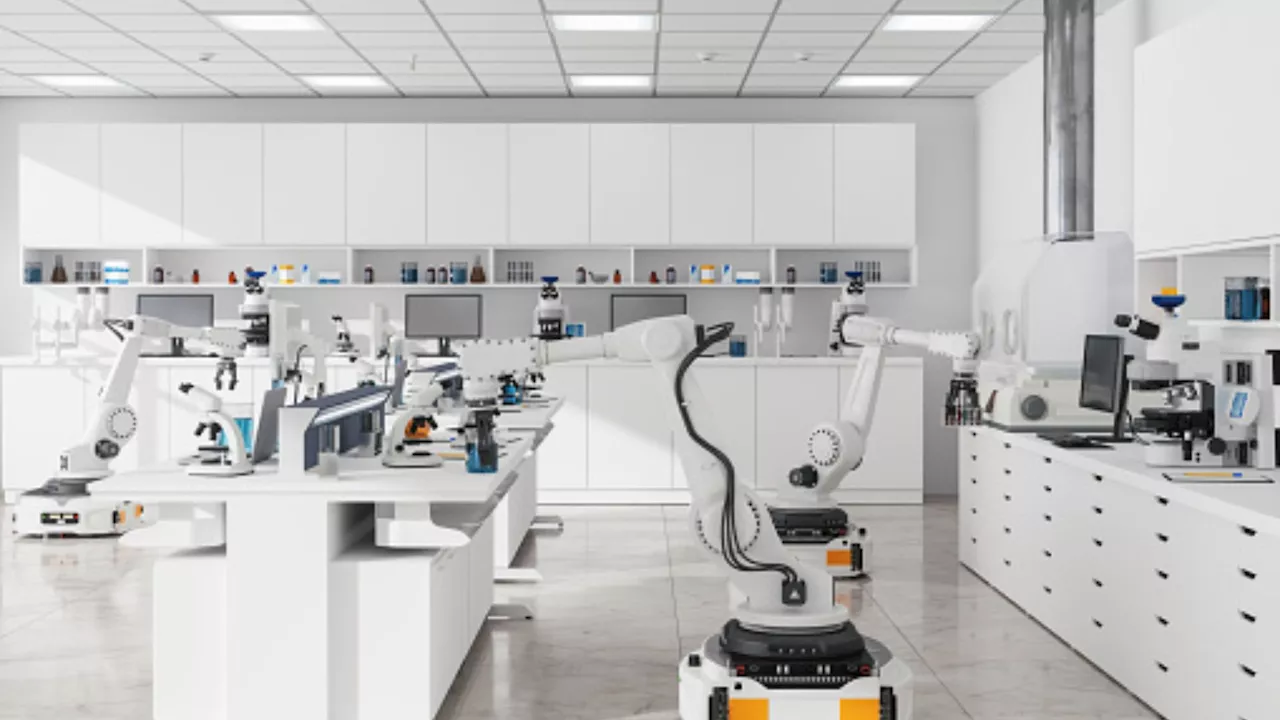
At the core of this advancement is an automated system capable of synthesizing and testing multiple compounds simultaneously. Postdoctoral researcher Dr. David Husbands used the platform to combine nearly 200 different ligands with five metals, successfully creating a diverse array of metal complexes. This efficiency not only enhances the scope of exploration in drug discovery but also reduces costs, making the pursuit of new antibiotics more appealing to pharmaceutical companies.
After synthesizing the compounds, the research team screened them for antibacterial properties, identifying six candidates with promising potential. Among these, one iridium-based complex emerged as particularly noteworthy, demonstrating strong antibacterial activity against strains similar to MRSA while showing minimal toxicity to human cells. This result suggests a high therapeutic index, making it an exciting candidate for further development.
Metal complexes present unique advantages over conventional antibiotics. Unlike traditional carbon-based molecules, these three-dimensional structures can interact with bacteria in innovative ways, potentially circumventing existing resistance mechanisms. Dr. Frei emphasized the urgency of this research, stating, “The pipeline for new antibiotics has been running dry for decades. We have to think differently.” He added, “By combining smart ‘click’ chemistry with automation, we have demonstrated that we can explore vast, untapped areas of chemical space at unprecedented speed.”
The findings, published in the journal Nature Communications, also challenge longstanding assumptions about the safety and efficacy of metal-based drugs. Data from the Community for Open Antimicrobial Drug Discovery indicates that these metal complexes may have a higher success rate for antibacterial activity without the toxicity commonly associated with standard organic molecules.
Beyond antibiotics, the implications of this research extend into other fields. The rapid synthesis platform could be adapted to discover new catalysts for various industrial processes, broadening its impact beyond biomedical science. The research team is now investigating the mechanisms by which the iridium compound attacks bacteria and plans to expand the robotic system to explore additional metals and applications.
This innovative approach signifies a promising step forward in the ongoing battle against antibiotic resistance, demonstrating that technology can play a pivotal role in addressing one of the most pressing health challenges of our time.