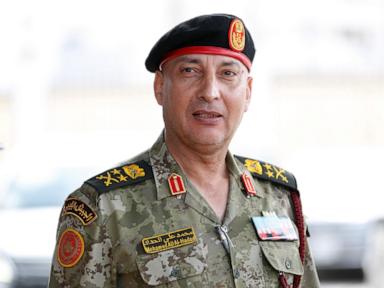
Search and recovery teams intensified their operations on March 12, 2024, at the site of a plane crash in Turkey that resulted in the deaths of Libya’s military chief, Gen. Muhammad Ali Ahmad al-Haddad, along with seven other officials. The private jet, which took off from Ankara, went down shortly after reporting a technical malfunction. All aboard perished in the accident.
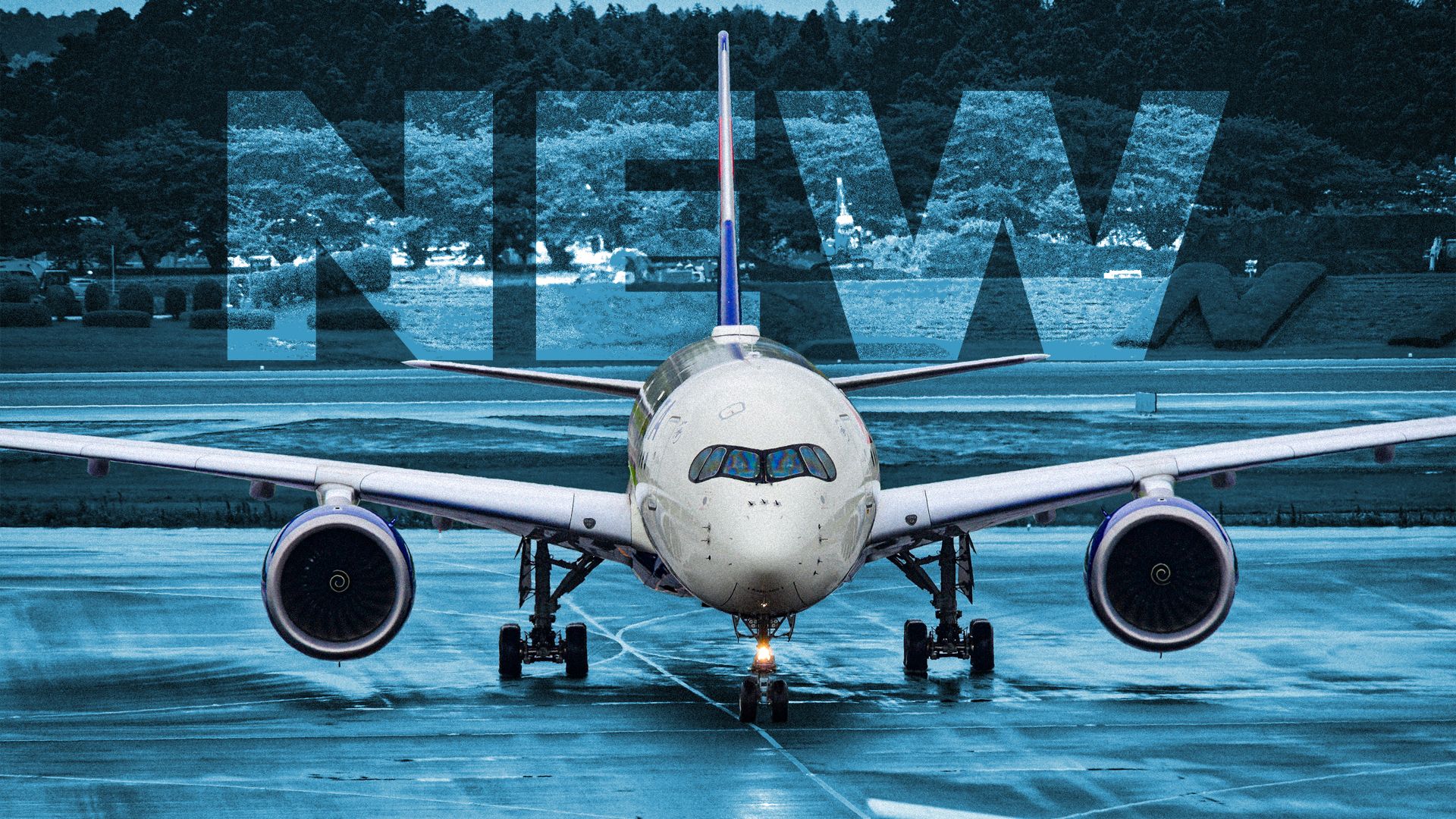
The Falcon 50 business jet, carrying Gen. al-Haddad, four other military officers, and three crew members, crashed approximately 70 kilometers south of Ankara, near the village of Kesikkavak. Reports indicate that contact was lost around 40 minutes after takeoff from Esenboga Airport. The aircraft had communicated an electrical fault to air traffic control and requested an emergency landing.
Details of the Crash
According to Turkey’s state-run news agency, heavy rain and fog complicated the search efforts. The Turkish disaster management agency, AFAD, established a mobile coordination center at the crash site, where gendarmerie police secured the area. Specialized vehicles were deployed due to the challenging muddy terrain.
The Libyan delegation was returning to Tripoli after high-level defense discussions in Ankara, which aimed to enhance military cooperation between Libya and Turkey. The officials who lost their lives alongside Gen. al-Haddad included Gen. Al-Fitouri Ghraibil, head of Libya’s ground forces, Brig. Gen. Mahmoud Al-Qatawi, who led the military manufacturing authority, Mohammed Al-Asawi Diab, an advisor to the chief of staff, and Mohammed Omar Ahmed Mahjoub, a military photographer.
Reactions and Investigation
Libyan Prime Minister Abdul-Hamid Dbeibah confirmed the tragic event on social media, calling it a “great loss” for the nation. The Libyan government is expected to send a team to Ankara to collaborate with Turkish authorities in the ongoing investigation. Turkish Interior Minister Ali Yerlikaya is also anticipated to visit the crash site, along with prosecutors assigned to lead the inquiry.
The crash comes at a time of increased military cooperation between Turkey and Libya, particularly following a recent decision by the Turkish parliament to extend the mandate of Turkish troops in Libya for an additional two years. Turkey has maintained an alliance with Libya’s western government while also seeking to improve relations with the eastern-based administration.
The incident underscores the political complexities that have persisted in Libya since the 2011 uprising that ousted longtime dictator Moammar Gadhafi. The country remains divided, with rival administrations and numerous militias vying for power.
As search teams continue their work, the focus now shifts to determining the precise cause of the crash and the implications for Libya’s military leadership during this critical juncture.