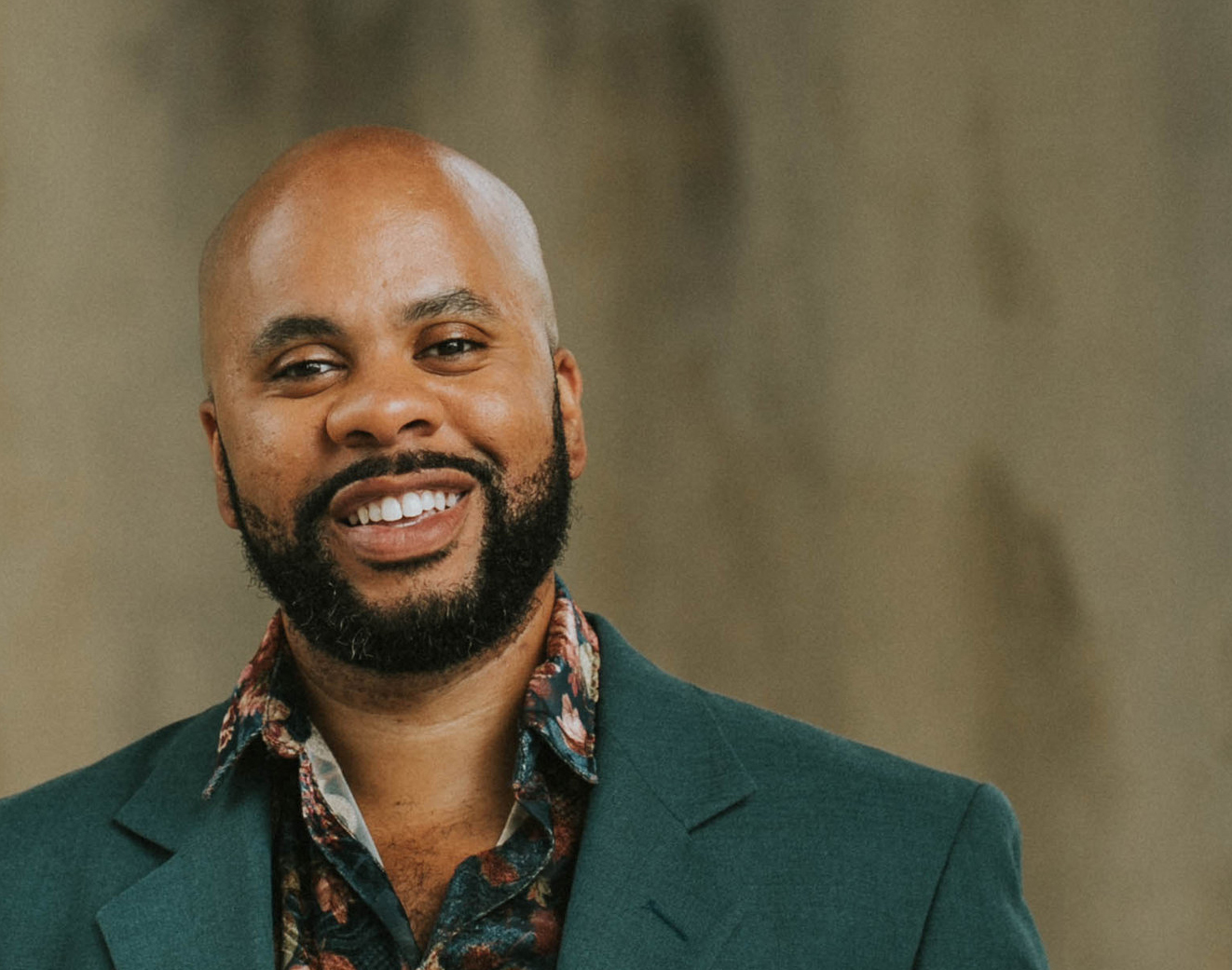
UPDATE: Nobel Prize-winning physicist Saul Perlmutter issued a stark warning about the dangers of artificial intelligence (AI) in a podcast episode with Nicolai Tangen, CEO of Norges Bank Investment Group, on Wednesday. Perlmutter emphasizes that while AI can be a powerful tool, it risks undermining human judgment by creating a false sense of understanding.
In his urgent message, Perlmutter highlighted that AI’s confident outputs can mislead users, making them feel informed when they are not. This psychological danger, he argues, becomes especially concerning as AI becomes more integrated into daily life and education. “The tricky thing about AI is that it can give the impression that you’ve actually learned the basics before you really have,” Perlmutter stated.
As AI tools proliferate, Perlmutter urges users to approach AI outputs with skepticism, advocating for a mindset that treats AI as a supportive tool rather than a replacement for critical thought. He underscores the importance of error-checking and weighing the credibility of AI responses, similar to how scientists validate their findings. “Many of these concepts are just tools for thinking about where we are getting fooled,” he explained.
At UC Berkeley, where Perlmutter teaches, he and colleagues have developed a critical-thinking course that emphasizes scientific reasoning, probabilistic thinking, and skepticism. This course aims to equip students with the skills needed to effectively use AI without falling prey to its deceptive confidence. “I’m asking the students to think very hard about how would you use AI to make it easier to actually operationalize this concept,” he said.
Perlmutter’s insights come at a crucial time when AI tools are rapidly evolving. He warns that users must continually evaluate whether these technologies are enhancing their understanding or leading them astray. “AI will be changing, and we’ll have to keep asking ourselves: is it helping us, or are we getting fooled more often?” he cautioned.
As the conversation around AI intensifies, it is essential for individuals to develop AI literacy and remain vigilant against over-reliance on technology. Perlmutter’s message serves as a timely reminder that critical thinking remains paramount in an increasingly automated world. As AI continues to permeate various sectors, the call for skepticism and informed engagement could not be more urgent.
Stay tuned for more updates on this developing story as the implications of AI in our lives unfold.