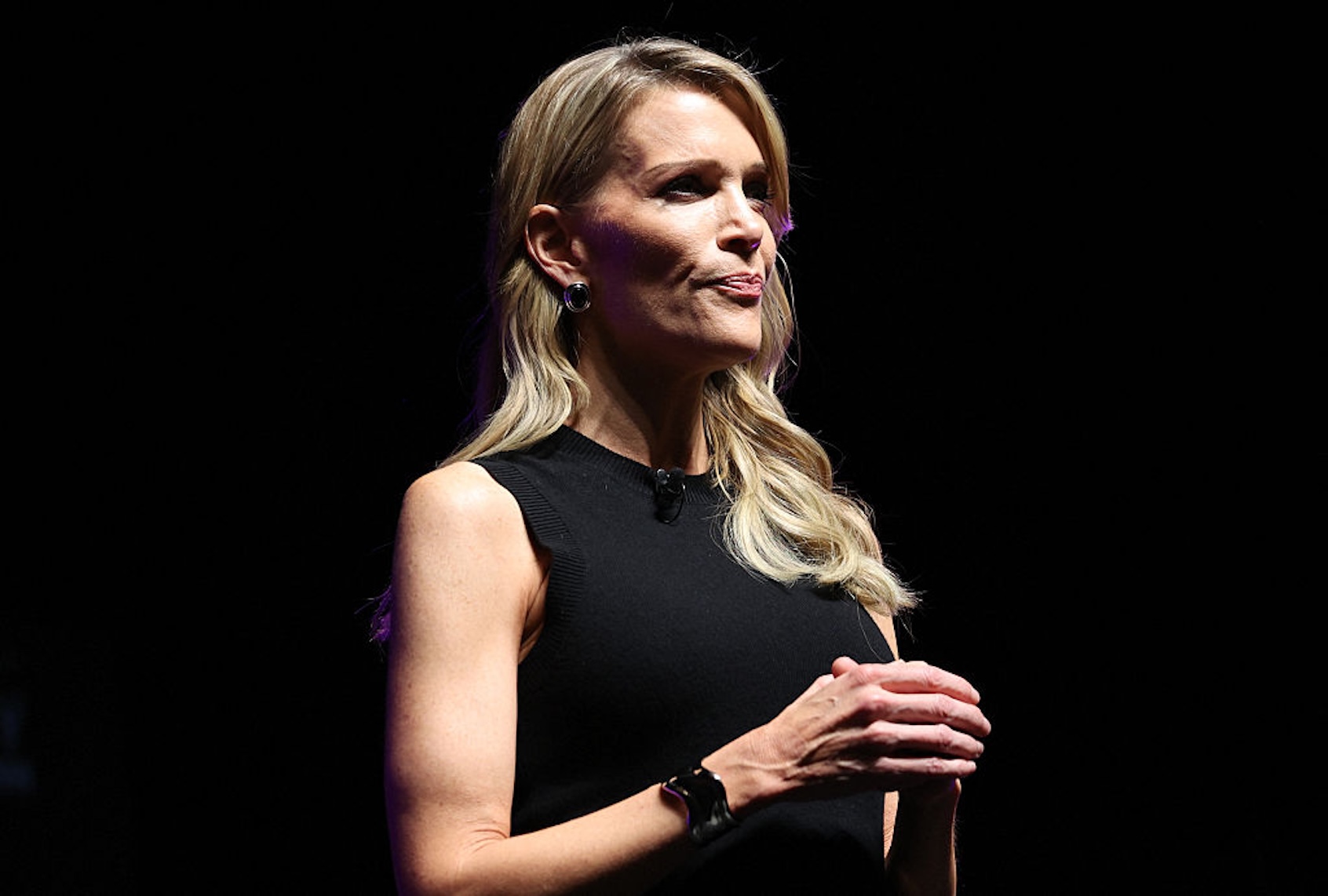
Megyn Kelly has ignited a significant controversy within conservative circles, emerging as a central figure in a heated dispute among right-wing commentators. This tension escalated during the recent AmericaFest event held at the Phoenix Convention Center, an occasion that was meant to honor the late Charlie Kirk, founder of Turning Point USA (TPUSA). The gathering quickly devolved into a platform for infighting, exposing deep rifts within the conservative movement.
This conflict has its roots in remarks made by Donald Trump, who previously suggested that Kelly was “making a career by pretending she likes me.” The underlying fractures in the right-wing coalition became evident when various personalities began publicly attacking one another, particularly over sensitive topics such as antisemitism and conspiracy theories.
At AmericaFest, Candace Owens, a former TPUSA staff member, pushed a controversial theory implying that Kirk’s assassination was orchestrated by individuals close to him. Kelly, in a surprising turn, defended Owens from the stage, stating she welcomed inquiries about potential Israeli involvement in Kirk’s death. This defense drew sharp criticism from fellow conservative commentator Ben Shapiro, who expressed his disapproval of Kelly’s stance.
The infighting underscores a broader struggle within the Republican Party, particularly among factions that are reassessing traditional alliances. The MAGA movement has been characterized by its populist rhetoric, yet it has paradoxically attracted a more diverse voter base, including Jewish, Latino, and Black individuals. This dynamic complicates the narrative of a unified conservative front often framed around shared grievances against the left.
As tensions mounted, the Anti-Defamation League intervened, stating that Kelly’s remarks “cross a dangerous line.” This intervention highlights the growing concern over the normalization of antisemitic sentiments within segments of the right. Kelly, in a follow-up interview, accused Shapiro and fellow conservative Bari Weiss of fostering antisemitism through their support for Israel, framing her critiques as necessary truths rather than personal attacks.
In discussing the implications of this feud, political analyst Frank Luntz noted Kelly’s previous praise for Weiss, suggesting that the ongoing conflicts reflect deeper ideological shifts within the party. Kelly’s remarks indicate her strategic pivot towards a more radicalized audience, one that increasingly embraces conspiracy theories and rejects established norms.
As she navigates this contentious landscape, Kelly’s podcast continues to gain traction, signifying her ability to resonate with those who view mainstream narratives with skepticism. Her comments suggest a willingness to adopt more extreme positions to maintain relevance in a rapidly changing conservative climate.
This ongoing struggle within the Republican Party not only reveals the fractures among its leaders but also poses questions about the future direction of American conservatism. The realignment away from traditional conservative values towards a more populist and nationalistic agenda is evident in the rhetoric and actions of key figures like Kelly.
The implications of this feud extend beyond personal rivalries; they reflect a transformative moment for the Republican Party, as factions vie for control and influence. As Kelly continues to stake her claim in this evolving landscape, the essential question remains—how will her audience respond to her provocative statements and the shifting dynamics within the conservative movement?