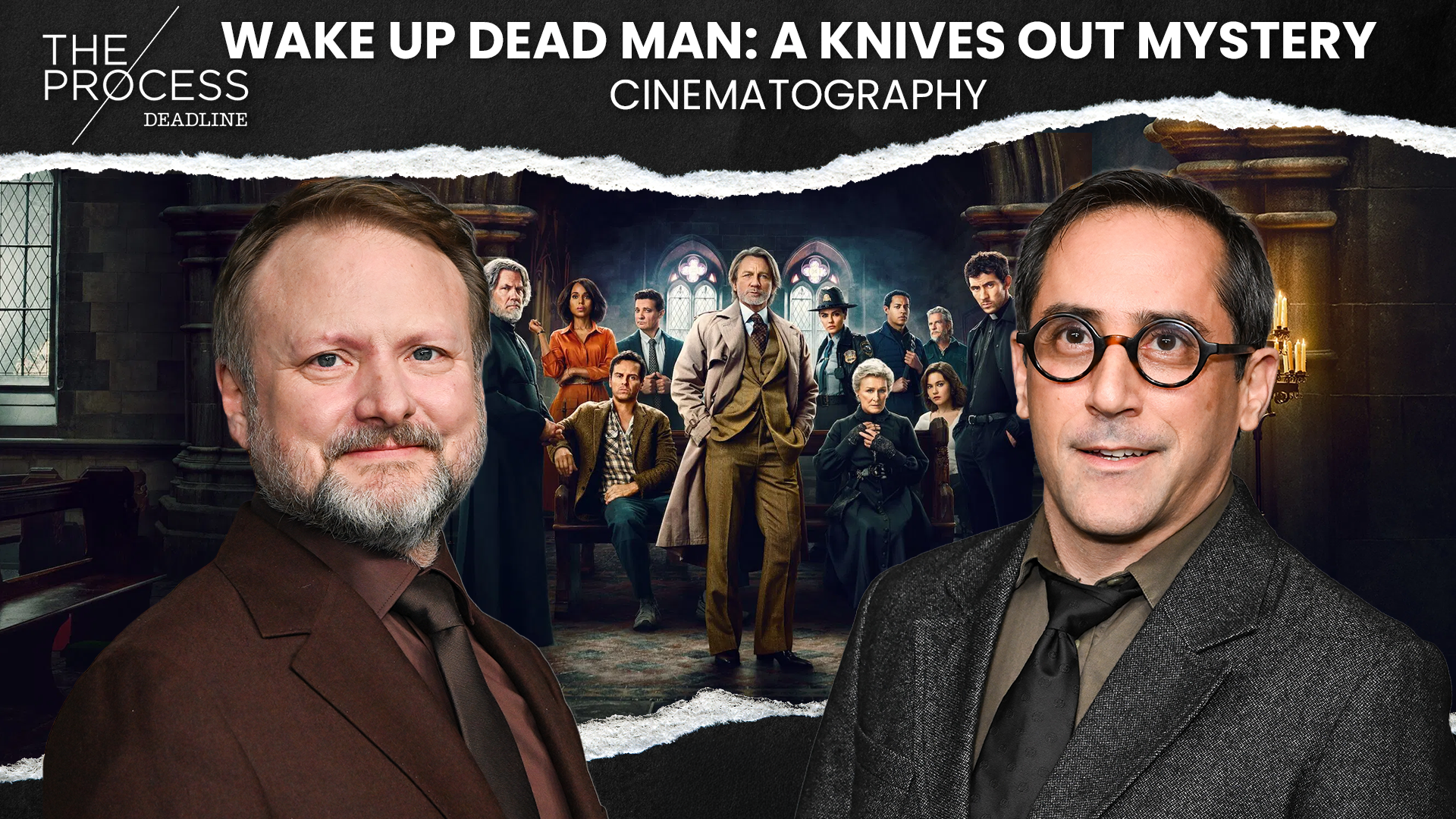
The upcoming film Wake Up Dead Man, the third installment in Rian Johnson‘s acclaimed Knives Out series, is poised to deliver a distinctive gothic atmosphere. Johnson emphasizes that the film features “a different tone and palette,” marking a notable shift from its predecessors. This change in aesthetic was largely achieved through innovative lighting techniques, a collaboration between Johnson and cinematographer Steve Yedlin.
Yedlin highlights that this project is “more of a lighting movie than a camera movie,” indicating that the emphasis is on the manipulation of light to create mood rather than solely focusing on camera techniques. Early in the creative process, Yedlin envisioned a dynamic interplay of light, where natural shifts would enhance the storytelling. “We feel the clouds coming in front of the sun and all these different changes within scenes,” he explains.
The film’s setting, which incorporates elements of the Catholic Church, plays a crucial role in how light is utilized. The filmmakers often backlight characters during moments of clarity, while shadows loom larger in scenes of despair. Johnson reflects on his childhood in Colorado, where the rapidly changing weather would dramatically alter indoor lighting. He notes, “It would be like God turned the lights out and just things go from very sunny to very dark,” underscoring the intention of using these natural shifts to evoke a theatrical realism rarely seen in contemporary cinema.
Innovative Lighting Techniques
One of the film’s most striking scenes involves a conversation between Detective Blanc, portrayed by Daniel Craig, and Father Jud, played by Josh O’Connor. Yedlin describes how the sun breaking through during their discussion about faith creates an impactful visual moment: “The sun coming out behind Jud during his speech… That one came out so pointed.”
In contrast, another scene employs strobe lighting to evoke a sense of chaos and unease. Johnson characterizes this segment as a “freak out sequence” designed to create a nightmarish effect. He recalls the excitement of working with Yedlin, who rigged the strobe lights to be controlled like a video game. “I’d start mashing buttons and then realize certain combos could do certain things,” Johnson shares, highlighting the playful experimentation that characterized their collaboration.
Yedlin articulates the balance they sought to achieve in their lighting approach. “What we’re trying to do is have it feel really big and theatrical,” he explains, noting that the shifts in light should evoke real atmospheric conditions rather than appearing artificial. Their goal was to reflect various times of day and weather conditions within the church, creating a rich tapestry of visual storytelling.
As anticipation builds for Wake Up Dead Man, audiences can look forward to a film that not only explores complex themes but also pushes the boundaries of traditional cinematography through its innovative use of natural light. The collaboration between Johnson and Yedlin promises a captivating experience that merges narrative depth with striking visual artistry.
For more insights into the film and its creative process, viewers can access the full conversation on Deadline.