A significant reshaping of the political landscape is underway as a record number of Republican lawmakers prepare to leave Congress before the 2026 elections. Currently, a total of 55 members, including 11 senators and 44 House representatives, have announced their departures. This trend reflects a growing dissatisfaction among lawmakers from both major parties, many of whom are opting not to seek re-election.
Among the 55 members planning career transitions, 27 are retiring, while others are pursuing higher office. Notably, 14 representatives are running for governor, with 10 of those being House Republicans. An additional 13 representatives are setting their sights on the Senate. One prominent example is Rep. Chip Roy from Texas, who is running for state attorney general, according to NPR’s tracker.
This wave of departures comes as the Republican Party faces slim margins in the House, compounded by a decline in support for former President Donald Trump. His approval ratings, particularly concerning the economy and immigration, have seen significant drops. The midterm elections have historically posed challenges for the party in power, and recent trends indicate that the GOP may face further difficulties in the upcoming electoral cycle.
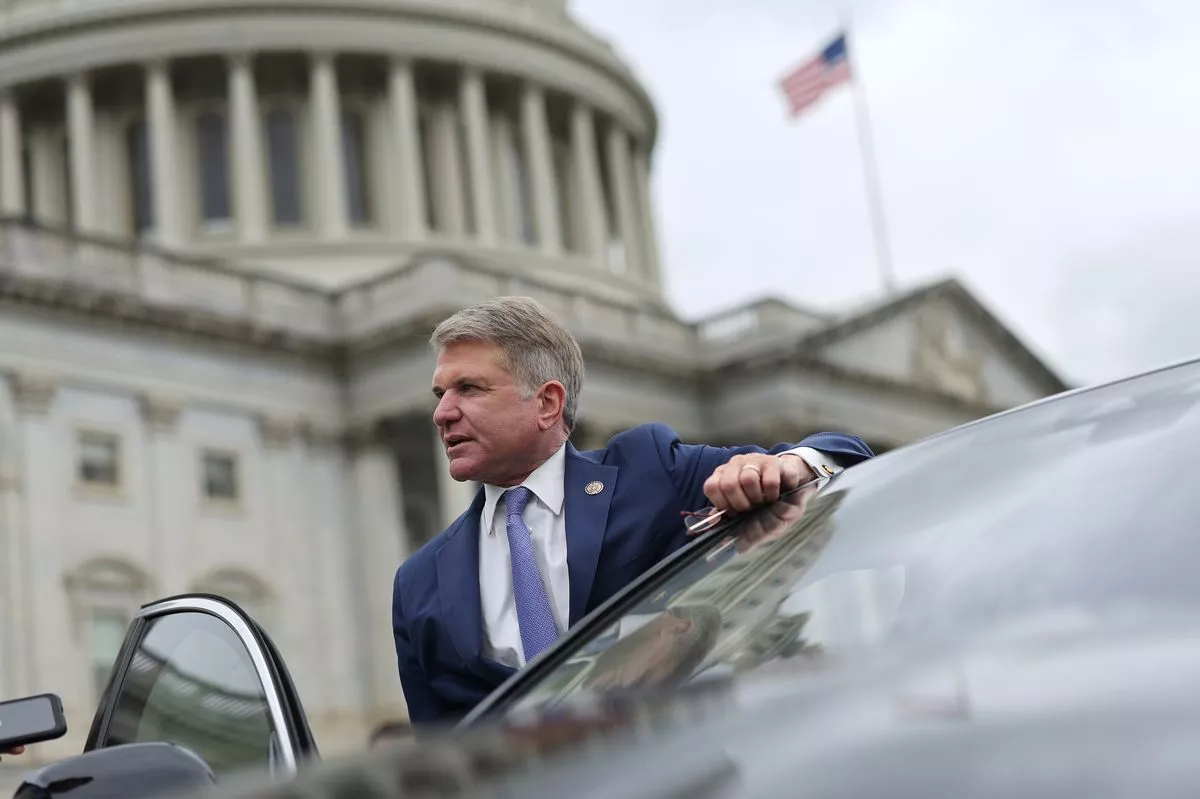
Growing frustration with partisan gridlock has influenced many lawmakers’ decisions to leave. Rep. Michael McCaul (R-Texas), who has served in Congress for two decades and chaired the House Homeland Security and Foreign Affairs Committees, expressed his concerns about the increasingly toxic environment. “The level of partisanship, rancor, vitriolic debate, demonizing the other side of the aisle… and just the overall toxic environment,” he stated in an interview with CNN.
An anonymous Republican lawmaker echoed these sentiments, noting that the dysfunction within Congress can often “suck a lot of the life out of you.” The cumulative effect of these pressures has made the prospect of continuing in their roles less appealing for many.
On the other hand, several lawmakers are seizing opportunities to elevate their political careers. Rep. Tom Tiffany (R-Wis.) is leaving his position to run for governor, believing he can effect more meaningful change in that role. “I just think that I’ll have more impact as a chief executive versus being a legislator,” he explained to CNN. His focus is clear: “Where can I do the most good for the people in the state of Wisconsin? And I believe that it is as governor.”
As these lawmakers transition out of their current positions, the implications for the Republican Party are profound. With the upcoming elections in 2026, the loss of experienced members could reshape the party’s strategy and influence in an already challenging political climate. The potential for new leadership may offer fresh perspectives, but it also raises questions about the continuity of established agendas and the ability to navigate a divided Congress moving forward.
As the political landscape evolves, the impact of these departures will be closely watched, with the next election cycle promising to be one of the most significant in recent memory.