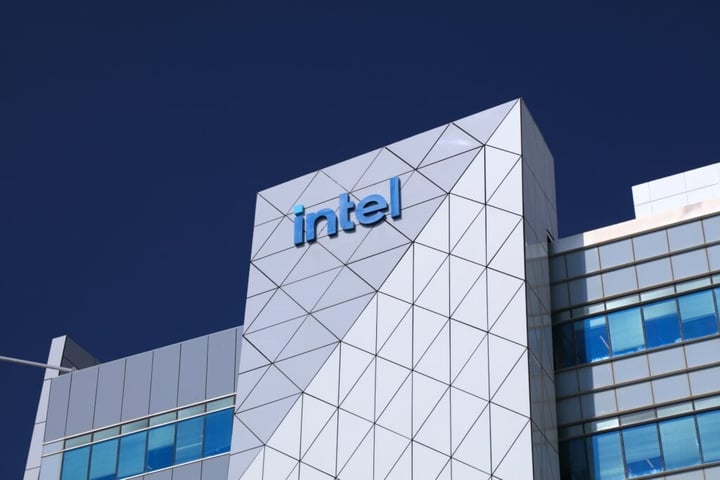
Intel Corp’s CEO, Lip-Bu Tan, has identified 2025 as a crucial year for the company, highlighting significant developments in artificial intelligence (AI) funding and a remarkable stock increase of approximately 79%. His comments reflect a transformation within the chipmaker, despite ongoing political scrutiny.
In a message shared on X, Tan described 2025 as a “defining year” for Intel, attributing this sentiment to internal changes and a renewed focus on performance. He expressed gratitude for the support from Intel employees, stating that they have rallied behind the vision of a “New Intel.” Tan assumed leadership in March 2025, during a transformative period for the company, and emphasized the importance of execution discipline and customer confidence.
Tan’s leadership has been instrumental in Intel’s renewed strategy towards AI. His venture capital background has facilitated significant funding, with $5 billion secured from Nvidia Corp and $2 billion from SoftBank Group. These investments are pivotal for strengthening Intel’s financial position as it aims to enhance its competitiveness in AI chips and advanced manufacturing.
Despite these achievements, Tan’s tenure has faced challenges, particularly concerning political issues. Earlier this year, it was revealed that venture firms associated with Tan held interests in numerous Chinese companies, some with alleged military connections. This led to public calls from former President Donald Trump for Tan’s resignation, labeling him “highly conflicted.” Following a meeting in the Oval Office, the White House indicated that Tan addressed these concerns, enabling ongoing collaboration on U.S. economic and national security matters.
The administration has also restructured previous funding from the CHIPS Act into a $5.7 billion equity investment, acquiring a 10% ownership stake in Intel. This unique arrangement aims to prevent the potential breakup of Intel’s struggling foundry division. Under this agreement, the government also received a five-year option to purchase an additional 5% stake at $20 per share if Intel’s ownership of the foundry business falls below 51%.
Additionally, the company has recently faced legal challenges. The Taiwan Semiconductor Manufacturing Company (TSMC) has filed a lawsuit against former executive Wei-Jen Lo, who joined Intel after spending 21 years at TSMC. The lawsuit alleges that Lo breached non-compete and non-disclosure agreements by potentially leaking sensitive AI chip trade secrets. Taiwanese authorities are currently investigating these claims, although Intel has denied any wrongdoing.
In terms of financial performance, Intel reported third-quarter revenue of $13.65 billion, surpassing Wall Street expectations of $13.14 billion. The company also posted adjusted earnings of 23 cents per share, significantly higher than analyst forecasts of 1 cent per share. Overall, revenue increased by 3% year over year during the quarter, demonstrating a resurgence in investor confidence.
As of now, Intel shares have surged nearly 79.03% year-to-date, reflecting a strong outlook among investors. Despite a challenging short-term performance, analysts from Benzinga Edge Stock Rankings indicate a positive medium to long-term trajectory for the company.
As Intel navigates this critical period, the combination of strategic funding, operational adjustments, and ongoing legal challenges will significantly impact its future direction in the highly competitive semiconductor landscape.