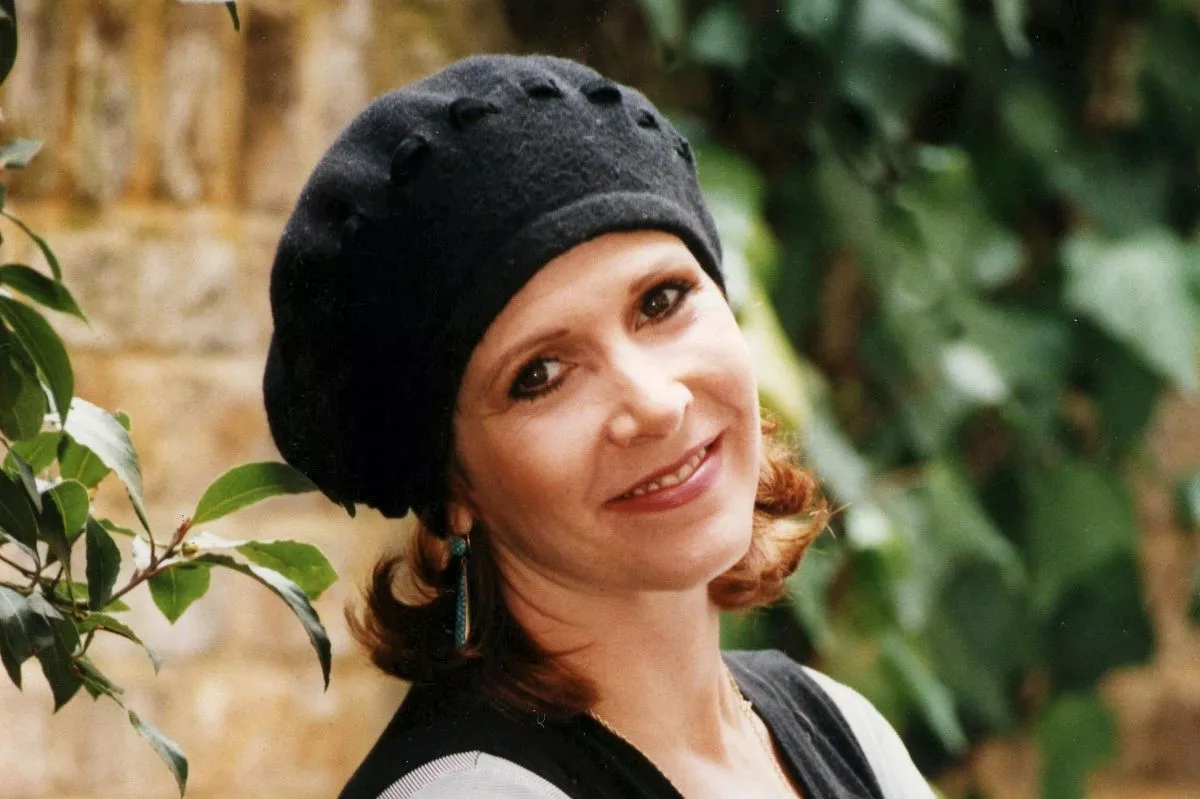
Carrie Fisher, the beloved actress known for her iconic role as Princess Leia in the *Star Wars* franchise, had illegal drugs in her system at the time of her death. Fisher passed away on December 27, 2016, following a cardiac arrest during a flight from London to Los Angeles. She was 60 years old. The official autopsy report, released in June 2017, indicated that Fisher died from sleep apnea, with contributing factors including atherosclerotic heart disease and drug usage.
Tragically, Fisher’s death occurred just one day before her mother, actress Debbie Reynolds, passed away from a stroke at the age of 84. Reports suggest that Reynolds’ final words were, “I want to be with Carrie.”
The details surrounding Fisher’s autopsy revealed troubling insights into her health and lifestyle. Toxicology results indicated the presence of illegal substances, notably cocaine and MDMA, which were likely ingested within 72 hours prior to her cardiac event. Additionally, the report detailed the presence of methadone, alcohol, and various opiates, including morphine. The toxicology analysis raised questions regarding potential heroin use, stating, “there was an exposure to heroin, but the dose and time of exposure cannot be pinpointed.”
Fisher was also prescribed several medications, including Prozac, Abilify, and Lamictal, to manage bipolar disorder. Alarmingly, she was found to have been using oxycodone without a prescription. At the request of her family, the coroner opted for CT scans rather than a full autopsy dissection.
Following the release of the autopsy, Fisher’s daughter, actress Billie Lourd, spoke candidly about her mother’s lifelong battles with mental illness and addiction. In a statement to *People*, she noted, “My mom battled drug addiction and mental illness her entire life. She ultimately died of it.” Lourd emphasized that Fisher was open about her struggles, aiming to reduce the stigma associated with these issues.
Carrie Fisher frequently addressed her experiences with addiction, using humor to shed light on serious topics. She authored the semi-autobiographical novel *Postcards From the Edge*, which tackled her challenges, and wrote a memoir titled *Wishful Drinking*, detailing her experiences with substances like LSD.
In light of the ongoing issues surrounding addiction and mental health, the Substance Abuse and Mental Health Services Administration (SAMHSA) offers a free, confidential 24-hour hotline for those seeking help: 1-800-662-HELP (4357). Support is available in both English and Spanish, underscoring the crucial need for accessible resources in addressing these pervasive challenges.
Carrie Fisher’s legacy continues to resonate, reminding many of the importance of open conversations about mental health and addiction.