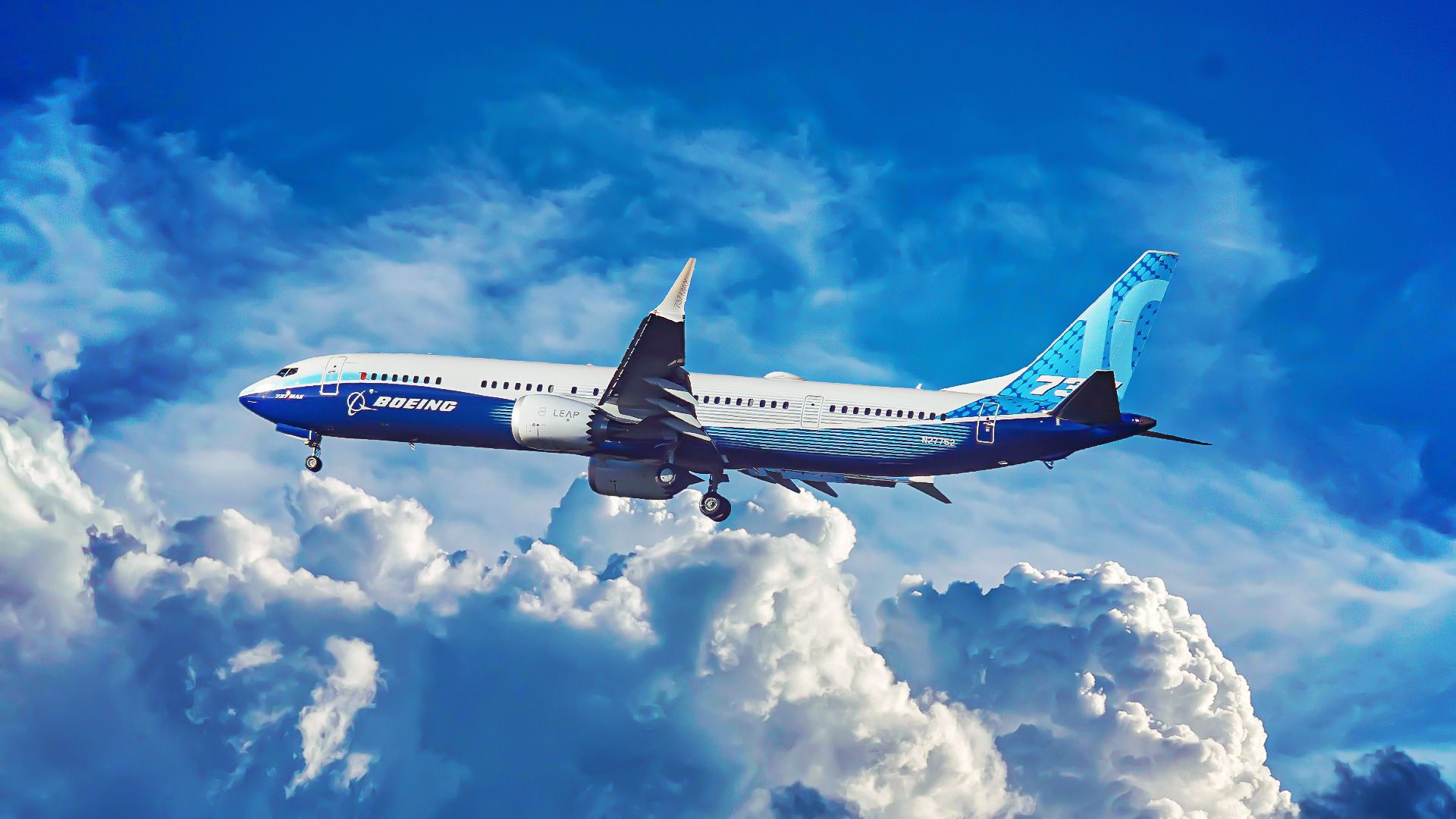
The claim that the Boeing 737 MAX 10 is the world’s most profitable large single-aisle aircraft invites scrutiny. While Boeing positions the MAX 10 as the pinnacle of the 737 family, the aircraft is still awaiting certification and has yet to enter commercial service. The question remains: can it truly deliver unmatched profitability in a landscape where airlines grapple with rising fuel prices, labor costs, and slot limitations?
Profitability in commercial aviation is a complex equation. It hinges on several factors, including aircraft design, certification timelines, route structure, and daily operational deployment. Currently, any assertion of the MAX 10’s superior profitability relies on performance modeling rather than concrete operational data. Until the aircraft is in service and flying routes, its profitability remains theoretical.
Understanding Profitability Claims
At present, Boeing asserts that the 737 MAX 10 will achieve the lowest seat-mile costs among large single-aisle aircraft. However, without operational data, this claim lacks substance. The profitability projections depend on ideal conditions, such as high utilization rates and favorable route structures. In contrast, competitors like the Airbus A321neo have been flying in significant numbers, providing measurable returns across various business models.
Past examples of stretched narrowbody aircraft, including the Boeing 737-900ER and A321ceo, were also marketed as unit-cost leaders. Their actual profitability, however, varied widely based on how airlines utilized them. Published performance figures can often serve more as marketing tools than indicators of real-world operational success.
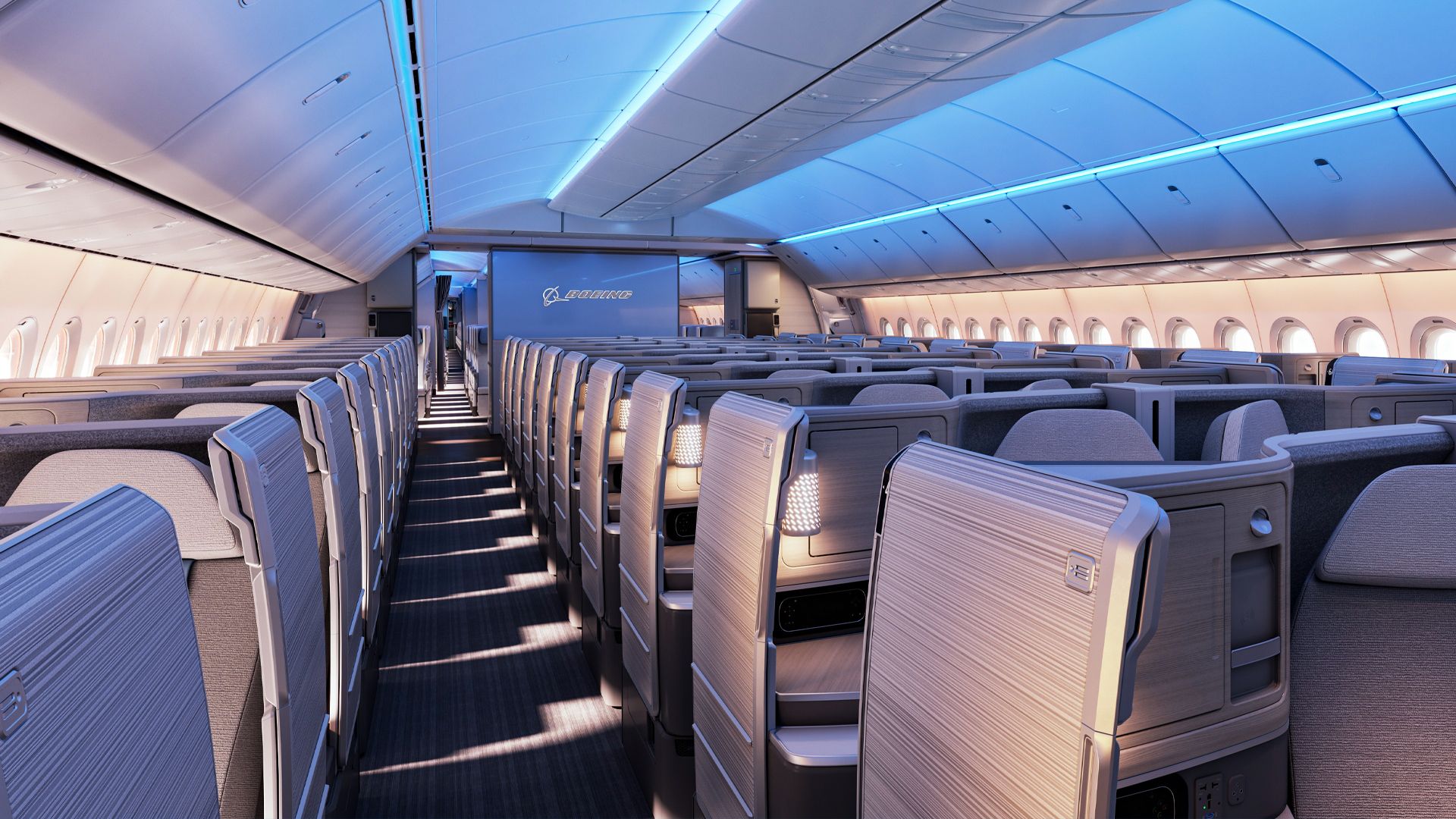
Boeing’s argument for the MAX 10 emphasizes its combination of seating capacity, trip-cost efficiency, and fleet commonality. The aircraft can accommodate approximately 220 to 230 passengers in high-density layouts, spreading fixed costs such as fuel and maintenance over more seats. For airlines already operating the 737 MAX, this commonality reduces training and maintenance complexities, enhancing the economic case for the MAX 10.
Trade-offs and Realities
Despite these advantages, the MAX 10 faces limitations. Compared to the Airbus A321neo family, it offers less range, restricting its ability to serve longer routes or maintain flexibility in payload. This narrower mission profile means its profitability potential is strongest on dense, short- to medium-haul routes rather than across a diverse network structure.
Airlines that have ordered the MAX 10 often frame it as a cost-reduction tool rather than a guaranteed profit machine. United Airlines, for example, highlights the aircraft’s role in lowering unit costs on high-density routes while benefiting from fleet commonality. This cautious language reflects how airlines evaluate new aircraft, focusing on manageable cost improvements rather than absolute profit figures.
Industry analysts echo this cautious optimism. While many agree with Boeing’s cost assumptions, particularly for carriers operating dense networks, they emphasize that certification delays weaken the financial case. Each delay postpones revenue generation and diminishes the competitive edge Boeing aimed to establish.
The certification of the MAX 10 remains the central uncertainty. Regulatory delays have pushed its expected entry into service well beyond initial timelines, forcing airlines to adjust fleet plans or extend the use of older aircraft. For an aircraft to prove profitable, it must arrive in a timely manner to match favorable market conditions.
The most direct competitor, the Airbus A321neo, is already viewed by many as the most profitable large single-aisle aircraft currently in service. Its success is attributed to flexibility, proven performance, and competitive unit costs across a variety of routes. Unlike the MAX 10, the A321neo has demonstrated its economic viability through day-to-day airline operations, reassuring carriers and lessors of its long-term profitability.
The A321neo’s operational track record enables airlines to deploy it across various services, from high-density domestic routes to longer-haul missions. Variants like the A321LR and A321XLR further enhance flexibility and profitability, often outweighing the slightly higher operating costs.
In summary, while the MAX 10 has the potential to lower unit costs and support airlines in high-density markets, profitability will depend on various factors, including residual values and market timing. The prospect of more seats and competitive fares on high-demand routes may benefit passengers if the MAX 10 finds success post-certification.
Ultimately, the MAX 10’s reputation as a potentially profitable aircraft will be determined by real-world performance rather than marketing assertions. If it achieves certification and airlines deploy it effectively, it could earn its place among the most profitable narrowbodies ever built. For now, however, that title remains unproven.