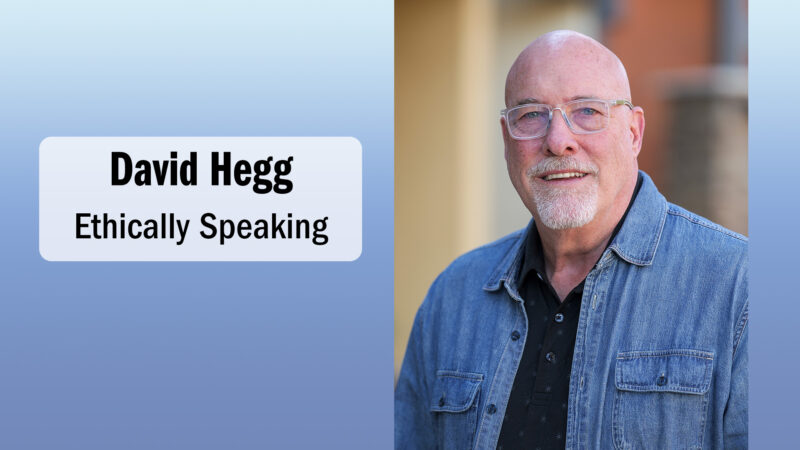
A profound shift in public perception has occurred in the wake of the COVID-19 pandemic, leading to a widespread erosion of trust in institutions and information sources. Many individuals are now questioning the reliability of news, governmental mandates, and scientific guidance. This skepticism, according to local resident and senior pastor of Grace Baptist Church, David Hegg, has significant implications for society.
In a recent opinion piece, Hegg highlighted the decline of trust as a critical issue that emerged during the pandemic. He pointed out that skepticism has transformed citizens into a nation of doubters, particularly regarding the origins of the virus, the effectiveness of masks, and the safety of vaccines. The overwhelming volume of information, often conflicting, has left people craving clarity and certainty in an increasingly complex world.
Trust in Institutions Deteriorates
Hegg asserts that the pandemic has intensified an existing political divide, resulting in a dangerous tendency for individuals to accept only information that aligns with their pre-existing beliefs. He critiques this narrowing of perspective, indicating that many now rely solely on news sources that reinforce their views, neglecting the critical assessment of information.
The differences in coverage between outlets such as Fox News and MSNBC illustrate this divide. Hegg notes that individuals often dismiss opposing viewpoints, leading to a cycle of confirmation bias where facts are filtered through personal ideology rather than objective analysis. He warns that this mentality undermines the ability to engage in rational discourse, as many prefer to accept information that feels comfortable rather than challenging their beliefs.
In an age where information is abundant and readily available, the challenge lies in discerning fact from opinion. Hegg encourages readers to maintain a healthy skepticism by developing critical thinking skills. He emphasizes the importance of evaluating the credibility of sources and the verifiability of facts presented.
Encouraging Constructive Dialogue
As the New Year approaches, Hegg calls for a shift in focus from national issues to local community concerns. He encourages individuals from both sides of the political spectrum to collaborate on nonpartisan matters that can enhance the quality of life in the Santa Clarita Valley. By fostering constructive dialogue, residents can work toward common goals, reinforcing the notion of a united community.
Hegg reminds readers that while it is important to stay informed and engaged in national politics, the impact of local initiatives often resonates more profoundly in daily life. He urges community members to reach out to their elected representatives with well-considered opinions, emphasizing the power of collective action in addressing shared challenges.
In conclusion, Hegg’s reflections serve as a reminder of the importance of trust and critical thinking in an era marked by uncertainty. As society navigates the complexities of information and belief, the hope is that individuals will emerge with a greater capacity for understanding and cooperation. As he aptly puts it, with the right mindset, the year 2026 could bring about much-needed clarity and progress.