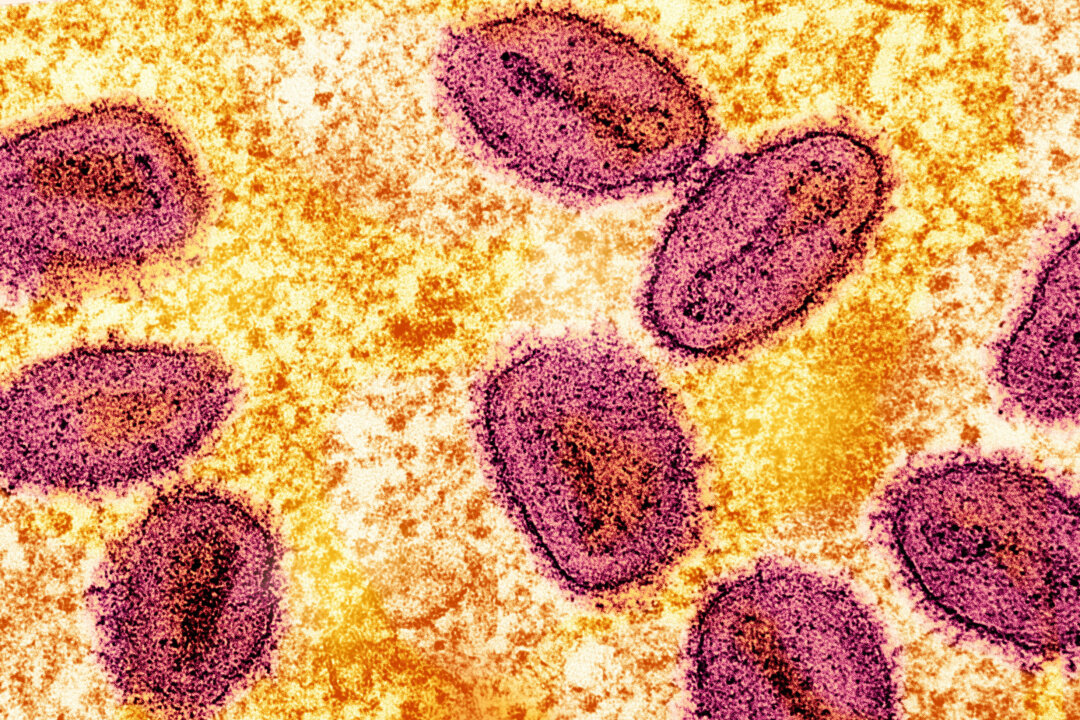
Health officials are raising alarms about the increasing prevalence of a new influenza strain known as subtype K, a variant of influenza A. This subtype has been associated with higher rates of hospitalizations and fatalities compared to other circulating strains. As the 2023-2024 flu season progresses, experts are questioning whether it is still beneficial for individuals to receive a flu shot to combat this emerging variant.
Influenza subtype K has been identified in several regions, including the United States, Australia, and parts of Europe. According to the Centers for Disease Control and Prevention (CDC), this variant poses a significant public health risk, particularly for vulnerable populations such as the elderly, young children, and those with pre-existing health conditions.
Several studies indicate that influenza A subtypes, especially those in the K lineage, have historically resulted in a greater number of hospitalizations and deaths. This trend raises concerns as healthcare systems are already under pressure during the flu season. The World Health Organization (WHO) has emphasized the importance of vaccination as a primary defense against the flu, but many are left wondering if it is too late to obtain protective measures against subtype K.
Flu Shot Efficacy and Timing
The effectiveness of the flu vaccine can vary from season to season, depending on how well it matches the circulating strains. The CDC reports that this year’s vaccine has been tailored to provide coverage against several flu variants, including the K subtype. However, the timing of vaccination plays a crucial role in its efficacy.
Health experts recommend that individuals receive the flu vaccine as soon as it becomes available, ideally before the peak of flu season, which typically occurs between December and February in the northern hemisphere. While it is still possible to receive the vaccine later in the season, it is important to note that the protective effects of the vaccine take approximately two weeks to fully develop. Therefore, individuals who have not yet been vaccinated may still benefit from receiving the shot, particularly as the flu season is expected to extend into early spring.
Public Health Recommendations
Public health officials are urging communities to remain vigilant and encourage flu vaccinations, especially in light of the rise of subtype K. The CDC recommends that everyone aged six months and older receive the flu vaccine annually, as it not only protects the individual but also helps to reduce transmission within communities.
In addition to vaccination, health experts advise practicing good hygiene, such as frequent handwashing, avoiding close contact with sick individuals, and staying home if symptomatic. These measures are essential to mitigate the spread of influenza and protect those at higher risk of severe illness.
As the flu season continues, the emergence of subtype K underscores the importance of vaccination and public health initiatives. With ongoing monitoring and support from health organizations, communities can work together to navigate this challenging flu season and reduce the impact of influenza on public health.