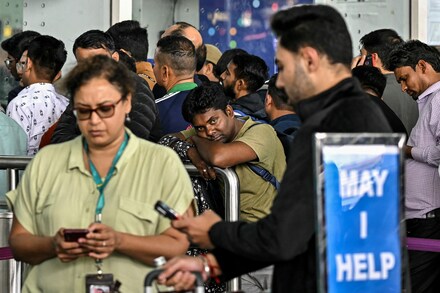
The Indian aviation industry is grappling with significant challenges as pilot fatigue emerges as a critical issue affecting safety and operational efficiency. According to reports, pilots routinely undertake demanding schedules that require multiple short-haul night flights over consecutive nights, leading to increased health concerns and operational risks.
One pilot, who is 40 years old and based in New Delhi, shared her experiences, highlighting the stress of maintaining a rigorous schedule. She often finds herself awake at night, worrying about her health and ability to perform safely. This situation reflects a broader trend within the industry that has raised alarms among aviation authorities and stakeholders.
The Directorate General of Civil Aviation (DGCA), India’s aviation regulatory body, has been under pressure to address these mounting concerns. Data indicates that fatigue-related incidents have been on the rise, prompting calls for reform in pilot scheduling practices. The International Air Transport Association (IATA) has also stressed the importance of addressing fatigue management to ensure the safety of air travel.
Safety Risks Linked to Pilot Workload
The rigorous demands placed on pilots have become a focal point for discussions about aviation safety. Pilots are often required to operate flights that extend into the early hours of the morning, disrupting their natural sleep cycles. Research has shown that inadequate rest can impair cognitive function and reaction times, increasing the likelihood of errors during flight operations.
Recent reports from various airlines have indicated a concerning trend: pilots are frequently flying with insufficient rest. This has led to incidents where pilots have reported feeling excessively fatigued during flights. The implications of this fatigue extend beyond individual well-being; they pose a risk to the safety of passengers and crew members alike.
The DGCA is currently reviewing regulations surrounding pilot work hours and rest requirements. Experts advocate for more stringent guidelines that prioritize pilot health and safety. Implementing these changes could involve reducing the number of consecutive night flights and ensuring pilots have adequate downtime.
Industry Response and Future Outlook
In response to the growing crisis, several airlines are beginning to reassess their scheduling practices. Airlines are exploring ways to enhance pilot welfare while maintaining operational efficiency. Some carriers are investing in fatigue risk management systems to better monitor pilot workload and rest periods.
Despite these efforts, the industry faces an uphill battle. The demand for air travel in India continues to surge, with passenger numbers expected to reach record highs in the coming years. As the aviation sector grows, the challenge of ensuring pilot well-being will become increasingly complex.
The Indian aviation industry is at a critical juncture. Addressing the pilot fatigue crisis is not only essential for safeguarding the health of pilots but also for maintaining the safety and reliability of air travel in the country. As discussions continue, stakeholders must work collaboratively to implement effective solutions that prioritize the well-being of all those involved in aviation.